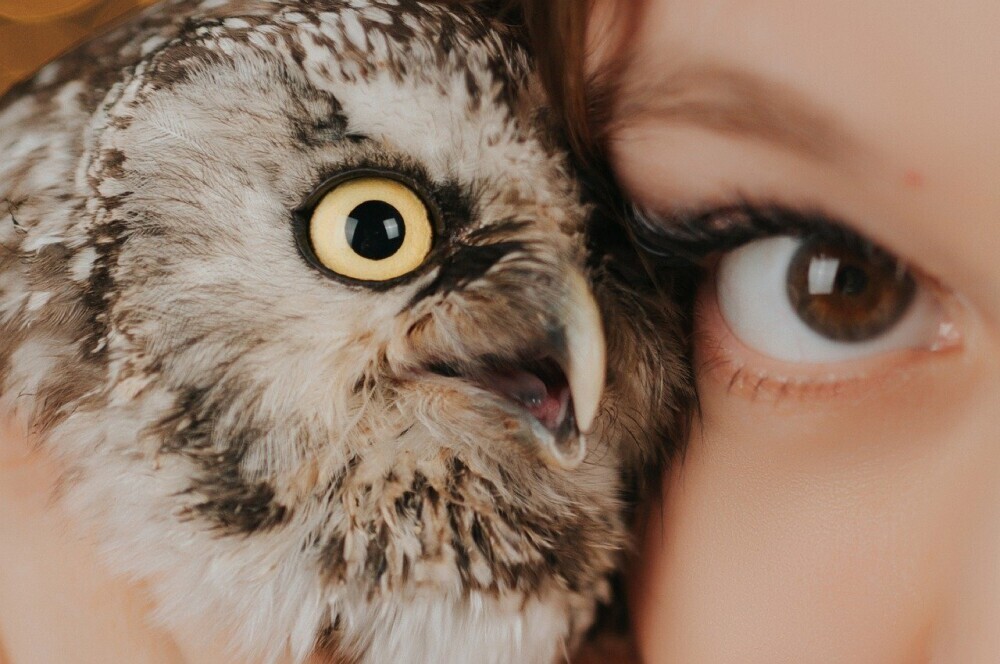
Tag: symbols

  • How To Discuss Spiritual Dreams With Your Child

    How To Discuss Spiritual Dreams With Your Child

    Dreams. They’re like this incredible playground of the mind where anything can happen. For kids, dreams can be magical, spooky, or downright confusing. But why do they matter? They play a significant role in how kids make sense of the world.

    When discussing spiritual dreams, we’re diving into a space where the every day and the mystical intersect. This is where meanings entwine and can illuminate things that a child might not easily express in waking life.

    Talking about dreams can be a bridge—uniquely connecting you and your child. It’s a chance to step into their inner world, see life through their eyes, and explore what might be more than just a nighttime adventure. So prepare to embark on this charming path where you and your child can discover and grow together.

    Understanding Children’s Dreams

    Understanding Children's DreamsChildren have a variety of dreams, and not all dreams are the same. To help your child feel more secure in discussing their dreams, it’s helpful to understand the different types of dreams they may experience.

    Normal dreams are often a reflection of daily life.

    They might include elements from a movie your child watched, a game they played, or recent conversations. These dreams are random yet tied to their everyday experiences.

    Then, there are recurring dreams.

    These usually involve a similar storyline or setting that repeats over time. They can sometimes indicate a concern or fear that your child hasn’t fully processed. Discussing these can help them work through whatever’s on their mind.

    And let’s not forget spiritual dreams.

    These might carry more weight for your child, intertwining the magical with the mysterious. Often filled with symbolic elements, they can be an area where deeper feelings or intuitive understandings appear.

    Imagination is a wild beast in the dream world. It’s even more vivid for kids because their creative minds are less bound by logic. Dreams often reflect this unhindered imagination, filled with fantastic elements that shouldn’t always be taken at face value. Exploring these themes can help you learn more about what fuels your child’s imagination and emotional world.

    Why Spiritual Dreams Matter

    Why Spiritual Dreams MatterSpiritual dreams hold a special place in the mystical realm of nighttime adventures. These dreams often resonate deeply with kids, carrying messages that might not be overtly apparent.

    So, what exactly are spiritual dreams? Think of them as dreams that go beyond the ordinary. They might reveal something about a child’s emotional life or personal growth. For example, encountering a wise figure or experiencing peace in their dream could indicate innermost feelings or desires looking for expression.

    When accepted, these dreams can guide a child towards self-discovery and emotional intelligence, helping them process their experiences in a way that their awake life may not.

    By encouraging conversations about these dreams, you’re nurturing their spiritual growth and strengthening their ability to make sense of their inner world. It’s an opportunity to help them realize that these dreams might be whispers of wisdom steering them in daily life.

    Creating a Safe Environment for Dream Discussions
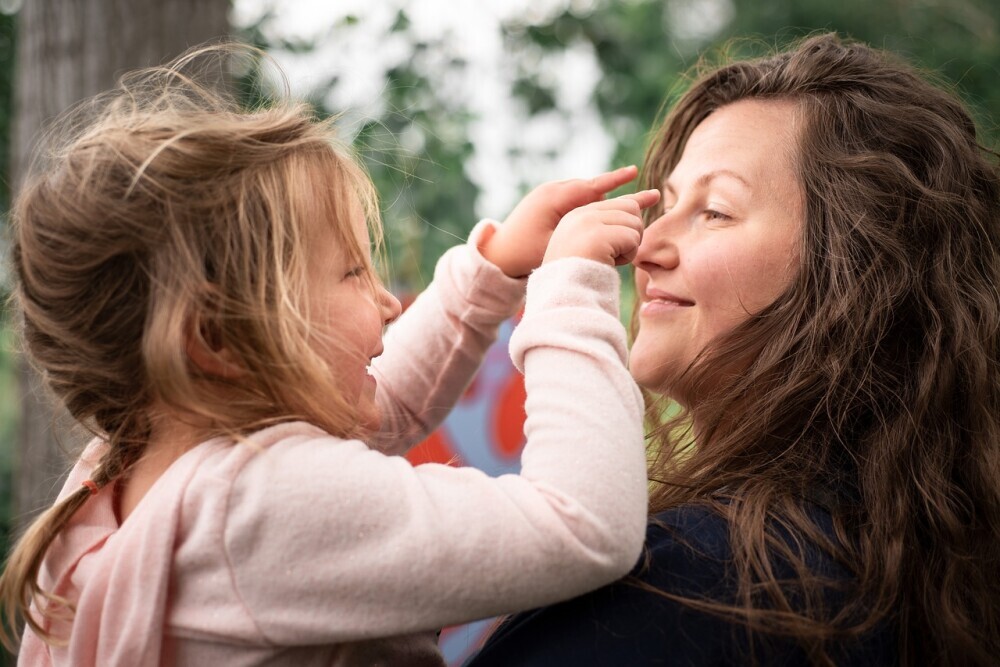
    Creating a Safe Environment for Dream Discussions

    It is crucial to create a space where your child feels comfortable enough to chat about their dreams. Kids need to know they won’t be laughed at or dismissed, no matter how wild or strange their dream stories may be. Letting them know you’re genuinely interested and available is a good place to start.

    One key factor is honesty—showing empathy when they share and validating their feelings. Remember that emotions shouldn’t be dismissed even if the dream seems outlandish. Instead, gently explore what the dream might mean to them.

    Building a fortress of trust is a must. Keeping reactions non-judgmental and open allows your child to navigate their dream world freely. This means setting aside time for these conversations making it known that this is as important as any other topic you discuss.

    Sometimes, it’s not easy for kids to find the words. Encourage them by asking open-ended questions or reflecting on the parts of the dream that seem to stand out emotionally. Reinforce that what they share is important and worth discussing, regardless of content.

    Listening: The Key to Understanding

    Listening: The Key to UnderstandingBeing a good listener isn’t just about hearing the words; it’s about tuning into your child’s words. Engaging with their dreams requires you to be present and focused on them.

    Offer your undivided attention.

    Put away distractions like phones or the TV. Your child will notice and appreciate your effort to fully engage with them, reinforcing that their thoughts and dreams are important.

    Ask gentle, open-ended questions to guide the conversation gently.

    For instance, ‘What part of the dream felt most important to you?’ Let them lead the exploration of their dream worlds, only nudging when necessary.

    Silence is powerful, too.

    Sometimes, being there without interrupting as they reflect on their dream is all that’s needed. Giving them the room to find the right words can be as valuable as anything you might say.

    Active listening also involves affirming their experiences.

    Simple acknowledgments like nods, repeating back key points, or empathetic comments show you’re genuinely engaged. This makes it easier for them to open up and share everything on their mind.

    Decoding Symbols and Themes
    Decoding Symbols and ThemesDreams often speak a curious language of symbols and patterns that can be a puzzle. For kids, this could be anything from a cat that talks to a rainbow leading somewhere unexpected. Exploring these elements with them can be both enlightening and entertaining.

    Discuss common symbols.

    Animals, for example, often pop up in dreams and can represent various emotions or traits. Encourage your child to describe what these symbols mean to them personally.

    Identifying themes or recurring elements is another key part of understanding dreams. These are certain feelings, settings, or characters that appear frequently. By connecting these dots, your child can begin to see patterns, helping them make sense of what their subconscious is trying to say.

    Invite your child to draw or write about their dreams.

    Sometimes, putting these dreams into another form helps in processing them. It also offers an opportunity for further conversation and exploration together.

    Remember, the aim isn’t to provide definitive interpretations but to guide your child in finding the personal meanings behind dream symbols and themes. By doing so, you’re fostering their intuition and self-awareness.

    Exploring Personal and Cultural Significance
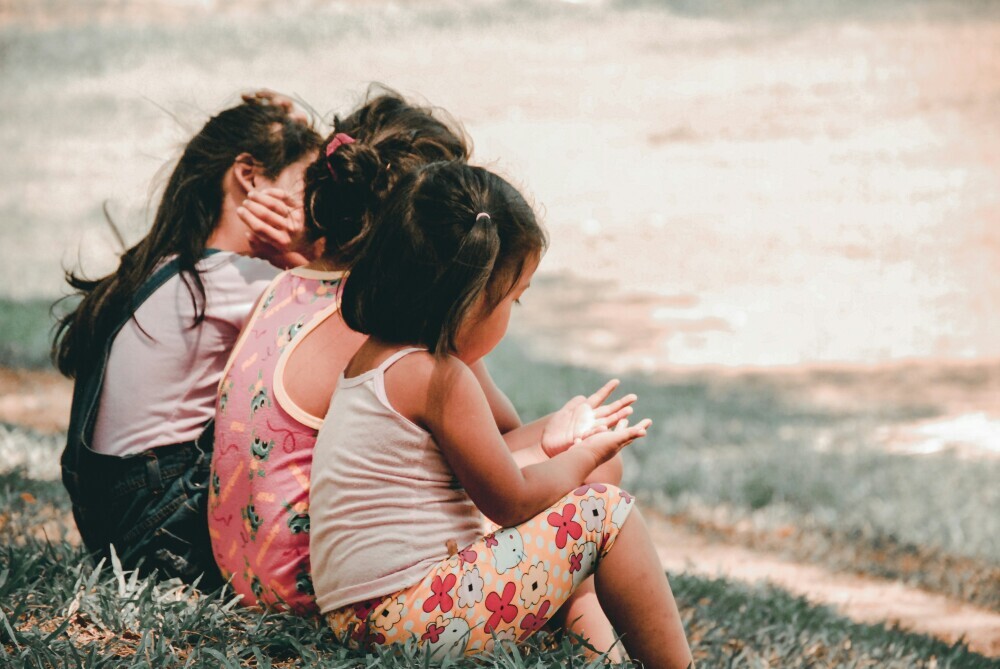
    Dreams often intertwine with personal beliefs and cultural narratives, providing an opportunity to deepen conversations with your child. Encourage them to connect elements of their dreams with what they know or believe.

    Introducing your child to various cultural stories or traditions related to dreams can enrich their understanding. Sharing tales from diverse cultures highlighting dream themes can provide fresh perspectives and increase global awareness.

    Explore how certain dream elements may resonate with your child’s experiences or family traditions. Recognizing these connections can empower them to view dreams as a bridge between their internal world and daily life.

    Unlocking cultural significance doesn’t mean you need to have all the answers. Sometimes, it’s enough to engage in honest discussions, sharing curiosities or uncertainties. This way, you and your child learn more about the world around them.

    Teaching Emotional Reflection Through Dreams

    Teaching Emotional Reflection Through DreamsDreams are a fantastic tool for kids to tap into their emotions. When children connect what they dream about with their waking feelings, they explore those buried bits that might not otherwise be revealed.

    Guide your child in understanding how emotions in dreams can mirror their real-life feelings. If a dream made them scared or jubilant, try relating these feelings to recent experiences or events. This connection teaches them to reflect on emotions thoughtfully.

    Inspire them to view dreams as a safe place to work through emotions. This can be empowering, especially if they’re navigating stress or anxiety. Helping them identify emotions tied to dream scenarios allows them to practice emotional intelligence, learning to process what they’re experiencing.

    Incorporating dreams into these emotional lessons supports your child’s emotional growth and equips them with coping strategies for life’s inevitable challenges. This way, dreams become more than occasional nighttime stories—they’re gateways to understanding and managing emotions effectively.

    Encouraging Exploration and Growth
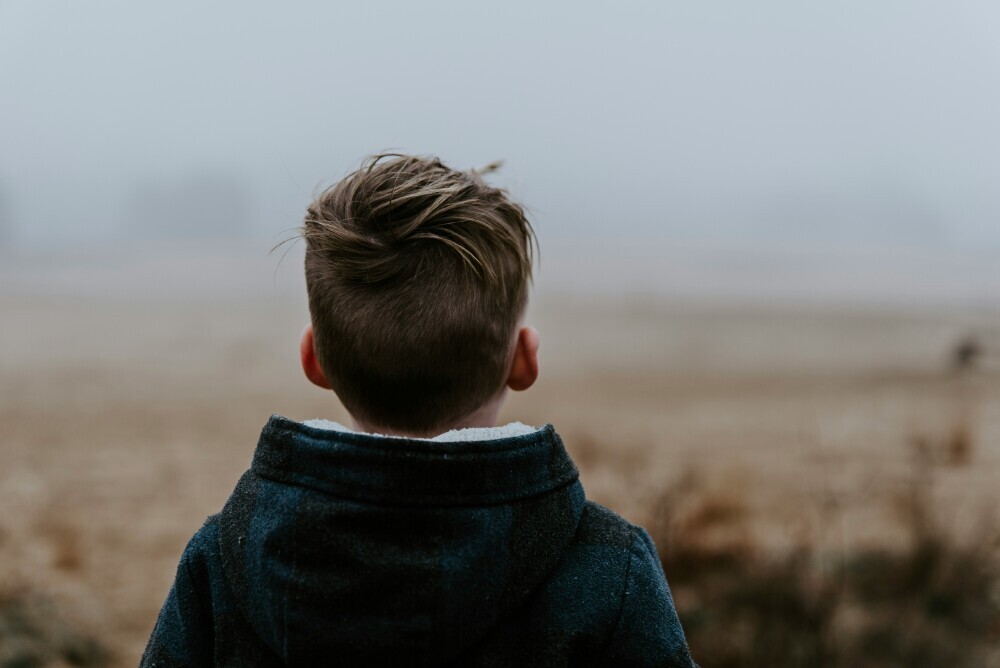
    Encouraging Exploration and GrowthDream journaling can be a fun, creative activity for kids. Encourage them to note their dream adventures as soon as they wake up. Keeping a dream journal captures fleeting details and enhances self-discovery and personal growth.

    Supportive conversations about dreams can fuel a child’s curiosity and lead to broader interests. Whether learning about dream science or exploring spiritual traditions, a whole world of knowledge is waiting to be discovered.

    You nurture their spiritual development by helping your child find links between their dreams and personal experiences. This is a chance for them to explore who they are, what they care about, and how their mind works.

    Centering dreams in daily life builds a foundation for a lifelong interest in self-exploration and understanding. Through dreams, you’re opening doors to endless opportunities for learning and wonder.

    Your role is about guiding, not dictating. Be there to offer insights and share your curiosities, allowing them to lead their exploration. This approach plants the seeds for continuous growth and a healthy, open mindset.
  • Unveiling The Mystical Powers: What Owls Mean Spiritually 🦉

    Unveiling The Mystical Powers: What Owls Mean Spiritually 🦉

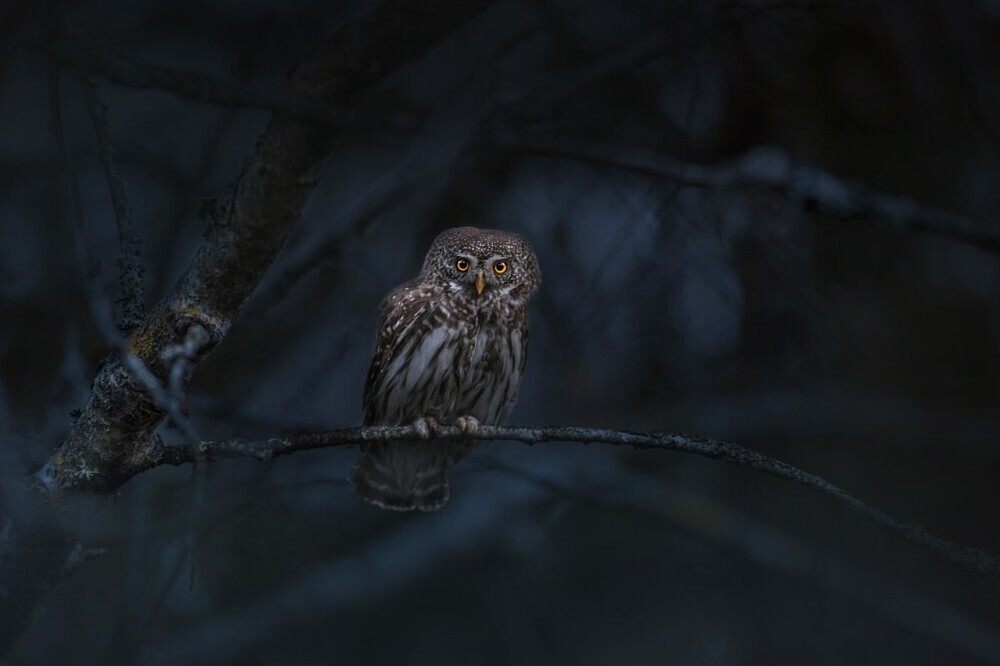
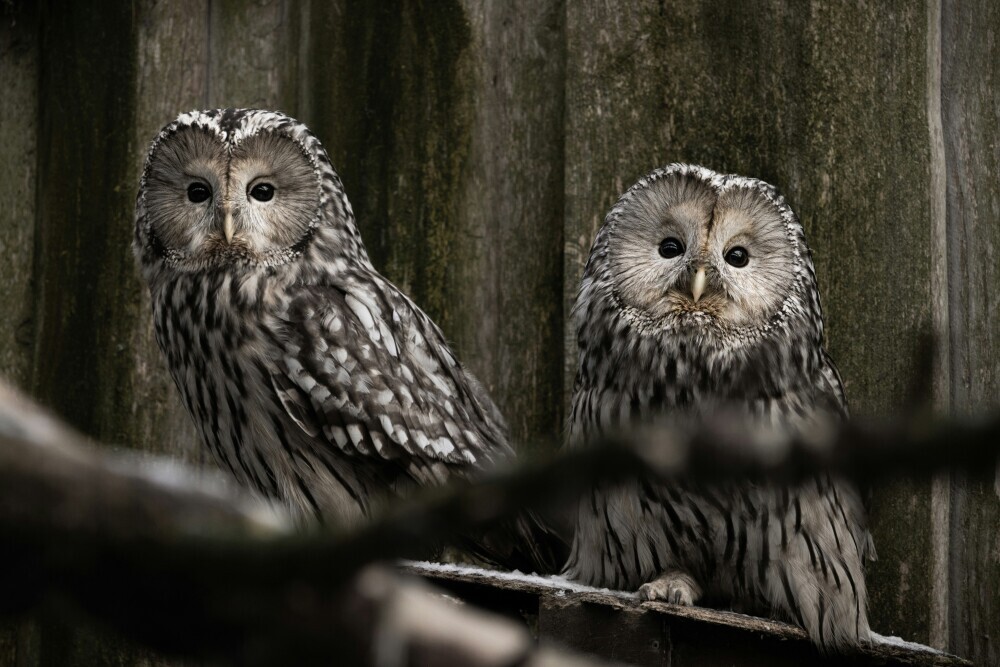
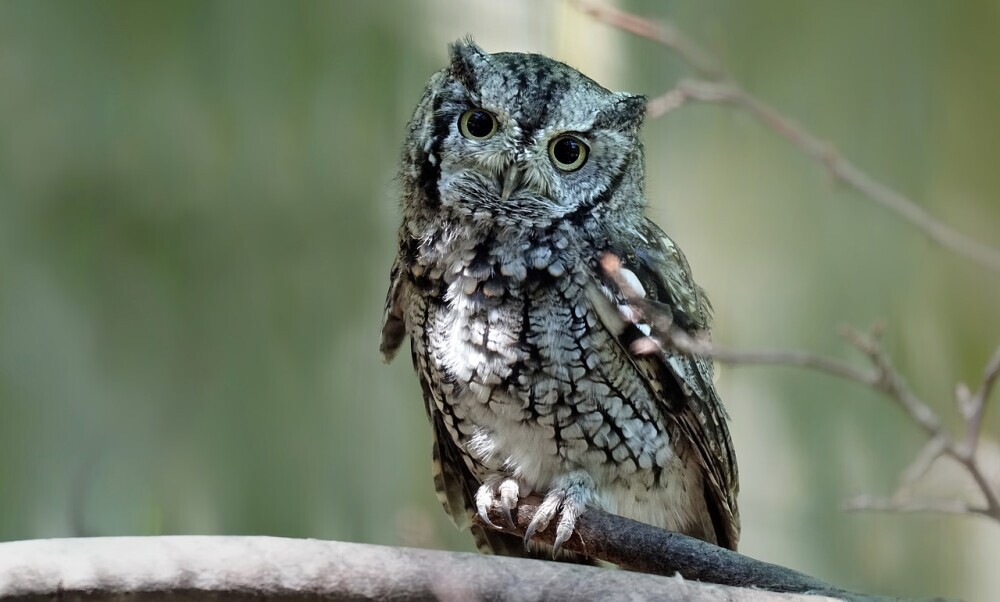
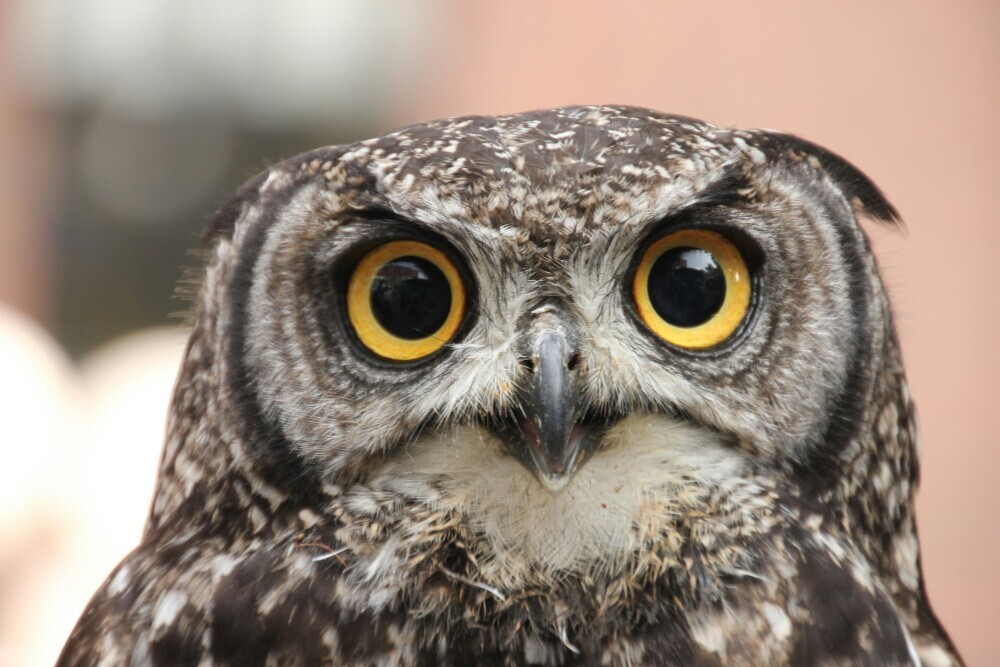
    Owls have this super cool reputation for being mysterious and wise, right? In the spiritual world, they’re like these symbols packed with deep meaning, and they’re not just popping up randomly in dreams or myths without a reason.

    Loads of cultures worldwide see owls like these wise old guardians. In ancient Greece, the owl symbolized Athena, the goddess of wisdom. That’s just one example, but other cultures see them as messengers or protectors.

    Now, owls show up quite often if you look at mythology and folklore. Usually, they’re tied to the unknown or even the afterlife. Some stories even have them guiding souls or as a bridge between the world we know and the one beyond.

    So, exploring the spiritual significance of owls is about digging into these stories and understanding what these birds have symbolized throughout history. And it’s not just about ancient texts—it’s also about looking inside and seeing what an owl might mean to you.

    Let’s face it: owls can strike a chord with people. When you think of or see an owl, that feeling you get can say a lot about where you are in life or what you’re going through. They invite us to be curious and trust our wisdom, perhaps even guiding us to new insights and perspectives.

    Peeking Through Darkness: The Symbolism of Owls in Dreams

    Peeking Through Darkness: The Symbolism of Owls in DreamsDreaming about owls can feel fascinating. They often show up when we’re navigating changes or searching for understanding. Owls in dreams might point toward knowledge and a sharper intuition. It’s like your subconscious encourages you to trust your gut feelings more.

    Seeing an owl in your dreams can suggest that you’re on the cusp of learning something new, maybe about yourself or your surroundings. It’s often a nudge to look within, trust your insights, and be open to wisdom from unexpected places. Consider how the dream coincides with your current life situation. Are you facing challenges or decisions? The owl might be hinting at solutions or new beginnings.

    Beyond simply interpreting owls as symbols of knowledge, consider the nuances. For instance, the behavior or color of the owl in the dream could add layers of meaning. A calm owl might suggest you’re comfortable with what’s ahead, while an agitated one might mean there’s something unresolved.

    Personal growth is another big theme. Owls appearing in dreams could be tied to an evolving understanding of life’s complexities. This isn’t necessarily a bad thing; it can be empowering to recognize you’re evolving.

    Viewing an owl in your dreams can be a call to action. It’s like a signal to pause, reflect, and perhaps rethink your approach or path. Whether chasing new dreams, tackling old issues, or just looking at the world with a fresh perspective, these avian guides could point you in a direction you didn’t realize you needed to explore.

    When Silence Speaks: Owls and the Sounds of the Night

    When Silence Speaks: Owls and the Sounds of the NightOwls at night can feel equal parts eerie and magical. Something about their calls seems to pierce through the stillness, right? Those sounds can stir up deep feelings or even signal changes in the air.

    Each call from an owl often symbolizes different aspects of life. For many, the hoot of an owl represents the unknown or a journey into the subconscious. This could mean it’s time to pay attention to what’s not being said in your waking life. There may be a message or insight you’ve been ignoring.

    Think about how these calls make you feel. Do they stir excitement or unease? Owls are known for their silent flight and haunting calls, so maybe there’s a lesson about the power of introspection versus expression.

    For those who find owl calls unsettling, it might be fear of the unseen. This is a chance for self-reflection, like figuring out what’s beneath that fear. Digging into what the calls trigger emotionally can unlock parts of your psyche that need attention.

    Owls also symbolize the shift between the worlds of knowns and unknowns. Their presence at night signifies transition — whether it’s personal growth, shifting perspectives, or moving through life stages. Embracing these transitions can lead to incredible personal insights or breakthroughs.

    So, consider it a little nudge the next time you hear an owl’s call. It might be time to pause, think about your life’s heading, and listen. You might discover something about yourself you hadn’t realized was just beyond the silence.

    Owls in Various Life Scenarios: Finding Personal Meaning

    Owls in Various Life Scenarios: Finding Personal MeaningOwls pop up in our lives in strange ways, and sometimes, trying to figure out what that means can be like solving a puzzle. Different scenarios whisper different meanings, so it’s worth paying attention to the context.

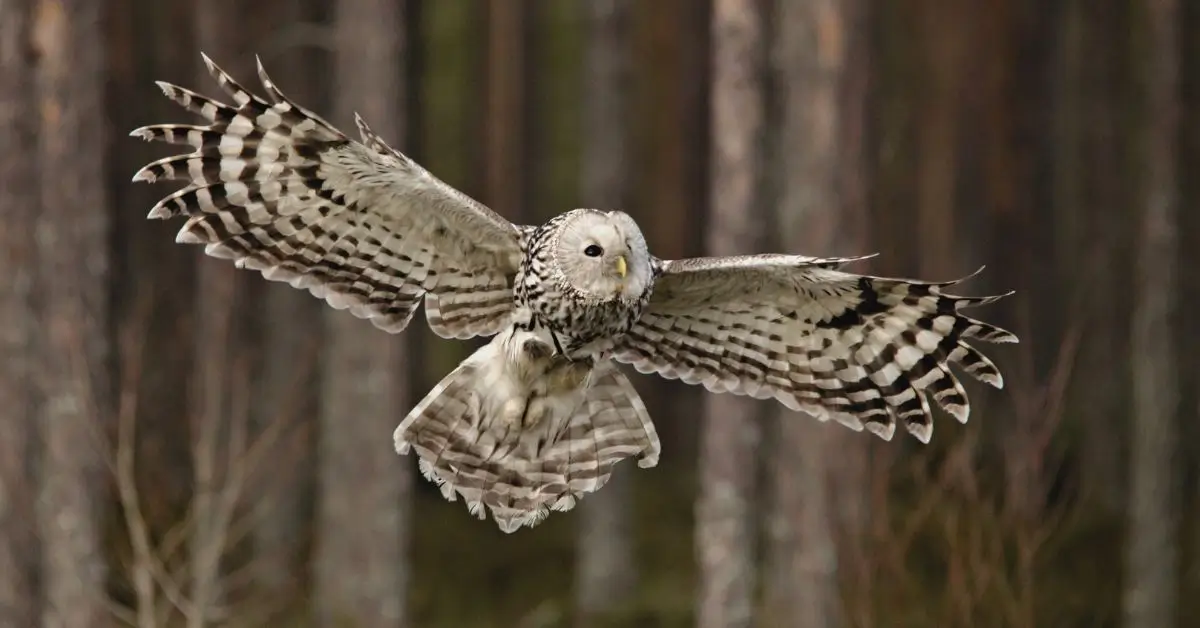
    Imagine dreaming of a soaring owl. You could be feeling a tug toward freedom or exploring new horizons. This encounter might point to a journey within, where you’re ready to embrace new perspectives or let go of what’s weighing you down.

    Now, if you dream or see an owl chilling in one spot, you may be called to find some balance. It could hint at staying grounded even when everything around you seems chaotic. In such moments, the owl encourages patience and reflection, a signal to pause and regroup.

    Then there’s the edgy dream where an owl is hunting prey. This scenario might bring up themes of survival and confronting fears head-on. It may urge you to tackle issues lurking in the background and trust your instincts when facing them.

    Ultimately, each owl sighting, whether in dreams or real life, can be layered with personal meaning. Your current life situation, feelings, and thoughts largely dictate how you interpret these encounters. Sometimes, it’s about deep introspection; other times, it’s a straightforward lesson in survival and courage. Whatever it is, there’s always a thread to follow that could lead to genuine self-discovery.

    So, when you have an owl moment, think about the vibe or energy it brings. It could unlock parts of your life that need attention or jumpstart a path to personal growth.

    From Birth to Rebirth: Owls as Symbols of Transformation

    From Birth to Rebirth: Owls as Symbols of TransformationOwls carry a strong vibe of transformation and renewal, connecting with themes of birth and rebirth. They often signal the end of one chapter and the start of something fresh, emphasizing their role as spirit animals for those navigating through life’s turning points.

    These feathered guides aren’t just about profound changes; they’re about understanding the cycles we go through. Owls remind us how endings can sometimes be the best beginnings—shedding old habits, beliefs, or even relationships to make space for new experiences.

    Consider what an owl appearing to you might imply about the transformation process. It could be about growth in personal life, like moving from fear to confidence or letting go of past pain to embrace healing.

    Embrace this symbolism by being open to shifts in perspective. Change isn’t easy, but the owl’s presence reminds us that growth happens when we allow transformation. Lean into the discomfort of change and trust the process.

    The journey of rebirth can often be about introspecting and understanding more profound aspects of yourself. Owls teach silent observation and reflective thinking, which are key during any transformative phase.

    Every moment of transformation is a chance to evolve and align more closely with your true self. Whenever an owl crosses your path, it’s like a nudge to embrace those parts of you that are due for renewal. Let their wisdom guide you in understanding that every ending opens the door to a new start.

    A Guiding Light: Owls as Messengers and Guides

    Owls often pop up as spirit guides, bringing messages from realms we might not typically access while awake. They can be a beacon when navigating life’s complexities and figuring out paths forward.

    In the world of spirit animals, an owl’s guidance might hint at tuning into your intuition more deeply or being open to insights that come unexpectedly. Imagine it as a boost, urging you to trust that gut feeling or go ahead with that decision you’ve been contemplating.

    Sometimes, owls appear when we’re stuck between worlds—the known and the unknown. They act like bridges, helping us tap into our subconscious. If you’re weighing options or straddling two worlds—work-life balance or personal crossroads—the owl could nudge you toward clarity.

    It’s not just about listening to what’s silent; it’s also about heeding messages from unexpected places. An owl’s appearance, whether in dreams or reality, suggests looking for signs and meaning that might be out of immediate sight. Consider journaling your thoughts when you feel an owl has brought insight. Often, writing helps bring abstract feelings into the light.

    Owls also remind us that guidance only sometimes comes with loud announcements. Sometimes, it’s the quietest among us who hold the deepest wisdom. Use time with your owl encounters to reflect quietly, seeking truths that whisper rather than shout.

    Next time you feel life’s compass spinning, consider an owl’s guidance as a spiritual nudge and a grounding force. Let their silent wisdom help illuminate the path that aligns with your truth.

    Unexpected Encounters: Owls and Synchronicities

    A Guiding Light: Owls as Messengers and GuidesEver notice how owls sometimes show up at the oddest moments? It’s like the universe is sending you a wink, right? These unexpected encounters often carry deeper meanings than we might first realize.

    Running into an owl might feel like a coincidence, but what if it’s more than that? These incidents can reflect synchronicities, those moments where things connect in ways that seem too perfect to be mere chance. Paying attention to these signs can enrich our understanding of our path.

    Deciphering these unexpected appearances involves looking at your life when they occur. Ask yourself what themes are prevalent at that moment. Is there something you’ve been pondering or a decision you’ve been avoiding? The owl could be nature’s way of giving you a gentle nudge.

    It’s all about tuning into what these encounters might be telling you. Consider if patterns are repeating or if the owl is showing up along with other signs. This is the universe’s quirky language; sometimes, it’s trying to tell you to stay aware and open to possibilities.

    Owls invite reflection on the links between our thoughts and the universe. Are you on the right path? Could it be time to shift direction? Trust your instincts when interpreting what these rendezvous mean. Was there a specific moment or feeling connected to seeing the owl?

    Every owl sighting speaks to the seamless connection between factors in our lives, even those we can’t see outright. By reflecting on these synchronicities, we can uncover messages that guide us toward self-discovery and personal growth. Next time you see an owl unexpectedly, give yourself space to reflect on what the universe might hint at.

    Owls Across Cultures: A Global Perspective

    Owls have this incredible knack for capturing imaginations worldwide, standing as potent symbols across various cultures. From Native American beliefs to Asian philosophies, these nocturnal creatures hold universal allure, bridging diverse cultural narratives.

    In many Indigenous cultures across North America, owls are seen as wise messengers of the night. They’re respected for their connection to the spirit world, often appearing as guides or protectors in stories. When an owl is sighted, it’s sometimes considered a harbinger of important news or a significant shift on the horizon.

    Turning to Eastern traditions, owls often carry themes of mysticism and intuition. In Japan, for example, they are seen as symbols of good luck and protection against suffering. This starkly contrasts Western superstitions, where they can sometimes signal ominous events or foretell challenges.

    In Africa, some communities view owls with a mystical lens, attributing them to the presence of ancestors or spirits. They might be seen as portals to other realms, echoing the theme of transition and unseen wisdom recognized in many different parts of the world.

    Even within European folklore, owls have worn many hats. From being the wise companions of ancient scholars to symbols of death and the afterlife, they straddle wisdom and mystery with their silent flight and watchful gaze.

    Understanding these global perspectives enriches our appreciation of owls and invites reflection on our beliefs and experiences.

    Reflect on how these cultural interpretations resonate with your encounters and dreams of owls. You might uncover deeper personal insights by exploring the diverse views and experiences that echo through owl symbolism worldwide.

    Finding Your Narrative: Personalizing the Spiritual Meaning of Owls

    Finding Your Narrative: Personalizing the Spiritual Meaning of Owls

    Owls weave a tapestry of symbolism that threads through dreams, cultures, and personal experiences. It’s unique to each person, and what’s super important is discovering what these encounters mean to you.

    Think about what goes on in your life when you dream about owls or see them. They might be linked with changes you’re going through, reflecting your inner wisdom or serving as guides during tricky times. Personal experience is key here, and intuition often knows best.

    Start by jotting down what you feel each time an owl appears in your dream or world. These nuances are personal clues, be it their calmness or haunting call. It can help draw a clearer picture of what the owl symbolizes in your journey.

    Dive into reflection and let your historical and cultural findings inform your understanding. Does one particular cultural interpretation resonate more closely with your experiences? It could be more about freedom, wisdom, or transformation.

    By reflecting on these observations, you create a personal narrative with owls. This journey is about trusting yourself, acknowledging how these spiritual connections guide you, and allowing them to grow with you.

    They speak to the heart of individuality; their meanings are as diverse as those who encounter them. Trust what they mean to you; this personalized interpretation will be the most profound guide.