Tag: animals

  • Dreams About Alligators

    Dreams About Alligators

    Dreams about alligators can be puzzling and thought-provoking. There is often an underlying message waiting to surface from these dreams. Many times these dreams are interpreted as our mind communicating hidden threats, suppressed emotions, and internal fears. They may also show our natural survival instincts and the need to guard ourselves in uncomfortable situations.

    Dreams About Alligators

    Understanding the Symbolism of Alligators in Dreams

    Many interpretations of alligator dreams stem from the animal’s nature. Alligators, with their stealthy behavior and powerful jaws, often symbolize danger or an imminent threat that lurks beneath the surface. If you have dreamt about these creatures, it might hint at unresolved issues or emotions that you may not be fully aware of during your waking moments.

    It is common for interpretations to suggest that these dreams point toward elements of your personality or past experiences that you may be ignoring. You might be handling these feelings subconsciously, and the alligator in your dream acts as a reminder to confront these challenges head on.

    Sometimes, the alligator is seen as a guardian of a hidden treasure. This hidden treasure can represent valuable insights concealed within your subconscious. Recognizing these aspects may lead to important personal growth if you choose to understand and address them more openly.

    Common Themes in Alligator Dreams

    When people report dreams involving alligators, several common themes tend to appear. One prevalent theme is the idea of hidden threats. Here are a few themes that are often mentioned:

    • Suppressed Emotions: These dreams might indicate that emotions like anger or jealousy are not being expressed openly, and they might be building up beneath the surface.
    • Internal Fears: An alligator in a dream can be a representation of personal fears. It could relate to fear of failure, betrayal, or even insecurity about recent changes in your life.
    • Survival Instincts: These dreams can evoke a sense of personal alertness. The presence of an alligator suggests you may be readying yourself to deal with an impending challenge.
    • Transformation and Renewal: Some people reinterpret the dream as a signal for transformation. The process of overcoming these internal challenges can lead to personal growth and renewed strength.

    Dreams are deeply personal, so these themes might resonate differently with each individual. Understanding your own context and feelings is central to unpacking the significance of the imagery.

    Psychological Insights and Dream Theories

    Many psychologists view dreams as a window into our subconscious minds. Dreams about alligators can be seen as the brain’s way of visualizing aspects of our internal world that are hard to express when we are awake. This perspective is rooted in the belief that dreams help us process emotions and experiences.

    Freudian theories often argue that aggressive animals in dreams symbolize strong, repressed desires or fears. According to this viewpoint, the alligator could present a form of energy that you have suppressed due to social expectations or personal doubts. In contrast, some other dream analysis frameworks suggest that alligators are symbols of protection. In this scenario, the creature represents your inner ability to ward off negativity and avoid harm.

    The differences in these interpretations remind us that there is no single correct explanation for a dream. The meaning often depends on your life experiences, current mental state, and even cultural background. By paying attention to your feelings both during the dream and upon waking, you can gain valuable insights into your emotional landscape.

    Steps to Decode Your Alligator Dreams

    Since dreams about alligators are layered with symbolism, reflecting on them can be a practical way of understanding yourself better. Here are some steps to consider when analyzing these dreams:

    1. Reflect on the Dream: Write down everything you remember as soon as you wake up. Details like the setting, the behavior of the alligator, and your own emotions during the dream can be very telling.
    2. Identify Emotions: Focus on the feelings the dream evoked. Were you scared, empowered, or confused? Recognizing these emotions can help uncover what the alligator might represent.
    3. Connect to Waking Life: Think about whether the themes of danger, fear, or hidden threats appear in your day-to-day life. This might give you clues about which areas you need to pay closer attention to.
    4. Consider Personal History: Reflect on any past experiences that might be linked to these feelings. Sometimes unresolved memories or issues come bubbling up in such dreams.
    5. Seek Different Perspectives: Talking to a friend or even a professional can offer fresh insights into dream symbols. Sometimes, an outside perspective can clarify otherwise puzzling messages from your subconscious.

    These steps can serve as a helpful guide as you work through the symbolism within your dream, turning fleeting images into meaningful insights that can give a boost to your self-awareness.

    Jumping Deeper with Sub-Symbols: A Closer Look

    Alligator dreams often hide further layers of meaning in sub-symbolic elements. It is worth paying attention to details such as the location of the alligator, its behavior, or even its physical appearance in the dream. Different aspects can switch up the interpretation in subtle ways:

    The Setting of the Dream

    If the alligator appears in murky waters, it might represent confusion or obscured feelings. In contrast, an alligator in clear water could indicate that you are beginning to understand a complicated emotion or situation more clearly.

    Alligator Behavior

    An aggressive stance or sudden attack may point to repressed anger or a situation in your life that is rapidly escalating. If the creature appears calm or is simply lounging, it might show that you are maintaining control over your emotions, even in the face of external pressures.

    The Role You Play

    Your position in the dream matters as well. If you are actively engaging with the alligator—perhaps by trying to escape or confront it—this could denote your readiness to face difficult issues. On the other hand, merely observing the creature might suggest that you are in a reflective state, carefully assessing challenges from a distance.

    By jumping deeper into these sub-symbols, you can start to see a fuller picture of what your subconscious is trying to tell you. The more details you pick up on, the clearer the underlying message becomes.

    Practical Tips for Benefiting from Your Dream Insights

    Transforming dream insights into practical benefits requires effort and mindfulness. Here are some suggestions to help you make the most of what you learn:

    • Keep a Dream Journal: Recording your dreams can help you notice recurring themes or emotions over time. Over weeks or months, you might see patterns that guide you toward inner resolution.
    • Practice Mindfulness: Engage in mindfulness exercises that help keep you present and aware of your feelings. Meditation can be a useful tool to process the subtle messages from your subconscious.
    • Set Aside Time for Reflection: Dedicating time for self-reflection—like taking a quiet evening walk or spending a few minutes in contemplation—can bring clarity to your feelings regarding hidden threats or unresolved emotions.
    • Talk it Out: Sometimes voicing these insights with someone supportive can bring relief. Sharing the content of your dreams might help you address underlying issues more directly.
    • Get Involved in Creative Outlets: Artistic activities, such as drawing or creative writing, provide channels to release intense feelings that may be hard to verbalize.

    Implementing these practices can empower you to handle personal challenges more constructively. Tap into the insights provided by your dreams and allow them to influence how you approach issues in your day-to-day life.

    Frequently Asked Questions About Alligator Dreams

    Question: What does it mean if I dream about an alligator attacking me?
    Answer: This dream may indicate that you feel overwhelmed or threatened by a particular situation. It might be a reflection of an internal struggle or a sign to pay attention to repressed emotions.


    Question: Can alligator dreams ever be positive?
    Answer: Yes, sometimes these dreams point to your inner strength and survival instincts. A calm or passive alligator may suggest that you have the ability to face challenges with a composed mind.


    Question: How do I begin to understand my recurring alligator dreams?
    Answer: Keeping a detailed dream journal and reflecting on how the dream themes relate to your current life scenarios is a good start. Over time, patterns may emerge that help clarify the meanings behind these vivid images.


    Final Thoughts on Interpreting Alligator Dreams

    Dreams about alligators carry rich symbolism that can provide a unique window into our inner world. By carefully examining these nocturnal messages, you can uncover clues about hidden threats, suppressed emotions, and even life-changing personal insights.

    Embracing these dreams as part of an adventure toward self-awareness can lead to more constructive ways of managing stress and understanding your emotional landscape. The symbols and themes present in these dreams serve as a guide for spotting areas in your life that need attention or transformation.

    Whether you view alligator dreams as warnings or as opportunities to grow, they remain a very important part of the myriad ways your mind processes its deepest emotions. Taking the time to analyze and reflect upon these messages can pave the way for personal growth and a heightened sense of self-understanding. Use the insights gained from these dreams to better navigate your waking life, turning fear into opportunity. Challenges can become stepping stones as you gradually convert anxiety into confidence.

    Integrating Dream Insights into Your Daily Life

    One effective way to incorporate the messages from your dreams is by setting aside regular time each week to think about what your subconscious might be trying to communicate. Consider creating a dedicated space where you can quietly jot down ideas and emotions that arise after a vivid dream night. This practice not only helps you notice recurring themes but also makes it easier to see the correlation between your nocturnal insights and your daily decisions. Over time, as you reflect on these experiences, you may find that patterns emerge which offer guidance in both personal and professional areas of your life. This regular self-reflection can help ease anxieties and boost your confidence when facing new challenges.

    Another useful strategy is to discuss your dreams with someone you trust. Sometimes simply sharing what you experienced can provide a fresh perspective and help solidify the lessons hidden within your dreamscapes. Whether through conversation, creative expression, or quiet personal reflection, integrating these insights into everyday life can help you deal with stress and promote a more balanced, aware lifestyle.

    In addition, consider exploring various methods of relaxation and self-care—such as meditation, yoga, or even a leisurely walk in nature—to further connect with the emotions your dreams bring up. When you combine these practices with a thoughtful look at your dreams, you create a super detailed roadmap toward emotional clarity and inner strength.

    Wrapping up, remember that every dream carries its own unique message, and by giving yourself the opportunity to unpack these symbols, you set the stage for continued personal growth and a deeper understanding of who you are.


  • Dreams About Animals: What They Say About Your Instincts

    Dreams About Animals: What They Say About Your Instincts

    Dreams about animals often serve as windows into our subconscious minds, offering insights into our instincts, emotions, and behaviors. When animals appear in our dreams, they might reflect our connection to nature or even reveal personal traits and hidden desires. In this article, I check out the different meanings behind these dreams and offer practical advice for understanding their significance.

    Interpreting Animal Dream Symbols

    Animal dreams can capture complex messages about our inner selves. Many times, these dreams are less about the literal animal and more about the qualities associated with that creature. For instance, dreaming of a lion might relate to strength and courage, while a gentle deer could symbolize vulnerability or gentleness. The symbolism often depends on the type of animal and the context of the dream.

    The appearance of an animal in a dream can be seen as a mirror reflecting personal traits. When you see a wild animal, it could be your own untamed emotions coming to the surface. Calm encounters with animals might represent inner peace or the balance between your instinctual and rational sides.

    Often, these dream symbols are influenced by your personal experiences. If you have grown up with pets or have a strong connection with nature, these dreams might carry a more profound personal significance. Understanding these symbols can help guide your adventure towards better self-awareness.

    Understanding Animal Dream Symbols

    Understanding Animal Dream Symbols

    The meaning behind dreams about animals is not fixed and can vary based on the situation in the dream and your life circumstances when you experience them. Animals in dreams tend to bring forward various aspects of your personality:

    • Instincts and Survival: Many animals represent your basic survival instinct or primal impulses. These dreams may hint at feelings of vulnerability or a need to reconnect with a more instinctual way of being.
    • Emotional Connections: Some animals symbolize emotions that you might be experiencing in waking life. For example, a friendly dog could evoke feelings of loyalty and affection, while a lurking snake might represent anxiety or unease.
    • Personal Traits: The characteristics of the animal you see in your dreams can mirror aspects of your personality. The independence shown by a cat, the energetic nature of a horse, or the mysterious vibe of an owl all speak to unique traits that you might recognize in yourself.

    These interpretations are not set in stone but can offer useful guidance when you try to understand why a particular animal appears in your dreams.

    Common Animal Symbols in Dreams

    Common Animal Symbols in Dreams

    Different animals carry different meanings, and knowing these can offer more clarity when you review your dreams. Here are some common animals and the themes they might symbolize:

    • Dogs: Represent loyalty, companionship, and sometimes protection. If you dream of a dog, it may indicate your need for support or the presence of reliable relationships in your life.
    • Cats: Often symbolize independence, mystery, and personal intuition. A cat in your dream might be urging you to trust your instincts or to embrace your own space and freedom.
    • Snakes: Frequently tied to transformation, healing, or hidden fears. A snake may be a signal that you are undergoing some form of inner change or need to face some discomfort to grow.
    • Birds: Vary widely in meaning depending on the species. They can represent freedom, aspiration, or the desire to escape constraints in your waking life.
    • Lions: Symbolize strength, power, and sometimes dominance. A lion might encourage you to take up a notch in confidence or assert your leadership in a challenging situation.

    Although these symbols offer a starting point, your own experiences and cultural background play an important role in defining what these animals mean to you personally.

    Steps to Analyze Your Animal Dreams

    Steps to Analyze Your Animal Dreams

    Analyzing dreams is a practice that many people find both fascinating and enlightening. Here are some steps that can help you dig into the meaning behind your dreams about animals:

    1. Keep a Dream Journal: Record your dreams as soon as you wake up. Write down any animals you remember and the feelings that accompanied their appearance. This practice can help you notice recurring themes and patterns over time.
    2. Identify the Context: Reflect on what was happening in the dream. Were you in a familiar setting or someplace entirely new? The setting can offer clues about the emotion or memory the dream is linked to.
    3. Examine Your Emotions: Consider the feelings you experienced during the dream. Strong emotional reactions are important markers. An animal that caused fear or excitement might reveal unresolved issues or powerful desires you have not fully acknowledged.
    4. Reflect on Your Waking Life: Draw connections between your dream and recent events in your life. Sometimes, an animal may appear to symbolize a trait or circumstance that feels particularly significant at that moment.
    5. Consult Resources: Books and online resources on dream interpretation can provide additional perspectives. They may not always match your experience, but they can help broaden your understanding of the symbolic language of dreams.

    Regular reflection on your dreams can encourage creativity and self-awareness, providing insights that influence your daily decisions and long-term outlook.

    Challenges in Interpreting Animal Dreams

    Dream interpretation is a highly personal journey, and several challenges may arise along the way. By recognizing these obstacles, you can approach your dreams with a more open and clear mindset.

    • Subjectivity of Symbols: What an animal means to one person might differ from the meaning it holds for you. Personal experiences shape these interpretations, so it may take some time to pinpoint accurate meanings.
    • Overcomplicating Simple Dreams: Sometimes, the simplest dreams are the hardest to explain. Not every detail in a dream is laden with symbolic meaning, and overanalyzing can sometimes dilute the natural insights the dream offers.
    • External Influences: Feelings from stress or daily life can cloud your interpretations. It might be helpful to distinguish between recurring dream themes and fleeting images influenced by recent events.
    • Incomplete Recall: Many times, we wake up with only fragments of our animal dreams. This incomplete recall can make it challenging to piece together the intended message.
    Challenges in Interpreting Animal Dreams

    Subjectivity of Symbols

    Your personal history plays a significant role in how you perceive animals in your dreams. Cultural background, personal experiences, and even personal beliefs influence these symbols. Taking the time to understand your own perspective makes it easier to assign meaning in a way that is truly relevant to you.

    Overcomplicating Simple Dreams

    It is easy to fall into the trap of overthinking when you remember a vivid dream. Focusing on one single element might cause you to miss a broader interpretation. Remember that dreams are not always designed to be puzzles that need solving. Sometimes they are simply reflections of your current state of mind.

    External Influences

    Stress and daily challenges can sometimes seed your dreams with quick, unimportant images that do not carry deeper meaning upon closer inspection. Spotting which elements are significant requires practice and clear-eyed reflection.

    Incomplete Recall

    Waking up in the middle of a dream may leave you with only a faint memory of the event. One helpful practice is to keep a notebook by your bed so you can jot down every detail, however small, before it fades away.

    These common challenges remind you to be patient with yourself as you interpret your dreams. Consistent practice over time generally leads to clearer insights and more iterations of meaningful reflections.

    Advanced Tips for Exploring Your Animal Dreams

    If you already have some experience with dream interpretation, a few advanced strategies can help deepen your understanding of animal symbolism:

    Embrace Creative Symbolism: Try to see beyond the obvious meanings by asking yourself what personality traits in the animal might relate to aspects of your own life. This may lead you to uncover hidden layers of desire, courage, or vulnerability.

    Jump into Cultural Significance: Many animals hold varied significance in different cultural or spiritual traditions. Investigate mythologies or folklore that might relate to the dream animal. This research can provide a richer context that informs your interpretation.

    Meditative Analysis: Consider spending time in a meditative state before journaling. A quiet mind may help bring forward additional details or emotions that you might not ordinarily recall immediately after waking.

    Pattern Recognition Over Time: Look for recurring symbols or themes in your dreams. If you notice a particular animal appearing repeatedly, it may be worthwhile to explore its meaning in greater depth over time.

    Integrating these techniques can help you develop a more nuanced understanding of the messages hidden within your dreams. Advanced interpretations often require time and openness to the evolving nature of your subconscious reflections.

    The Basics: Recognizing Patterns in Animal Dreams

    The Basics: Recognizing Patterns in Animal Dreams

    For those who are just beginning the adventure of dream interpretation, laying a foundation with the basics is incredibly helpful. Observing consistent themes in your dreams can give you an overall perspective on what your subconscious is trying to communicate.

    One practical approach is to note the types of animals that appear most often. Are certain species repeatedly featured during times of stress or happiness? Such patterns can indicate how your inner world processes external events and emotions.

    • Observing Behavior: Note if the animal behaves aggressively, peacefully, or erratically. Behavior often mirrors the emotional tone of the dream and may offer insights into what part of your emotional spectrum is active at that time.
    • Evaluating Setting: The background or location in which the animal appears can be telling. Occurrences in nature might suggest that your subconscious desires solitude or a deeper connection with the environment.
    • Considering Interactions: Reflect on any interactions you had with the animal in your dream. Did you feel fear, comfort, or curiosity? These responses can provide clues to the underlying issues stirring in your psyche.

    As you become more aware of recurring patterns, the process of self-reflection becomes more intuitive. Tracking these details over time creates an evolving map of your personal growth and emotional journey.

    Frequently Asked Questions

    Many people have questions about dreams involving animals. Here are some commonly asked questions that might help clarify your curiosities:

    Question: Why do animals appear in my dreams?
    Answer: Animals can be powerful symbols of your own inner nature. They reflect your instincts, hidden emotions, or even the parts of yourself you may not fully recognize during waking hours.


    Question: What does it mean if I dream about a wild animal?
    Answer: A wild animal in your dream might speak to untamed feelings or a part of yourself that you have kept hidden. It can indicate a call to reconnect with your inner strength or to confront feelings you have been ignoring.


    Question: Should I take animal dream interpretations literally?
    Answer: It is more useful to see them as symbolic messages rather than literal predictions. Your dreams lean on metaphor and emotion, and their meaning often depends on your unique life experiences.


    Question: How can journaling improve my understanding of these dreams?
    Answer: Journaling helps you track recurring dreams and identify patterns over time. It can also reveal subtle emotions and insights that you might overlook without recording them immediately upon waking.


    Reflecting on the Impact of Animal Dreams

    Dreams about animals have a lasting impact that often goes beyond the night. They can challenge you to explore facets of your personality that you may not have fully embraced. This introspection can lead to important insights about how you approach relationships, challenges, and personal growth.

    Animal dreams not only provide clarity about hidden emotions but also help you understand how you relate to the world around you. By recognizing these patterns, you can learn more about your emotional landscape and start to address unresolved feelings or conflicts in your waking life.

    Many people cultivate a spiritual connection with animals. They often see these creatures as guides or symbols of change. Whether you interpret your dreams through a psychological lens or a spiritual one, the insights they offer can open up new paths for self-understanding and healing.

    Reflecting on the Impact of Animal Dreams

    Practical Tips for Dream Journaling and Reflection

    For anyone interested in decoding their animal dreams, maintaining an ongoing dream journal is a helpful habit. Recording your dreams serves as a personal roadmap to your inner world and supports the ongoing process of self-reflection.

    Consider these practical tips as you start your dream journaling practice:

    • Keep It Simple: Right after waking up, jot down the animal you saw and the feelings you experienced. You don’t need to capture every detail; focus on the essence of the dream instead.
    • Review Regularly: Periodically look back at your journal entries to notice repeated themes. Over time, you may start to see clear connections between certain animals and specific emotions or life events.
    • Create a Calm Environment: Set aside a quiet space where you can reflect on your dreams without distractions. A calm environment can make it easy to pick up on subtle details and foster a deeper understanding of your inner thoughts.
    • Be Open to Interpretation: Allow your understanding of these dreams to evolve. Sometimes the meaning will change as you grow, and revisiting past entries can shed light on personal progress.

    Recording and reviewing your dreams can gradually transform the way you connect with your inner self. These reflections may serve as gentle reminders of your resilience, creativity, and capacity for growth.

    Wrapping Up Animal Dream Interpretations

    Engaging with your dreams about animals can be an eye-opening experience. They guide you to explore different aspects of yourself by revealing symbols that reflect your instincts and emotions. As you deepen your understanding, you not only gain insights into your behavior but also foster a stronger connection with your inner nature.

    Each dream is a small conversation with your subconscious mind. The symbols may not always speak clearly at first. Over time, repeated observations build a clearer narrative. Keep an open heart and a curious mind. You might find that these nocturnal messages gradually brighten up paths for personal growth and healing.

    Start recording your dreams tonight. Notice the unique ways these animal symbols paint a picture of your inner world. The adventure of interpretation can be rewarding. It offers clarity and sometimes even the spark needed for creative inspiration.

    Wrapping Up Animal Dream Interpretations

    Additional Insights: Unpacking the Mysteries of Your Animal Dreams

    Beyond the basic interpretations, there is a wealth of nuanced insight waiting to be uncovered in your animal dreams. Many individuals have found that by taking the time to sit quietly and reflect on the images that appear in their sleep, they are able to tap into a deeper level of self-awareness. These reflections can provide unexpected clarity about unresolved conflicts or hidden strengths. By writing down even the smallest detail, you may begin to see surprising connections between your daily life and the symbolism presented in your dreams.

    The process of analyzing these dreams may sometimes feel like piecing together a puzzle. In moments of quiet reflection, you might notice that certain animals are repeated throughout various dreams. This repetition can be a gentle nudge from your subconscious, urging you to pay attention to particular qualities or emotions. Over time, these recurring symbols can help you develop a personalized dictionary of dream language that is unique to your life experiences.

    Furthermore, sharing your dream experiences with someone you trust can open up new perspectives. Sometimes, describing a dream out loud allows you to see details that you might have overlooked when the dream was merely a fleeting memory. Such discussions can spark new ideas or even provide comfort when facing unresolved emotional challenges. In moments like these, your dreams become not only a source of individual insight but also a way of connecting with others who may have experienced similar symbols.

    It is also very important to remember that dream interpretation is a dynamic process. As you continue to grow and change, so too might the meanings of the symbols that visit you at night. What once seemed to represent fear or uncertainty may, with time, transform into a symbol of strength and resilience. This evolving relationship with your inner imagery encourages ongoing self-reflection and personal growth, making your dream journal a living document of your emotional journey.

    Additional Reflections on Personal Growth Through Dream Work

    Additional Reflections on Personal Growth Through Dream Work

    Many who undertake the practice of dream journaling report a gradual shift in how they approach life’s challenges. The process of revisiting and reinterpreting your dreams can act as a mirror, reflecting changes in your thoughts and feelings over time. As you look back on earlier entries, you may notice a slow evolution in the types of symbols that appear and the messages they communicate. This organic change can be very important because it underscores the notion that personal development is never static.

    Moreover, the discipline of recording your dreams each morning can serve as a grounding ritual. It offers you a structured pause between the subconscious realm of sleep and the conscious demands of the day. In these moments of calm after waking, you find an opportunity to sift through layers of emotion and experience. The benefits of this practice can ripple into other areas of your life, helping you better navigate stressful situations and build a more positive outlook on daily challenges.

    Taking time to reflect on your dreams is not just about analyzing symbols—it is about opening up to a process of self-compatible exploration. Over time, you may notice that the insights gained from your nightly adventures help you make sense of the complexities of your waking world. This alignment between your inner and outer experiences nurtures a balanced perspective, one that is enriched by both introspection and proactive steps toward self-improvement.

  • Dreams About Ants: Meaning, Stress, and Productivity

    Dreams About Ants: Meaning, Stress, and Productivity

    Dreams about ants can be a fascinating window into our inner lives. They often hint at themes such as hard work, persistence, and the need for a bit more organization. Many people report these vivid dreams when they are feeling overwhelmed by small but numerous challenges or when teamwork plays a significant role in their daily routine. In this piece, I dig into the symbolism behind ant-related dreams, common themes, and practical ways to analyze the messages your subconscious might be sending you.

    Core Interpretations of Dreams About Ants

    Ants are known for their industrious nature and the way they work together in large groups. When ants appear in your dreams, they can represent your own work ethic, efforts in your relationships, or even stress caused by dealing with minor but persistent issues. Some cultures view ants as a sign of persistence and determination. Others see them as a reminder to pay attention to the small details in your life that, if overlooked, might become overwhelming.

    Your dream about ants might be suggesting that you need to focus on a project or area of your life that requires a lot of small, consistent efforts. It can be a call to concentrate not just on the bigger picture but also on the tiny bits that, when added together, really make a difference to your overall success. At times, such dreams may also indicate that you feel overrun by daily tasks, and it may be time to re-evaluate your approach to managing responsibilities.

    Understanding Dream Motifs and Their Meanings

    Understanding Dream Motifs and Their Meanings

    The symbolism of ants in dreams can change based on the context. If you see ants gathering food or working collectively, the dream might focus on the idea of teamwork and collaboration. Conversely, if the ants seem to be swarming or invading your space, it could suggest that small problems are piling up, making you feel overwhelmed.

    Cultural beliefs also play an important role here. In some communities, ants represent community spirit and cooperation, whereas in other contexts they might be a symbol of anxiety and a need to establish order. By recognizing the subtle differences in how ants appear in your dream, you get closer to decoding the underlying message your subconscious wants to share.

    Common Dream Scenarios Involving Ants

    There are several recurring scenarios in dreams about ants that people have reported over time. Recognizing these patterns can help you understand what your dream might be reflecting about your personal situation.

    Ant Swarms: When you see a swarm of ants, it usually points to feeling overwhelmed by minor tasks or issues that seem to multiply quickly. This scenario serves as a reminder that even small irritations, when allowed to grow, can become difficult to manage. It is a sign to slow down and rethink how you are balancing your responsibilities.

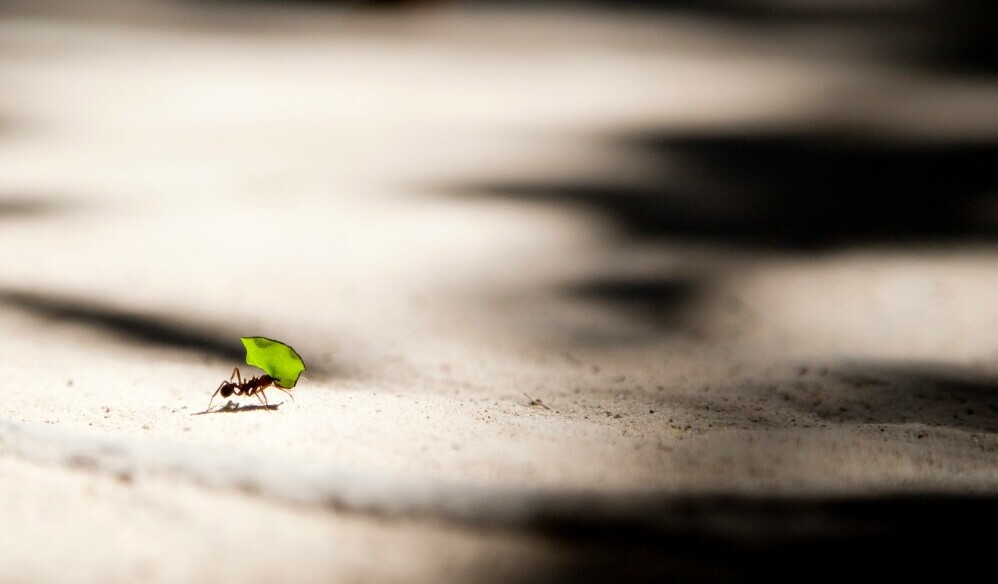
    Ants Carrying Objects: Dreams where ants appear to carry food or other objects often symbolize that every small effort you make contributes to a larger goal. It may be an encouragement to value each bit of help you give or receive in collaborative tasks. Every effort counts, and the significance lies in the sum of these actions over time.

    Ants in the House: If you dream of ants infesting your home, it could be a sign that pesky details in your personal life are taking up more space than they should. This might be a cue to clean up, organize your living area, or address unresolved issues that have been quietly accumulating over time.

    Ants Working on a Structure: Occasionally, dreams involve ants building or repairing something. Such imagery is connected to creating order out of chaos, and it can inspire you to look at ways to improve or safeguard your current projects or relationships. This can also be seen as an indication that renewing old systems or establishing new processes might prove very important for your future success.

    Common Dream Scenarios Involving Ants

    Practical Strategies for Interpreting Your Ant Dreams

    When you wake up from a dream about ants, take a moment to reflect on your current situation. Ask yourself questions like: What project or relationship might be demanding extra attention? Could these small but persistent issues be trying to get your attention?

    Keeping a dream journal can be really helpful. Write down as many details as you can remember, and over time you might spot patterns or recurring themes that point to hidden stresses or unmet needs. Remember, no two dreams are identical, and your personal associations with ants may differ from more general interpretations.

    It might also be beneficial to ask someone you trust for their perspective on the matter. Discussing your dreams may open up new angles that you hadn’t considered before. Conversations can offer alternative viewpoints which sometimes bring clarity to the message your subconscious is expressing.

    1. Record the Details: Write down the setting, emotions you felt, and any other notable symbols in the dream.
    2. Connect with Your Daily Life: Reflect on whether the theme of hard work, teamwork, or feeling overwhelmed applies to any situation you’re currently facing.
    3. Consider the Cultural Context: Look at your background and beliefs. In some cultures, ants hold a positive meaning, while in others they may signal caution.
    4. Discuss With Others: Share your dream with friends or a trusted advisor who might help you see aspects you overlooked.
    5. Repeat if Necessary: Over time, if the dreams persist, you might notice that the recurring theme tells you something very important about your state of mind or situation.
    Points to Consider When Analyzing Your Dreams

    Points to Consider When Analyzing Your Dreams

    Interpreting dreams is not an exact science, but there are several factors to keep in mind. One important aspect is the intensity of your emotions during the dream. Feeling chased by a swarm of ants might indicate anxiety, whereas watching ants methodically carrying out their tasks could reflect admiration for perseverance and dedication.

    Your personal connection with ants also matters. Some people might have negative experiences or even fears associated with ants, which could skew the interpretation in a more cautionary direction. Alternatively, if you have fond memories of nature and the small wonders of the natural world, your dream might take on a hopeful or reassuring tone.

    Other elements, such as the environment of the dream and how the ants interact with it, add layered meaning to the interpretation. Are the ants in a thriving garden, well-organized and productive? Or are they causing chaos in a space you hold dear? Each detail can help you connect the dots and figure out the heart of the dream’s message.

    Sometimes, dreams act as a mirror reflecting your subconscious thoughts. For instance, if you’ve been juggling multiple tasks without a clear plan, your mind might use the symbolism of ants to nudge you into adopting a more structured approach.

    Teamwork and Collaboration

    One important aspect of ant symbolism in dreams is the focus on teamwork. Ants work in an all-in-one, highly organized manner, each with a specific role that contributes to the overall success of the colony. In dreams, this narrative can point to the benefits of sharing workloads or collaborating on projects in your waking life. When you see ants hard at work together, consider whether you might benefit from reaching out to colleagues or friends for support.

    Feeling Overwhelmed by Details

    On the flip side, when ants are everywhere and seem uncontrollable, it may be a sign that you’re feeling swamped by minor issues or annoyances. It acts as a reminder to break tasks down into manageable parts and concentrate on quality over quantity. Taking the time to clear up your thoughts can transform a chaotic situation into one that is organized and easier to handle.

    The Balance Between Small Tasks and Big Goals

    Ants often remind us that every tiny contribution can add up to significant progress over time. Whether you’re just starting a new project or working toward completing a long-term goal, noticing the small steps matters. Observing ants diligently performing their roles might be a sign that persistent and steady effort will eventually lead to success, no matter how small the beginning may seem.

    Advanced Dream Analysis Tips

    Advanced Dream Analysis Tips

    If you find that your dreams about ants are recurring or particularly vivid, you might benefit from jump into deeper dream analysis techniques. More advanced interpretation methods can help you build connections between the dream imagery and your current emotional state or ongoing challenges.

    Explore Symbolism Through Art: Some people find it useful to draw or paint their dreams. This creative act can provide a tangible representation of your thoughts and feelings that might be easier to analyze. The visual aspect helps in noticing patterns and symbols that may not be immediately apparent from memory.

    Compare Dream Themes: Look at your ant dreams alongside other recurring symbols in your dream journal. Identify common threads between different dreams. Do they all signal a need for enhanced stability or caution against an overload of minor issues? Noticing these connections can bring clarity to recurring challenges in your life.

    Reflect on Life Changes: Consider whether recent shifts or stresses might be affecting your dreams. Significant transitions in life may be mirrored by recurring dream imagery, urging you to handle responsibilities one step at a time.

    Meditation and Mindfulness: Practices like mindfulness can boost your ability to understand your dreams. By calming your mind and reflecting on your day-to-day experiences, you may start to pick up on subtle messages your subconscious sends through imagery of ants.

    These advanced strategies are tools you can use at your own pace. Not every ant dream carries a deep secret, but if you feel one is trying to tell you something important, these methods can help reveal that message.

    Frequently Asked Questions

    I often get asked a few common questions about dreams involving ants. Here are some responses that might clear up any confusion and guide you toward a better understanding.

    Question: What does it mean if I see ants swarming in my dream?
    Answer: Seeing ants in large numbers may indicate that you feel overwhelmed by minor issues. It can also reflect a fear of small problems multiplying into something more significant. Consider what areas of your life might seem to be getting out of control to shed more light on this imagery.


    Question: Are dreams about ants positive or negative?
    Answer: Ant dreams are not strictly good or bad. They often signal qualities like hard work and organization, but they can also reflect the stress of dealing with too many small tasks at once. The overall tone and context of the dream give important clues to its meaning.


    Question: How can I use these dream insights in my daily life?
    Answer: Use the clues from your dream as a prompt to examine your current routines and responsibilities. Perhaps there’s a need to delegate tasks, reorganize your schedule, or simply recognize the value of consistent, small efforts. Keeping a regular journal and reflecting on your everyday experiences can help you pick up on these connections.


    Additional Reflections on Ant Dreams

    Additional Reflections on Ant Dreams

    Sometimes, the lessons we learn from our dreams extend far beyond the symbols themselves. Your ant dreams might be urging you to take a closer look at both your professional and personal life. Think about the little actions you take every day—whether they are setting priorities at work or managing household chores—and realize that these actions can aggregate and create remarkable outcomes over time. Ants remind you to appreciate every contributing factor, no matter how small it looks on its own.

    It is also helpful to consider the emotional undertones of your dreams. For instance, if you wake up feeling stressed or anxious after an ant dream, try to understand what in your current environment might be costing you peace of mind. Perhaps your workload feels unmanageable or interpersonal relationships are under strain. Taking time to reflect on these details can provide you with clarity and direction in addressing these issues.

    In addition, try talking about your dreams with someone who understands you well. Sharing the details can often uncover new perspectives that you might not have considered. Sometimes the simple act of articulating your thoughts can lead to surprising insights about your habits and overall life structure. This reflective practice not only helps in dream interpretation but can also be a stepping stone to personal growth and improved mental well-being.

    Moreover, consider integrating relaxation techniques such as meditation or even a short walk in nature after you wake up. These practices can help clear your mind and set the stage for a more organized day ahead. Remember, every small positive step you take, much like each ant in a colony, contributes to a larger, meaningful change over time.

    Final Thoughts

    Dreams about ants tap into a fundamental part of our psychology. They remind us of the value of persistence and teamwork while also cautioning us against letting minor problems overwhelm our lives. Whether your dream inspires you to work harder, reorganize your priorities, or simply appreciate the beauty of small, consistent efforts, the message often lies in the details.

    The next time you have a dream featuring ants, take a few minutes to jot down your thoughts and see how the themes connect with your personal experiences. Over time, you might start to see a pattern that builds a clearer picture of what your subconscious is trying to communicate.

    Embrace these insights as a tool for personal growth. While dreams may not solve every problem, they can offer a unique perspective on how to approach the everyday intricacies of life. Ants, in their quiet determination, remind us that every small action has the power to contribute to bigger outcomes.

    Balancing work and life, structuring your days, and ensuring that you are not overwhelmed by routine challenges can lead to more satisfying results. Take the time to reassess your current path and organize your efforts for a smoother adventure ahead. Bottom line, your dreams are a personal message; pay close attention, learn from them, and let them inspire a more organized and fulfilling lifestyle.

  • What Do Dreams About Snakes Mean?

    What Do Dreams About Snakes Mean?

    Dreams about snakes carry deep meanings that touch on transformation, fear, and healing. Many people find these dreams intriguing, and the ideas below may help you reflect on your own dream experiences. While snake dreams might appear mysterious or unsettling at first, they offer clues about personal change and inner emotions.

    Exploring the Symbolism Behind Snake Dreams

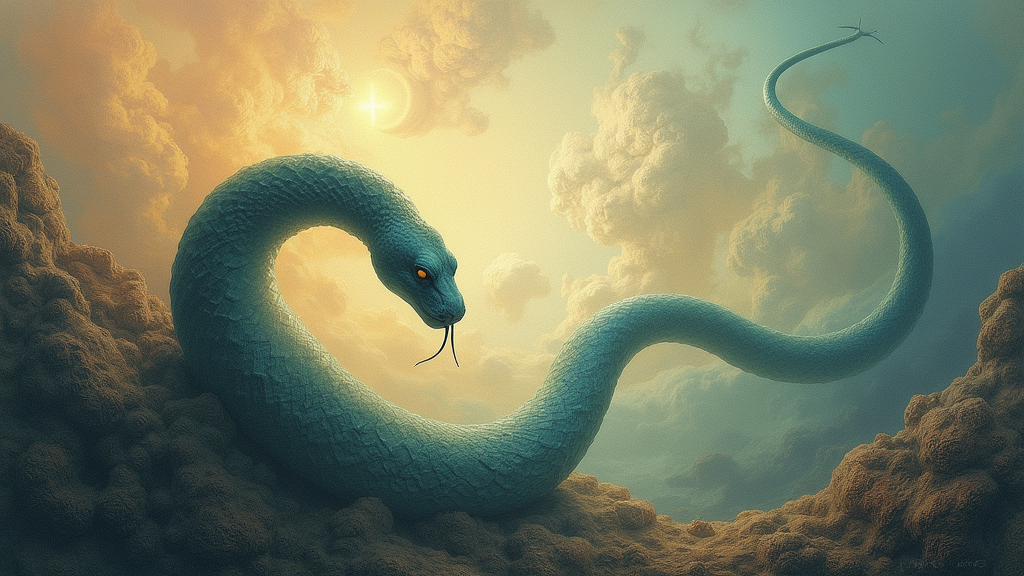
    Placeholder image representing dream symbolism Snake dreams often spark curiosity because they point to inner feelings and life changes. A snake can appear as a sign of hidden fears, unspoken desires, or even rejuvenation. In many traditions, snakes are symbols of transformation because they shed their skin, which suggests that change is a natural part of life. How a snake behaves, its color, and your emotional response during the dream all add clues to what your subconscious might be communicating. In some instances, the snake may serve as a warning about a potential threat; in others, it might signal a positive change ahead.

    Common Interpretations of Snake Dreams

    Common Interpretations of Snake DreamsThere are several approaches to understanding snake dreams. One common view is that the snake stands for hidden fears or anxiety that you may not be fully addressing in your everyday life. When a snake appears in your dream, it could be urging you to confront underlying issues that disturb your sense of peace. At the same time, not every snake dream has a negative tone.

    Some interpretations see the snake as a guide for healing. In various cultural mythologies, snakes have been linked with medicine and rejuvenation, suggesting that the dream may be a sign your mind is processing emotional or even physical healing. At times, the dream may combine aspects of danger and recovery, with a snake that looks aggressive at first but ultimately acts as a catalyst for change. These overlapping meanings remind you that the signals from your inner world are rarely straightforward.

    Starting Snake Dream Analysis

    Jumping into the analysis of your snake dreams starts with gentle self-reflection. It is important to pay attention to the dream’s context. Start by asking yourself: What was happening in the dream? How did I feel during the encounter? Taking time to check in with your emotions and the details can help you better understand your subconscious mind.

    Keeping a dream journal is one of the best ways to record these experiences. Write down every detail you remember immediately upon waking. Regularly recording your dreams helps highlight recurring themes and symbols that might be significant. Over time, these entries can enable you to spot patterns in your inner thoughts and emotions, guiding you to a clearer interpretation of your dreams.

    Learning some basic ideas and key terms in dream interpretation may also prove useful. With a simple toolkit of concepts in hand, you’ll be better prepared to decode the sometimes puzzling images or unusual scenarios in your dreams.

    Key Themes in Snake Dreams

    Snake DreamsMany individuals notice recurring elements when they dream about snakes. Here are some key themes and what they might suggest:

    • Transformation: Much like how a snake sheds its skin, your dream might imply that you are ready for change. This could involve letting go of old habits and embracing a new phase in your life.
    • Hidden Fears: Snakes often embody fears you might not address in your waking hours. Such dreams can prompt you to acknowledge and tackle these lurking concerns.
    • Temptation: The allure of a snake in your dream might symbolize temptation or desire. This could reflect choices or internal conflicts about what path to take in your daily life.
    • Healing: In many cultures, snakes are linked to medicine and recovery. A dream featuring a snake might indicate oncoming healing, whether emotional or physical.

    Remember, interpretations can vary widely. What feels like a call for change to one person might seem to highlight hidden anxieties to another. Your feelings about the dream are central to understanding its unique message.

    Reflecting on the Details of Your Snake Dream

    Once you have a basic understanding of common themes, the next step is to focus on the details of your dream. Ask yourself about specific elements, such as:

    • Behavior of the Snake: Did it move calmly or act aggressively? A calm snake might suggest inner acceptance of change, whereas an aggressive one could reflect unresolved issues and worries.
    • Color and Size: Colors often carry symbolic meanings. A bright snake might point to a positive change or wealth, while a dark snake could emphasize secrets or fear. Similarly, a large snake might be a sign of significant transformation, whereas a small one could imply minor concerns.
    • Your Reaction: What were your feelings during and after the dream? An experience of fear might signal unresolved issues, while calmness may indicate that you are already moving toward positive change.

    By reviewing these components, you can create a roadmap to understanding the subconscious messages behind your dream. This reflective process helps you discern whether the dream is prompting action or simply noting a shift within you.

    Practical Approaches to Unraveling Your Dream’s Meaning

    Practical Approaches to Unraveling Your Dream's MeaningTo get a better sense of what your snake dream might mean, consider these practical steps:

    1. Write It Down: Use a dream journal to note down details and recurring symbols. Over time, patterns may emerge that clarify the overall message of your dreams.
    2. Ask Guiding Questions: Consider why the snake appeared. What might it be representing in your current life situation?
    3. Examine the Context: Reflect on any major changes in your life, be it in relationships, work, or personal growth. Your current circumstances could mirror the theme of shedding an old self and welcoming the new.
    4. Research Different Perspectives: Exploring various cultural views on snake symbolism can help reveal insights that resonate with your own experience. Different traditions might interpret the same symbol in diverse ways, offering a broader perspective.
    5. Talk About It: Sharing your dream with someone who understands symbolism can bring up observations you may have missed. A fresh point of view often helps clarify the message your subconscious is trying to send.

    These steps make it easier to build a connection with your inner self. Each dream gives you a hint of valuable insights needed to address issues in waking life or to celebrate transitional growth.

    Jumping into Deeper Analysis on Snake Dreams

    For those comfortable with the basics of dream interpretation, there are advanced techniques to unpack even more meaning from your snake dreams. Begin by checking the emotional resonance of the dream. Strong emotions—whether positive or negative—are clear signals that the dream is addressing something significant in your real life.

    Additionally, consider the symbolic layers present in the dream. Often, a snake is not the only symbol featured; other animals, objects, or settings might combine with the snake to form a more detailed picture of your inner world. Observing these extra elements up close can help you connect the dots in your subconscious narrative.

    Trusting your intuition is also important. While it is useful to analyze specific details, sometimes the right interpretation comes from an overall gut feeling about the dream. If the symbolism simply feels right, it might lead you to understand your life situation without needing a lengthy explanation.

    Everyday Themes and Their Impact on Your Life

    Snake dreams often serve as mirrors, reflecting everyday challenges and changes. They invite you to think about how the messages in your dreams relate to your daily experiences. For instance, a recurring snake in a dream might prompt you to examine parts of your life you’re ready to let go of, especially old habits or beliefs that no longer serve you. This process of releasing outdated ideas, though sometimes difficult, can lead to meaningful personal growth.

    Similarly, snake dreams may spotlight areas where you need to face your fears. This isn’t always an easy task, but acknowledging these fears can open the door to overcoming them. When you view change as an opportunity rather than a threat, it becomes easier to embrace life’s transitions with optimism and courage. In this way, even an unsettling dream carries the potential to guide you toward a more authentic and self-aware life.

    Frequently Asked Questions

    Question: What does it mean if the snake in my dream appeared calm and non-threatening?
    Answer: A calm snake typically symbolizes inner transformation or healing. It may indicate that you are peacefully adapting to changes and are ready to welcome new aspects of yourself.


    Question: How should I respond if the snake in my dream seemed aggressive?
    Answer: An aggressive snake might point to deep-seated anxieties or unresolved issues in your life. It may be a reminder to address challenges you have been avoiding.


    Question: Do cultural differences influence the interpretation of snake dreams?
    Answer: Yes, perspectives on snake dreams vary widely. While some cultures consider snakes dangerous, others see them as symbols of wisdom and renewal. Exploring these differing viewpoints can help you figure out which interpretation resonates best with your own experiences.


    Question: Can recurring snake dreams indicate a larger message?
    Answer: Recurring dreams often suggest that your subconscious is repeatedly trying to communicate an unresolved issue. If you frequently see snakes in your dreams, it may be worthwhile to examine ongoing patterns or changes in your life.


    Wrapping Up: Reflections on Snake Dreams

    Wrapping Up: Reflections on Snake Dreams Snake dreams may initially seem mysterious, but they offer important insights into your inner self. Whether the snake symbolizes transformation, hidden fears, temptation, or healing, understanding its message can guide you in addressing areas of personal growth. Approaching these dreams with curiosity rather than fear allows you to see opportunities for positive change.

    Remember that no single interpretation fits everyone perfectly. Each dream is unique to the dreamer, and the feelings it evokes are a valuable part of its message. Whether you decide to write a detailed dream journal, discuss your experiences with someone who understands symbolism, or simply set aside some time for personal reflection, every step you take helps paint a clearer picture of your inner landscape.

    If you encounter a snake in your dream, consider it an invitation to look deeper. Ask yourself if there are parts of your life that are changing or if there is a hidden fear you need to face. Let these dreams gently guide you toward living a more genuine and aware life. With each dream, you are given a glimpse into the next stage of your glow-up, helping you to reconnect with your most authentic self.

    The insights from your dreams can serve as both a wake-up call and a source of encouragement. By taking the time to understand and appreciate the subtle messages in your sleep, you set the stage for meaningful self-improvement. Use every dream as a reminder that transformation is ongoing and that each new phase brings with it the possibility of personal renewal.

    Ultimately, snake dreams offer more than just fleeting images; they provide guidance and inspiration. They remind you that growth often comes from acknowledging both fears and opportunities. In this way, every dream becomes a stepping stone toward a balanced and fulfilled life.

  • Unveiling The Mystical Powers: What Owls Mean Spiritually 🦉

    Unveiling The Mystical Powers: What Owls Mean Spiritually 🦉

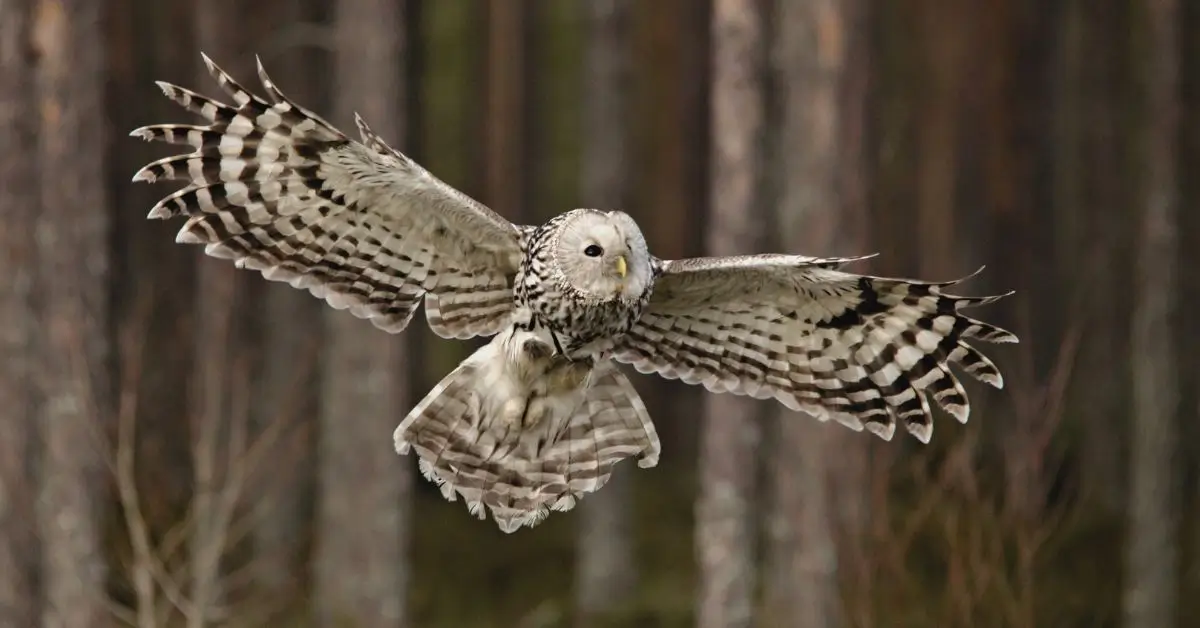
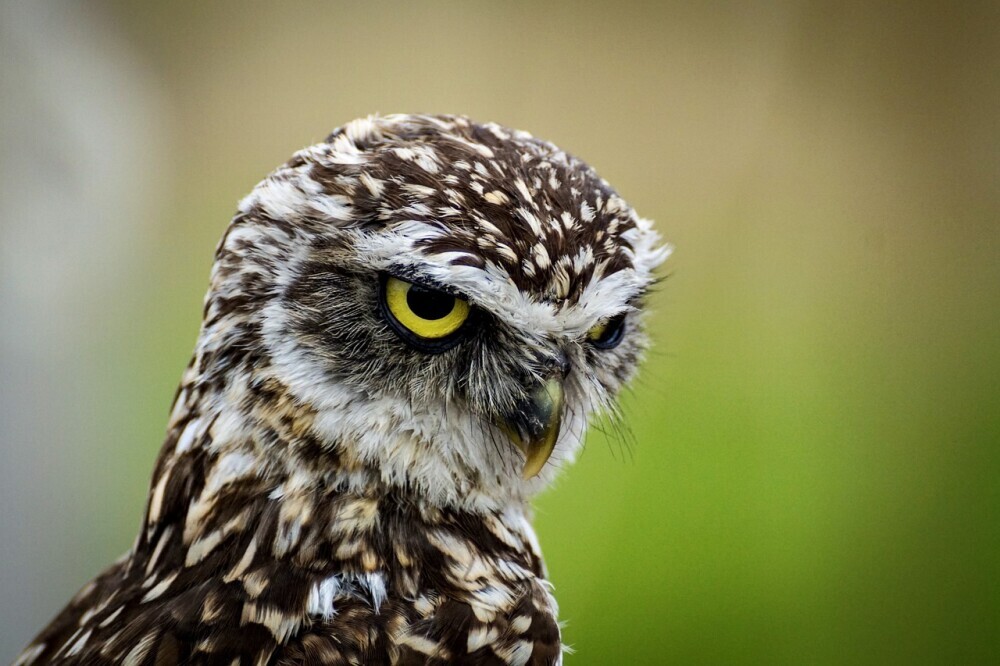
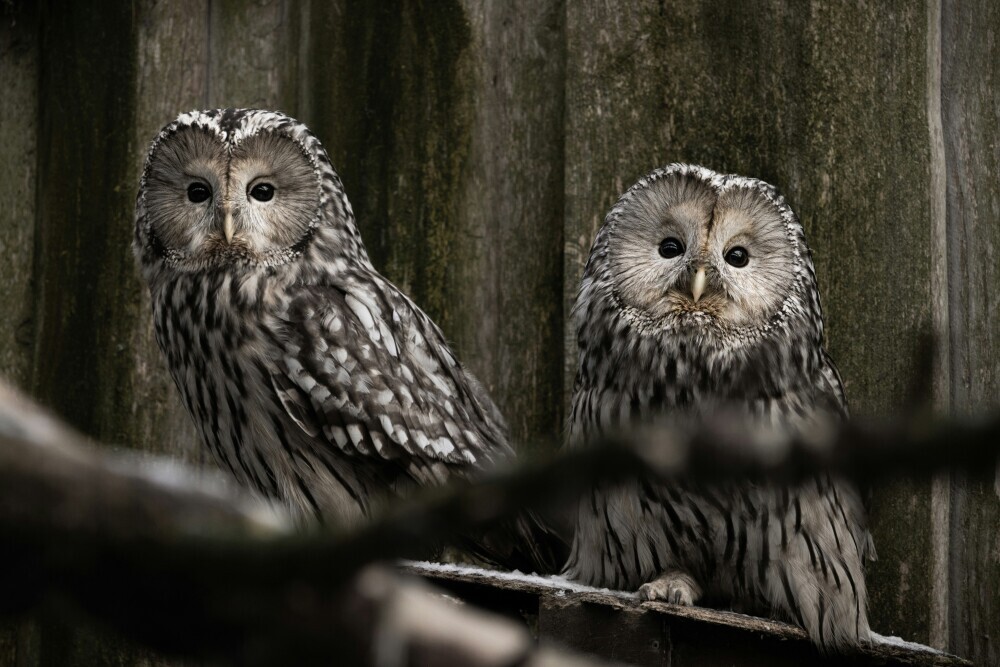
    Owls have this super cool reputation for being mysterious and wise, right? In the spiritual world, they’re like these symbols packed with deep meaning, and they’re not just popping up randomly in dreams or myths without a reason.

    Loads of cultures worldwide see owls like these wise old guardians. In ancient Greece, the owl symbolized Athena, the goddess of wisdom. That’s just one example, but other cultures see them as messengers or protectors.

    Now, owls show up quite often if you look at mythology and folklore. Usually, they’re tied to the unknown or even the afterlife. Some stories even have them guiding souls or as a bridge between the world we know and the one beyond.

    So, exploring the spiritual significance of owls is about digging into these stories and understanding what these birds have symbolized throughout history. And it’s not just about ancient texts—it’s also about looking inside and seeing what an owl might mean to you.

    Let’s face it: owls can strike a chord with people. When you think of or see an owl, that feeling you get can say a lot about where you are in life or what you’re going through. They invite us to be curious and trust our wisdom, perhaps even guiding us to new insights and perspectives.

    Peeking Through Darkness: The Symbolism of Owls in Dreams

    Peeking Through Darkness: The Symbolism of Owls in DreamsDreaming about owls can feel fascinating. They often show up when we’re navigating changes or searching for understanding. Owls in dreams might point toward knowledge and a sharper intuition. It’s like your subconscious encourages you to trust your gut feelings more.

    Seeing an owl in your dreams can suggest that you’re on the cusp of learning something new, maybe about yourself or your surroundings. It’s often a nudge to look within, trust your insights, and be open to wisdom from unexpected places. Consider how the dream coincides with your current life situation. Are you facing challenges or decisions? The owl might be hinting at solutions or new beginnings.

    Beyond simply interpreting owls as symbols of knowledge, consider the nuances. For instance, the behavior or color of the owl in the dream could add layers of meaning. A calm owl might suggest you’re comfortable with what’s ahead, while an agitated one might mean there’s something unresolved.

    Personal growth is another big theme. Owls appearing in dreams could be tied to an evolving understanding of life’s complexities. This isn’t necessarily a bad thing; it can be empowering to recognize you’re evolving.

    Viewing an owl in your dreams can be a call to action. It’s like a signal to pause, reflect, and perhaps rethink your approach or path. Whether chasing new dreams, tackling old issues, or just looking at the world with a fresh perspective, these avian guides could point you in a direction you didn’t realize you needed to explore.

    When Silence Speaks: Owls and the Sounds of the Night

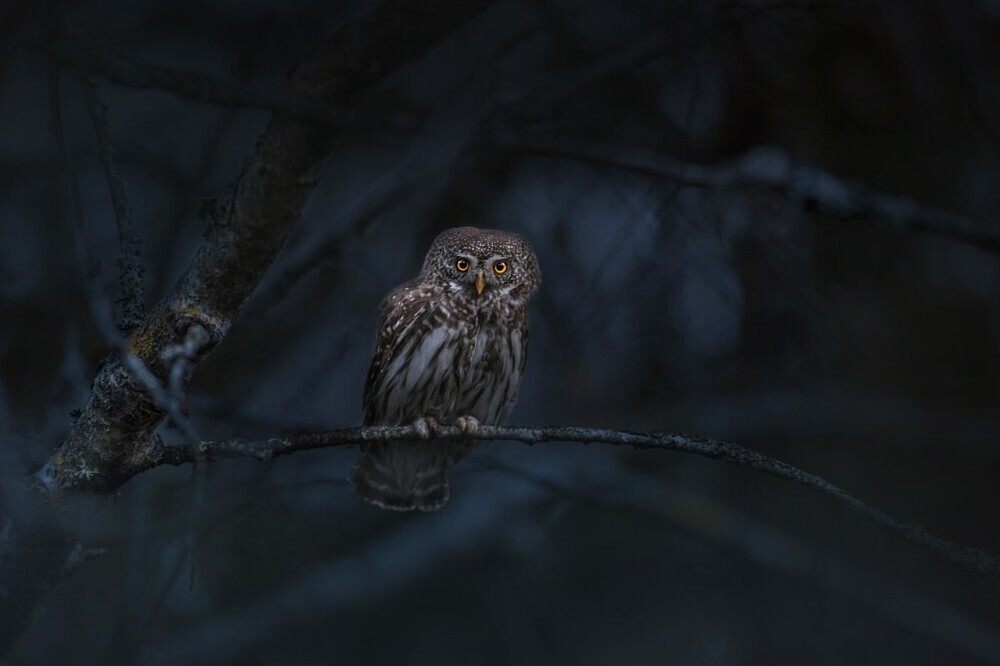
    When Silence Speaks: Owls and the Sounds of the NightOwls at night can feel equal parts eerie and magical. Something about their calls seems to pierce through the stillness, right? Those sounds can stir up deep feelings or even signal changes in the air.

    Each call from an owl often symbolizes different aspects of life. For many, the hoot of an owl represents the unknown or a journey into the subconscious. This could mean it’s time to pay attention to what’s not being said in your waking life. There may be a message or insight you’ve been ignoring.

    Think about how these calls make you feel. Do they stir excitement or unease? Owls are known for their silent flight and haunting calls, so maybe there’s a lesson about the power of introspection versus expression.

    For those who find owl calls unsettling, it might be fear of the unseen. This is a chance for self-reflection, like figuring out what’s beneath that fear. Digging into what the calls trigger emotionally can unlock parts of your psyche that need attention.

    Owls also symbolize the shift between the worlds of knowns and unknowns. Their presence at night signifies transition — whether it’s personal growth, shifting perspectives, or moving through life stages. Embracing these transitions can lead to incredible personal insights or breakthroughs.

    So, consider it a little nudge the next time you hear an owl’s call. It might be time to pause, think about your life’s heading, and listen. You might discover something about yourself you hadn’t realized was just beyond the silence.

    Owls in Various Life Scenarios: Finding Personal Meaning

    Owls in Various Life Scenarios: Finding Personal MeaningOwls pop up in our lives in strange ways, and sometimes, trying to figure out what that means can be like solving a puzzle. Different scenarios whisper different meanings, so it’s worth paying attention to the context.

    Imagine dreaming of a soaring owl. You could be feeling a tug toward freedom or exploring new horizons. This encounter might point to a journey within, where you’re ready to embrace new perspectives or let go of what’s weighing you down.

    Now, if you dream or see an owl chilling in one spot, you may be called to find some balance. It could hint at staying grounded even when everything around you seems chaotic. In such moments, the owl encourages patience and reflection, a signal to pause and regroup.

    Then there’s the edgy dream where an owl is hunting prey. This scenario might bring up themes of survival and confronting fears head-on. It may urge you to tackle issues lurking in the background and trust your instincts when facing them.

    Ultimately, each owl sighting, whether in dreams or real life, can be layered with personal meaning. Your current life situation, feelings, and thoughts largely dictate how you interpret these encounters. Sometimes, it’s about deep introspection; other times, it’s a straightforward lesson in survival and courage. Whatever it is, there’s always a thread to follow that could lead to genuine self-discovery.

    So, when you have an owl moment, think about the vibe or energy it brings. It could unlock parts of your life that need attention or jumpstart a path to personal growth.

    From Birth to Rebirth: Owls as Symbols of Transformation

    From Birth to Rebirth: Owls as Symbols of TransformationOwls carry a strong vibe of transformation and renewal, connecting with themes of birth and rebirth. They often signal the end of one chapter and the start of something fresh, emphasizing their role as spirit animals for those navigating through life’s turning points.

    These feathered guides aren’t just about profound changes; they’re about understanding the cycles we go through. Owls remind us how endings can sometimes be the best beginnings—shedding old habits, beliefs, or even relationships to make space for new experiences.

    Consider what an owl appearing to you might imply about the transformation process. It could be about growth in personal life, like moving from fear to confidence or letting go of past pain to embrace healing.

    Embrace this symbolism by being open to shifts in perspective. Change isn’t easy, but the owl’s presence reminds us that growth happens when we allow transformation. Lean into the discomfort of change and trust the process.

    The journey of rebirth can often be about introspecting and understanding more profound aspects of yourself. Owls teach silent observation and reflective thinking, which are key during any transformative phase.

    Every moment of transformation is a chance to evolve and align more closely with your true self. Whenever an owl crosses your path, it’s like a nudge to embrace those parts of you that are due for renewal. Let their wisdom guide you in understanding that every ending opens the door to a new start.

    A Guiding Light: Owls as Messengers and Guides

    Owls often pop up as spirit guides, bringing messages from realms we might not typically access while awake. They can be a beacon when navigating life’s complexities and figuring out paths forward.

    In the world of spirit animals, an owl’s guidance might hint at tuning into your intuition more deeply or being open to insights that come unexpectedly. Imagine it as a boost, urging you to trust that gut feeling or go ahead with that decision you’ve been contemplating.

    Sometimes, owls appear when we’re stuck between worlds—the known and the unknown. They act like bridges, helping us tap into our subconscious. If you’re weighing options or straddling two worlds—work-life balance or personal crossroads—the owl could nudge you toward clarity.

    It’s not just about listening to what’s silent; it’s also about heeding messages from unexpected places. An owl’s appearance, whether in dreams or reality, suggests looking for signs and meaning that might be out of immediate sight. Consider journaling your thoughts when you feel an owl has brought insight. Often, writing helps bring abstract feelings into the light.

    Owls also remind us that guidance only sometimes comes with loud announcements. Sometimes, it’s the quietest among us who hold the deepest wisdom. Use time with your owl encounters to reflect quietly, seeking truths that whisper rather than shout.

    Next time you feel life’s compass spinning, consider an owl’s guidance as a spiritual nudge and a grounding force. Let their silent wisdom help illuminate the path that aligns with your truth.

    Unexpected Encounters: Owls and Synchronicities

    A Guiding Light: Owls as Messengers and GuidesEver notice how owls sometimes show up at the oddest moments? It’s like the universe is sending you a wink, right? These unexpected encounters often carry deeper meanings than we might first realize.

    Running into an owl might feel like a coincidence, but what if it’s more than that? These incidents can reflect synchronicities, those moments where things connect in ways that seem too perfect to be mere chance. Paying attention to these signs can enrich our understanding of our path.

    Deciphering these unexpected appearances involves looking at your life when they occur. Ask yourself what themes are prevalent at that moment. Is there something you’ve been pondering or a decision you’ve been avoiding? The owl could be nature’s way of giving you a gentle nudge.

    It’s all about tuning into what these encounters might be telling you. Consider if patterns are repeating or if the owl is showing up along with other signs. This is the universe’s quirky language; sometimes, it’s trying to tell you to stay aware and open to possibilities.

    Owls invite reflection on the links between our thoughts and the universe. Are you on the right path? Could it be time to shift direction? Trust your instincts when interpreting what these rendezvous mean. Was there a specific moment or feeling connected to seeing the owl?

    Every owl sighting speaks to the seamless connection between factors in our lives, even those we can’t see outright. By reflecting on these synchronicities, we can uncover messages that guide us toward self-discovery and personal growth. Next time you see an owl unexpectedly, give yourself space to reflect on what the universe might hint at.

    Owls Across Cultures: A Global Perspective

    Owls have this incredible knack for capturing imaginations worldwide, standing as potent symbols across various cultures. From Native American beliefs to Asian philosophies, these nocturnal creatures hold universal allure, bridging diverse cultural narratives.

    In many Indigenous cultures across North America, owls are seen as wise messengers of the night. They’re respected for their connection to the spirit world, often appearing as guides or protectors in stories. When an owl is sighted, it’s sometimes considered a harbinger of important news or a significant shift on the horizon.

    Turning to Eastern traditions, owls often carry themes of mysticism and intuition. In Japan, for example, they are seen as symbols of good luck and protection against suffering. This starkly contrasts Western superstitions, where they can sometimes signal ominous events or foretell challenges.

    In Africa, some communities view owls with a mystical lens, attributing them to the presence of ancestors or spirits. They might be seen as portals to other realms, echoing the theme of transition and unseen wisdom recognized in many different parts of the world.

    Even within European folklore, owls have worn many hats. From being the wise companions of ancient scholars to symbols of death and the afterlife, they straddle wisdom and mystery with their silent flight and watchful gaze.

    Understanding these global perspectives enriches our appreciation of owls and invites reflection on our beliefs and experiences.

    Reflect on how these cultural interpretations resonate with your encounters and dreams of owls. You might uncover deeper personal insights by exploring the diverse views and experiences that echo through owl symbolism worldwide.

    Finding Your Narrative: Personalizing the Spiritual Meaning of Owls

    Finding Your Narrative: Personalizing the Spiritual Meaning of Owls

    Owls weave a tapestry of symbolism that threads through dreams, cultures, and personal experiences. It’s unique to each person, and what’s super important is discovering what these encounters mean to you.

    Think about what goes on in your life when you dream about owls or see them. They might be linked with changes you’re going through, reflecting your inner wisdom or serving as guides during tricky times. Personal experience is key here, and intuition often knows best.

    Start by jotting down what you feel each time an owl appears in your dream or world. These nuances are personal clues, be it their calmness or haunting call. It can help draw a clearer picture of what the owl symbolizes in your journey.

    Dive into reflection and let your historical and cultural findings inform your understanding. Does one particular cultural interpretation resonate more closely with your experiences? It could be more about freedom, wisdom, or transformation.

    By reflecting on these observations, you create a personal narrative with owls. This journey is about trusting yourself, acknowledging how these spiritual connections guide you, and allowing them to grow with you.

    They speak to the heart of individuality; their meanings are as diverse as those who encounter them. Trust what they mean to you; this personalized interpretation will be the most profound guide.