Category: Spiritual Symbolism

Plunge into the spiritual symbolism of colors, objects, animals, and numbers. Uncover the layers of meaning and understand how these elements convey divine messages and insights in your dreams and daily life.

  • Being Chased in a Dream – Fear You Can’t Escape

    Being Chased in a Dream – Fear You Can’t Escape

    Dreams about being chased rank among the most common and intense dream experiences people have worldwide. These vivid nightmares often leave dreamers waking with racing hearts and lingering anxiety, wondering what their subconscious mind is trying to communicate.
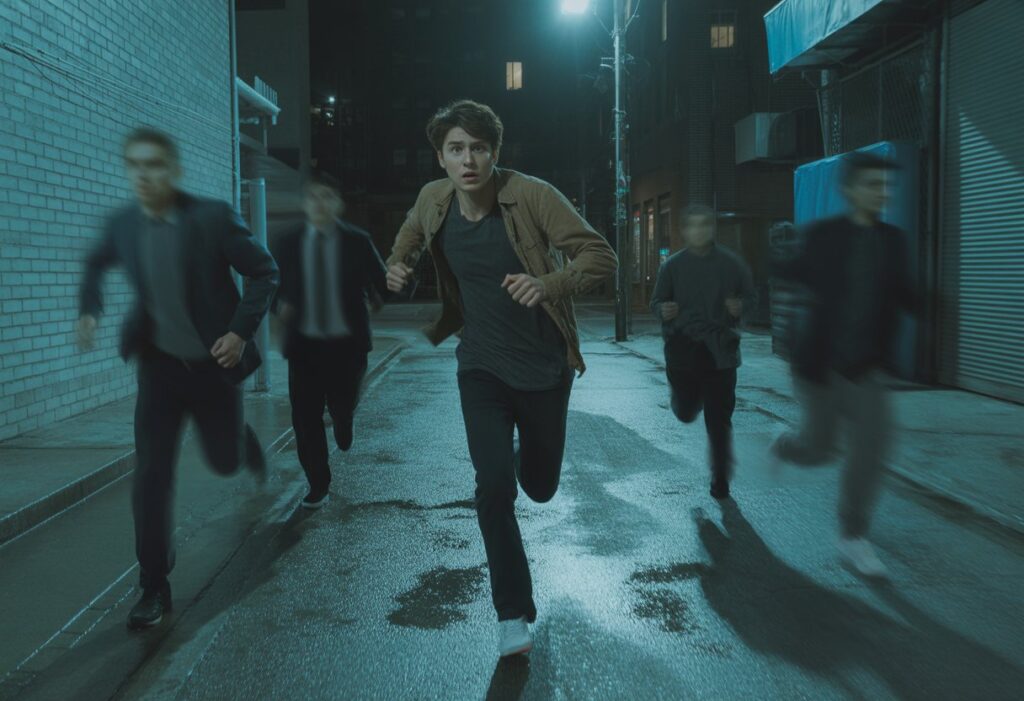
    Chase dreams typically show the dreamer’s flight response to perceived threats, stress, or unresolved conflicts in their waking life. The specific details of who or what chases the dreamer, along with their reactions and emotions, provide valuable clues about underlying fears and psychological states that need attention.

    By understanding the meaning behind these common dream themes, people can identify sources of anxiety in their daily lives. Analyzing dream details and learning interpretation techniques helps dreamers transform these frightening experiences into opportunities for personal growth and self-awareness.

    What Does It Mean to Dream About Being Chased?

    Dreams about being chased reveal how the mind processes stress, anxiety, and unresolved conflicts. These dreams typically reflect the fight-or-flight response and show how emotions shape our subconscious experiences during sleep.

    Common Symbolism in Chase Dreams

    Chase dreams carry deep symbolic meaning that varies based on who or what chases the dreamer. These dreams are among the most common dream themes and form a universal human experience.

    The chaser often represents different threats:

    • Unknown strangers symbolize unclear sources of anxiety or stress
    • Friends or family members may represent feared traits within oneself
    • Animals can indicate natural fears or overwhelming problems
    • Non-threatening figures suggest running from harmless situations

    The dreamer’s actions during the chase also hold meaning. Running away usually shows avoidance of real-life issues.

    Getting caught might represent feeling overwhelmed by problems.

    Recurring chase dreams signal something unresolved or stuck in the person’s life.

    The setting of the chase matters too. Dark places suggest unknown fears.

    Familiar locations might point to specific life areas causing stress.

    Fight or Flight Response in Dreams

    Chase dreams directly connect to the body’s natural stress response system. Being chased shows the ‘flight’ part of the fight-or-flight response that activates when people face perceived threats.

    The subconscious mind processes daily stress through these dream scenarios. When someone feels threatened in waking life, their nervous system stays activated.

    This activation appears in dreams as chase sequences.

    Physical stress responses that trigger chase dreams include:

    • Work pressure and deadlines
    • Relationship conflicts

    Other triggers are financial worries, health concerns, and major life changes.

    The dreamer’s body reacts physically during these dreams. Heart rate increases, breathing becomes rapid, and stress hormones release.

    These responses mirror actual danger situations.

    Dream interpretation experts find that the intensity of the chase often matches the level of real-life stress. More frightening chases indicate higher anxiety levels in daily life.

    How Emotions Influence Chase Dreams

    Emotions play a crucial role in shaping the details and intensity of chase dreams. These dreams often reflect feelings of anxiety, fear, or avoidance that exist in the person’s waking life.

    Different emotions create specific chase scenarios:

    EmotionDream Manifestation
    GuiltBeing chased by authority figures
    ShameRunning from judgmental crowds
    Fear of failureChased by faceless threats
    Relationship anxietyPursued by romantic partners

    Unprocessed emotions from daily life become chase sequences during sleep. The subconscious mind uses these scenarios to highlight ignored feelings.

    People experiencing depression might have slower chase dreams where escape feels impossible. Those with anxiety disorders often have more frequent and intense pursuit dreams.

    The emotional state during the chase reveals important information. Panic suggests overwhelming stress.

    Anger while running might indicate frustration with current circumstances.

    Dream analysis becomes more effective when dreamers examine their emotional responses both during and after these chase sequences.

    Types of Chase Dreams and Their Interpretations

    Different types of chase dreams carry unique meanings based on who or what pursues the dreamer. The identity of the pursuer and the dreamer’s response often reveal specific fears, anxieties, or unresolved issues in their waking life.

    Dream About Running Away

    Dreams about running away focus on the act of fleeing rather than the pursuer. These dreams typically show avoidance of real-life situations or emotions.

    The dreamer may escape from responsibilities they find overwhelming. Work stress, relationship problems, or financial pressures often trigger these dreams.

    Common scenarios include:

    • Running through familiar places like home or school
    • Feeling exhausted while running

    Some dreamers find themselves unable to run fast enough or experience legs that feel heavy or slow.

    When someone dreams of running in slow motion, it often indicates they feel powerless in their waking life. Dreams of being chased through different locations can reveal what area of life needs attention.

    The emotional tone matters significantly. Fear suggests the person is avoiding something important.

    Relief while running may indicate a healthy desire to escape negative situations.

    Dreams of Being Chased by Strangers

    Unknown pursuers in dreams often symbolize hidden aspects of the dreamer’s personality or unidentified fears. The stranger may represent qualities the person refuses to acknowledge about themselves.

    Male strangers might symbolize aggressive or competitive traits the dreamer suppresses. Female strangers could represent nurturing qualities or emotional needs being ignored.

    Dreams about being chased by unfamiliar people frequently relate to financial worries. This connection becomes stronger when the stranger wears green clothing or appears in business settings.

    Key interpretations:

    • Faceless pursuer: Represents unknown fears or anxieties
    • Multiple strangers: Suggests feeling overwhelmed by various life pressures

    A stranger in uniform may indicate authority issues or rule-breaking guilt.

    The dreamer’s reaction to the stranger provides additional clues. Recognition during the chase suggests growing self-awareness about personal issues.

    Dreams of Being Chased by Animals

    Animal pursuers represent primal instincts, untamed emotions, or natural drives the dreamer tries to suppress. Each animal carries specific symbolic meanings based on cultural associations and personal experiences.

    Common animal chasers and meanings:

    AnimalInterpretation
    DogsLoyalty conflicts or friendship issues
    WolvesPack mentality pressures or wild instincts
    BearsOverwhelming strength or protective instincts
    SnakesHidden threats or transformation needs
    LionsLeadership challenges or courage requirements

    Wild animals in chase dreams often signify retreat from natural desires or authentic self-expression. The person may feel ashamed of their true wants or needs.

    Domestic animals like cats or dogs suggest issues with relationships or daily routines. These dreams are usually less threatening and more about minor conflicts or adjustments needed in life.

    The setting matters too. Forest chases indicate connection to nature or unconscious mind exploration.

    Dreams of Being Chased by Authority Figures

    Police officers, teachers, bosses, or other authority figures as pursuers typically symbolize guilt, rule-breaking fears, or conflicts with control and power structures.

    These dreams often occur when someone feels they have done something wrong or violated social expectations. The guilt may be real or imagined, but the emotional impact remains strong.

    Being chased by police in dreams commonly relates to fear of punishment or consequences for past actions. The dreamer may worry about getting caught for something they have done or plan to do.

    Authority figure meanings:

    • Police: Legal concerns or moral guilt
    • Teachers: Learning challenges or intellectual insecurity
    • Bosses: Work performance anxiety or career fears
    • Parents: Childhood issues or approval seeking
    • Government officials: Societal pressure or rule compliance stress

    The uniform or official appearance emphasizes the power imbalance the dreamer feels. These dreams suggest a need to examine personal accountability and moral choices in waking life.

    Psychological and Emotional Causes of Chase Dreams

    Chase dreams often stem from deep psychological processes that reflect unresolved emotions and mental stress. The subconscious mind uses these intense dreams to process fears and anxieties that people avoid in their waking lives.

    Stress and Anxiety Triggers

    Daily pressures and overwhelming situations frequently trigger chase dreams. Being chased might reflect a fear of conflict or confrontation that feels too difficult to face directly.

    Work deadlines, financial problems, and relationship tensions create mental stress that emerges during sleep. The brain processes these stressors through symbolic chase scenarios.

    Common stress triggers include:

    • Job pressures and work conflicts
    • Money worries and unpaid bills

    Relationship problems, health concerns, and major life changes also contribute.

    Chase dreams appear consistently across all human cultures. Research shows that over 80% of people experience these dreams at some point.

    Physical symptoms often accompany stress-induced chase dreams. People may wake up with rapid heartbeat, sweating, or feelings of panic that mirror real-life anxiety responses.

    Avoidance and Unconscious Fears

    The subconscious mind creates chase dreams when people avoid dealing with important issues. Being chased in a dream could reflect bottled-up feelings that need releasing.

    Unresolved conflicts and suppressed emotions often manifest as pursuing figures in dreams. The chaser represents whatever the dreamer tries to escape from in real life.

    Types of avoidance behaviors that trigger chase dreams:

    • Emotional avoidance – Not processing grief, anger, or fear
    • Conflict avoidance – Refusing to have difficult conversations
    • Decision avoidance – Postponing important choices
    • Responsibility avoidance – Running from obligations

    Fear experienced during a chase dream reveals underlying anxieties and unresolved conflicts. These dreams force attention on issues that conscious thought tries to ignore.

    The identity of the chaser provides clues about specific fears. Animals, strangers, or familiar people each represent different types of avoided emotions or situations.

    Recurring Chase Dreams and What They Reveal

    Recurring chase dreams indicate persistent unresolved issues that demand attention. These dreams repeat because the underlying problem remains unaddressed.

    Each dream acts as a psychological reminder from the subconscious mind.

    Patterns in recurring chase dreams reveal:

    Dream PatternPsychological Meaning
    Same chaser appearsSpecific unresolved relationship or fear
    Different chasersMultiple avoided issues or general anxiety
    Never getting caughtSuccessful but temporary avoidance
    Getting caughtFear of consequences catching up

    The frequency of recurring chase dreams often matches the intensity of avoided issues. More pressing problems typically generate more frequent chase scenarios.

    People who consistently choose “flight over fight” responses in waking life experience these dreams more often. The subconscious mind uses repetition to emphasize the need for direct action rather than continued avoidance.

    Analyzing the Details in Chase Dreams

    The specific elements within chase dreams provide crucial clues for accurate interpretation. Who chases you, how you feel during the experience, and whether you escape or get caught all carry distinct meanings that reveal different aspects of your subconscious mind.

    Understanding the Pursuer

    The identity of the pursuer often represents the specific issue or fear the dreamer avoids in waking life. Different chasers carry unique symbolic meanings that can help decode the dream’s message.

    Human pursuers typically represent real people or relationships causing stress. A stranger chasing you might symbolize unknown fears or anxieties.

    Family members or friends as pursuers often indicate unresolved conflicts within those relationships.

    Animal chasers have specific interpretations based on their characteristics:

    • Dogs: Usually represent relationship issues you’re avoiding with loved ones
    • Snakes: Often symbolize toxic people in your life
    • Sharks or alligators: Represent people with “biting remarks” or harsh criticism

    Monsters or supernatural beings typically represent internal fears or aspects of yourself you’re trying to escape. These might include bad habits, negative thoughts, or destructive behaviors you don’t want to face.

    The pursuer’s behavior also influences interpretation. Aggressive chasers might represent urgent issues demanding attention.

    Persistent but calm pursuers could symbolize ongoing stresses or responsibilities.

    Emotional Responses During the Dream

    The emotions experienced during chase dreams provide important insights into how the dreamer handles stress and conflict in real life. These feelings often mirror waking responses to challenging situations.

    Fear and panic are the most common emotions, indicating the dreamer feels overwhelmed by whatever the pursuer represents. Intense terror suggests the avoided issue feels particularly threatening or urgent.

    Frustration during the chase often reflects real-life feelings of being trapped or unable to resolve a situation. This emotion appears when dreamers feel their options are limited.

    Exhaustion while running typically mirrors mental or emotional fatigue from avoiding problems. The dreamer may be tired of running from issues that require attention.

    Some dreamers experience determination or anger instead of fear. These emotions suggest a readiness to confront problems, even if the subconscious mind hasn’t fully processed this change.

    Relief upon waking indicates the dreamer recognizes the symbolic nature of their fears and feels capable of addressing them in waking life.

    Significance of Escape or Capture

    The outcome of chase dreams reveals important information about the dreamer’s perceived ability to handle life challenges and their subconscious attitudes toward conflict resolution.

    Successful escape suggests the dreamer believes they can avoid or overcome their current problems. This might also indicate continued avoidance rather than true resolution of underlying issues.

    Getting caught often symbolizes the need to stop running and face whatever the pursuer represents. This outcome can indicate readiness for confrontation or change.

    Hiding successfully represents temporary relief but suggests the core issue remains unaddressed.

    Fighting back against the pursuer shows the dreamer’s willingness to confront their fears or problems directly. This represents a shift from avoidance to active engagement.

    Endless running without resolution typically mirrors real-life situations where the dreamer feels stuck in cycles of avoidance.

    The dream’s setting also influences interpretation. Urban environments might represent social pressures, while natural settings could symbolize more primal fears or instincts.

    Techniques for Interpreting and Coping With Chase Dreams

    Understanding chase dreams requires specific tools and methods that help decode their hidden messages. Recording dream details, practicing mindfulness techniques, and getting expert guidance can transform these stressful experiences into valuable insights about the subconscious mind.

    Keeping a Dream Journal

    A dream journal serves as the foundation for understanding chase dreams. The dreamer should keep a notebook beside their bed and write down details immediately upon waking.

    Recording specific elements helps reveal patterns over time. The journal should include:

    • Who or what chased them
    • The setting and environment
    • Emotions felt during the dream
    • How the chase ended
    • Current life stressors

    Writing down dreams within five minutes prevents important details from fading. The subconscious mind often uses symbols that become clearer when documented consistently.

    Dreamers should note connections between their daily experiences and dream content. Dreams about being chased often reflect unresolved conflicts that appear in waking life.

    Regular journaling reveals whether certain life situations trigger specific chase scenarios. This awareness allows the dreamer to address underlying issues before they manifest as recurring nightmares.

    Meditation and Mindfulness Practices

    Meditation helps reduce the frequency and intensity of chase dreams by calming the nervous system. Regular practice teaches the mind to process stress more effectively during sleep.

    Breathing exercises before bed prepare the subconscious mind for peaceful rest. The dreamer should focus on slow, deep breaths for 10-15 minutes.

    Body scan meditation releases physical tension that contributes to anxiety dreams. This technique involves mentally checking each body part for stress and consciously relaxing tense areas.

    Mindfulness throughout the day helps identify stress triggers. When people recognize what causes anxiety in waking life, they can prevent these concerns from appearing as dream pursuers.

    Visualization techniques allow dreamers to rehearse confronting their pursuer. They can imagine turning around in the dream and asking the chaser what it represents.

    Some practitioners use meditation to access deeper dream meanings by quieting conscious thoughts that block subconscious messages.

    Seeking Professional Help

    Mental health professionals provide valuable guidance when chase dreams become frequent or disturbing. Therapists trained in dream analysis can help identify deeper psychological meanings.

    When to seek help:

    • Dreams disrupt sleep quality regularly
    • Chase dreams cause daytime anxiety
    • Dreams relate to past trauma
    • Self-help methods prove ineffective

    Cognitive behavioral therapy addresses the root causes of anxiety that fuel chase dreams. Therapists help clients develop coping strategies for managing stress in both waking and sleeping states.

    Dream-focused therapy explores the symbolic meaning of pursuers and chase scenarios. Professional dream work can reveal psychological insights that individuals cannot access alone.

    Sleep specialists may recommend treatments if chase dreams stem from sleep disorders. Some medications or sleep hygiene changes can reduce nightmare frequency.

    Group therapy connects people with similar dream experiences. Sharing interpretations often provides new perspectives on personal dream symbols.

    How to Address and Overcome Fears Related to Chase Dreams

    The key to managing chase dreams lies in connecting dream symbols to real-life stressors and developing stronger emotional coping skills. By identifying specific triggers and building resilience, dreamers can reduce both the frequency and intensity of these unsettling dreams.

    Identifying Real-Life Triggers

    Being chased in a dream often reflects avoidance patterns in waking life. The first step involves examining current life situations that create stress or anxiety.

    Work-Related Triggers:

    • Approaching deadlines
    • Difficult conversations with supervisors
    • Performance evaluations
    • Job security concerns

    Personal Relationship Triggers:

    • Unresolved conflicts with family members
    • Romantic relationship issues
    • Social anxiety in group settings
    • Fear of confrontation

    Dreamers should keep a detailed log connecting their chase dreams to daily events. This practice helps identify patterns between stressful situations and dream content.

    The identity of the pursuer provides crucial clues. A faceless figure might represent general anxiety, while a specific person could symbolize unresolved issues with that individual.

    The dream setting also matters. Being chased in familiar places often relates to ongoing life situations.

    Dream Journal Questions:

    • What happened the day before the dream?
    • Who or what was chasing me?
    • Where did the chase take place?
    • How did I feel during and after the dream?

    Building Emotional Resilience

    Dream interpretation becomes more effective when combined with practical coping strategies. Building emotional resilience helps dreamers face their fears both in dreams and reality.

    Mindfulness Techniques:

    • Daily meditation practice (10-15 minutes)
    • Deep breathing exercises before sleep
    • Progressive muscle relaxation
    • Body scan techniques

    Confrontation Practice: Dreamers can practice facing their fears through visualization exercises. They imagine turning around to confront the pursuer in their chase dream, asking what the figure represents.

    Stress Management Tools:

    • Regular exercise to reduce anxiety levels
    • Adequate sleep schedule (7-9 hours nightly)
    • Limiting caffeine intake, especially after 2 PM
    • Creating a calming bedtime routine

    Professional Support: Therapists specializing in dream work can help decode recurring chase dreams. They teach techniques like dream re-entry, where dreamers consciously change dream outcomes while awake.

    Building resilience also involves addressing the root causes that trigger chase dreams. This might mean having difficult conversations, setting boundaries, or making necessary life changes to reduce ongoing stress.

    Frequently Asked Questions

    Chase dreams typically stem from avoidance behaviors and unresolved emotions in waking life. The identity of the pursuer, hiding behaviors, and threat levels all provide specific clues about underlying psychological concerns.

    What could be the psychological interpretation of dreams involving being chased?

    Dreams about being chased often reflect underlying fears, anxieties, or stressors that people avoid confronting in their daily lives. These dreams represent the mind’s way of processing unresolved issues.

    The psychological meaning typically involves avoidance behavior patterns. When someone consistently runs from problems rather than facing them, the subconscious creates chase scenarios.

    Difficult situations that feel overwhelming or stressful often manifest as pursuers in dreams. The chase represents the person’s tendency to flee from challenges instead of addressing them directly.

    Unresolved emotions or past traumas may also trigger these dreams. The pursuer symbolizes feelings or experiences the dreamer hasn’t fully processed or accepted.

    How might one analyze a dream where they are being chased and hiding?

    Dreams involving both chasing and hiding suggest deeper avoidance patterns than simple chase dreams. The hiding element indicates the person feels the need to conceal themselves from whatever they’re avoiding.

    The hiding locations provide important clues about the dream’s meaning. Hiding in familiar places might represent seeking comfort in known situations when facing stress.

    The effectiveness of the hiding spot matters too. Successfully hiding may indicate the person feels they can temporarily escape their problems, while being found suggests the issues will eventually catch up.

    The emotions felt while hiding reveal additional insights. Fear indicates anxiety about confrontation, while relief suggests the person finds temporary peace in avoidance.

    Are there any common themes or symbolism in dreams about being chased by an unknown entity?

    Unknown pursuers typically represent vague fears or anxieties the dreamer hasn’t clearly identified. These shadowy figures symbolize problems that feel threatening but remain undefined in waking life.

    The faceless or unclear nature of the entity suggests the person knows something is wrong but can’t pinpoint the exact source. This often occurs during times of general stress or uncertainty.

    Unknown chasers may also represent aspects of the self that the dreamer rejects or fears. These could be negative traits, unwanted impulses, or parts of their personality they’re trying to suppress.

    The mysterious quality of the pursuer indicates the need for self-reflection. The dreamer benefits from examining what specific fears or concerns might be creating this undefined threat.

    What could it signify when you dream about being pursued by a threatening figure?

    Threatening figures in chase dreams often represent specific people or situations causing stress in the dreamer’s waking life. The level of threat indicates how serious the dreamer perceives the real-life situation.

    Being chased by someone with a weapon may symbolize feeling under pressure or facing criticism from others. The type of weapon provides additional symbolic meaning about the nature of the threat.

    Monsters or supernatural beings typically represent fears that feel larger than life or beyond the person’s control. These figures suggest the dreamer feels overwhelmed by their circumstances.

    The threatening figure’s behavior also matters. Aggressive pursuers indicate urgent problems requiring attention, while persistent but slower chasers suggest ongoing, low-level stress.

    In the context of dream analysis, how is the act of running away from a pursuer generally interpreted?

    Running away in dreams shows the flight response to stressful situations in waking life. This avoidance often creates recurring chase dreams until the underlying issue is addressed.

    The running speed and effectiveness reveal how the person handles stress. Fast, successful running suggests confidence in their ability to avoid problems temporarily.

    Slow or difficult running shows that someone feels trapped or unable to escape their circumstances. This can happen when a person recognizes the need to face their problems but feels unprepared.

    The terrain while running provides additional meaning. Running uphill suggests extra effort is required to escape problems, while running on flat ground indicates more manageable stress levels.

    What are the potential implications of dreaming about being chased with the intent of harm or death?

    Dreams involving life-threatening pursuit often indicate high levels of anxiety or stress in the dreamer’s waking life. The death element suggests the person fears their current situation could have serious consequences.

    These intense dreams often appear during major life transitions. Facing significant decisions can trigger them.

    The threat of harm represents fears about making wrong choices or confronting major changes. The intent to cause death may symbolize fear of losing important aspects of life, such as relationships, career opportunities, or personal identity.

    The dreamer worries that failing to address their problems could lead to major losses. Such dreams can also show that someone feels emotionally overwhelmed.

    The extreme nature of the threat reflects how serious and urgent the person’s real-life concerns feel.

  • When You Dream of Someone Who Has Passed Away

    When You Dream of Someone Who Has Passed Away

    Dreams about deceased loved ones rank among the most common and emotionally intense dream experiences people share. These vivid encounters often leave dreamers wondering whether a spiritual visit occurred or if the subconscious mind simply processes grief and memories in a natural way.

    A person sleeping peacefully with a glowing, translucent figure of a loved one appearing above them in a softly lit bedroom.

    Dreams of departed loved ones help process trauma from loss, maintain connection with the deceased, and regulate emotions during the grieving process. Research shows that most people find these dreams comforting rather than disturbing, though the emotional impact depends on the relationship and circumstances surrounding the person’s death.

    Understanding the different types of dreams involving deceased individuals helps people interpret their own experiences. These dreams offer insight into psychological healing and the complex nature of human connection beyond death.

    Understanding Dreams of Deceased Loved Ones

    Most people dream about departed family members and friends at some point in their lives. These experiences range from simple memory replays to vivid encounters that feel real and leave lasting emotional impacts.

    Common Reasons for Dreaming of the Departed

    People dream about deceased loved ones for several key reasons. Processing grief and trauma represents the most common trigger for these nighttime encounters.

    The mind uses dreams to work through complex emotions after loss. Unresolved feelings create mental tension that surfaces during sleep.

    The brain replays memories and creates scenarios to help process difficult emotions.

    Grief stages often trigger specific dream patterns:

    • Denial phase: Dreams where the person appears alive and well
    • Anger phase: Arguments or confrontational dreams
    • Bargaining phase: Dreams about saving or helping them
    • Depression phase: Sad or distant encounters
    • Acceptance phase: Peaceful farewell dreams

    Anniversaries and significant dates increase dream frequency. Birthdays, holidays, and death anniversaries often spark vivid dreams about loved ones.

    Stress and major life changes can also trigger these dreams. People often dream of deceased parents during career changes or relationship milestones.

    The subconscious seeks comfort and guidance from familiar figures during uncertain times.

    Types of Dreams About Loved Ones

    Dreams of deceased loved ones fall into distinct categories based on content and emotional tone. Each type serves different psychological or spiritual purposes.

    Memory dreams replay past experiences exactly as they happened. These dreams feel nostalgic and often feature familiar settings like childhood homes or favorite family gatherings.

    Message dreams involve direct communication from the deceased person. They speak clearly and often provide advice or comfort about current life situations.

    Warning dreams carry urgent feelings or specific cautionary messages. The deceased person might appear concerned or serious while delivering important information about health, relationships, or decisions.

    Comfort dreams focus on emotional healing and reassurance. The person appears peaceful, happy, or loving.

    Resolution dreams address unfinished business or unspoken words. These allow for apologies, forgiveness, or final conversations that never happened in life.

    Differentiating Everyday and Visitation Dreams

    Regular dreams about deceased loved ones differ significantly from visitation dreams in several measurable ways. Understanding these differences helps people interpret their experiences more accurately.

    Everyday dreams feel more scattered and confusing. They often blend multiple time periods or mix impossible scenarios with real memories.

    These dreams fade quickly after waking.

    Key distinguishing factors:

    Visitation DreamsRegular Dreams
    Crystal clear detailsFuzzy, fragmented
    Profound emotional impactMild emotional response
    Long-lasting memoryQuick fade from memory
    Coherent conversationJumbled or no speech
    Peaceful deceased appearanceMay appear sick or distressed

    The timing also differs between dream types. Visitation dreams often occur during significant moments or when people need guidance most.

    Regular dreams happen randomly without clear patterns or triggers.

    Interpreting Emotional Meanings and Messages

    Dreams of deceased loved ones carry deep emotional weight and often serve as a bridge between conscious grief and unconscious healing. These nocturnal encounters frequently help dreamers work through complex feelings.

    Processing Grief Through Dreams

    Dreams provide a safe space for the mind to process the overwhelming emotions that come with loss. The subconscious uses these dream encounters to gradually work through different stages of grief at a manageable pace.

    Many people find their dreams shift over time as they heal. Early dreams might focus on denial or bargaining, while later ones may center on acceptance and remembrance.

    Dreams about deceased loved ones help process grief by allowing the dreamer to experience connection without the finality of death. This temporary reunion can ease the pain of separation.

    The emotional intensity of these dreams often mirrors where someone is in their grief journey. Peaceful dreams typically indicate progress in healing, while distressing ones may signal areas that need more attention.

    Dream content frequently reflects the dreamer’s relationship with the deceased. Close family members might appear more often than distant relatives, showing how emotional bonds influence dream frequency and content.

    Unresolved Emotions and Feelings

    Unfinished conversations and unexpressed feelings often surface through dreams of deceased loved ones. The mind uses these encounters to address what was left unsaid or undone in waking life.

    Common unresolved emotions include guilt over past arguments, regret about missed opportunities, or anger about the circumstances of death. Dreams may recreate scenarios where these feelings can be expressed or resolved.

    Dreams of deceased loved ones may reflect unresolved guilt or other complex emotions that need processing. The deceased might appear to offer forgiveness or understanding in the dream.

    Typical unresolved emotions in dreams include:

    • Guilt about final conversations
    • Regret over things left unsaid
    • Anger about the timing of death
    • Sadness about future moments that won’t be shared
    • Relief mixed with shame after a difficult illness

    The dreamer’s emotional state upon waking often provides clues about what feelings are being processed. Peaceful awakenings suggest resolution, while distress may indicate ongoing emotional work is needed.

    Seeking Closure and Healing

    Dreams can offer opportunities for closure that weren’t possible in waking life. These encounters might provide final goodbyes, expressions of love, or resolution to conflicts.

    The healing aspect of these dreams often comes through symbolic interactions. A hug might represent forgiveness, while a conversation could symbolize understanding or acceptance.

    Dreams about dead loved ones often help with emotional healing by providing comfort and a sense of continued connection. This can be especially powerful for sudden or unexpected deaths.

    Many dreamers report feeling lighter or more at peace after particularly meaningful dream encounters. This suggests the subconscious has successfully processed some aspect of the loss.

    The healing process through dreams isn’t always immediate. Some people need multiple dream encounters to work through all their complex feelings and find closure.

    Signs that dreams are promoting healing:

    • Decreased frequency of distressing dreams
    • More peaceful interactions with the deceased
    • Feeling comforted rather than upset upon waking
    • Reduced anxiety about death or loss during waking hours

    Spiritual and Symbolic Significance

    Dreams involving deceased loved ones hold deep spiritual meaning across many cultures and belief systems. These dreams often represent direct spiritual connections, important messages, or signals of major life transformations.

    Spiritual Connection and Visitations

    Many people believe dreams of deceased loved ones are actual visits from the spirit world. Visitation dreams feel different from regular dreams—they seem more real and vivid.

    The dreamer often wakes up with a strong sense that their loved one was truly present. These dreams usually bring feelings of peace and comfort.

    Different spiritual traditions view these dreams as proof that the soul continues after death. Many believe the deceased can cross between worlds to connect with living family members.

    The timing of these dreams often matters. They frequently occur during times of grief, stress, or when the dreamer needs guidance most.

    Messages or Warnings From Beyond

    Deceased loved ones sometimes appear in dreams to deliver important information or warnings. These messages from the afterlife often come during challenging life situations.

    The deceased might offer advice about relationships, career choices, or health concerns. Sometimes they warn about potential dangers or guide the dreamer toward better decisions.

    The messages can also involve unfinished business between the dreamer and deceased person. This might include apologies, forgiveness, or expressing love that was never shared while alive.

    Some cultures believe ancestors actively watch over their families. These dreams serve as a way for them to continue protecting and guiding their descendants from the spirit world.

    Transformation and Life Changes

    Dreams of deceased loved ones often appear during major life transitions. The spiritual meaning of these dreams suggests they help guide people through important changes.

    The deceased person acts as a spiritual guide during these transitions. Their presence provides comfort and wisdom during uncertain times.

    The deceased loved one’s role in these dreams varies. They might appear as teachers sharing wisdom or protectors offering strength.

    Sometimes they simply provide reassurance that change leads to positive outcomes.

    These dreams remind the dreamer that their loved ones continue supporting them even after death. The spiritual bond remains strong and continues to influence important life decisions.

    Recurring Themes and Dream Scenarios

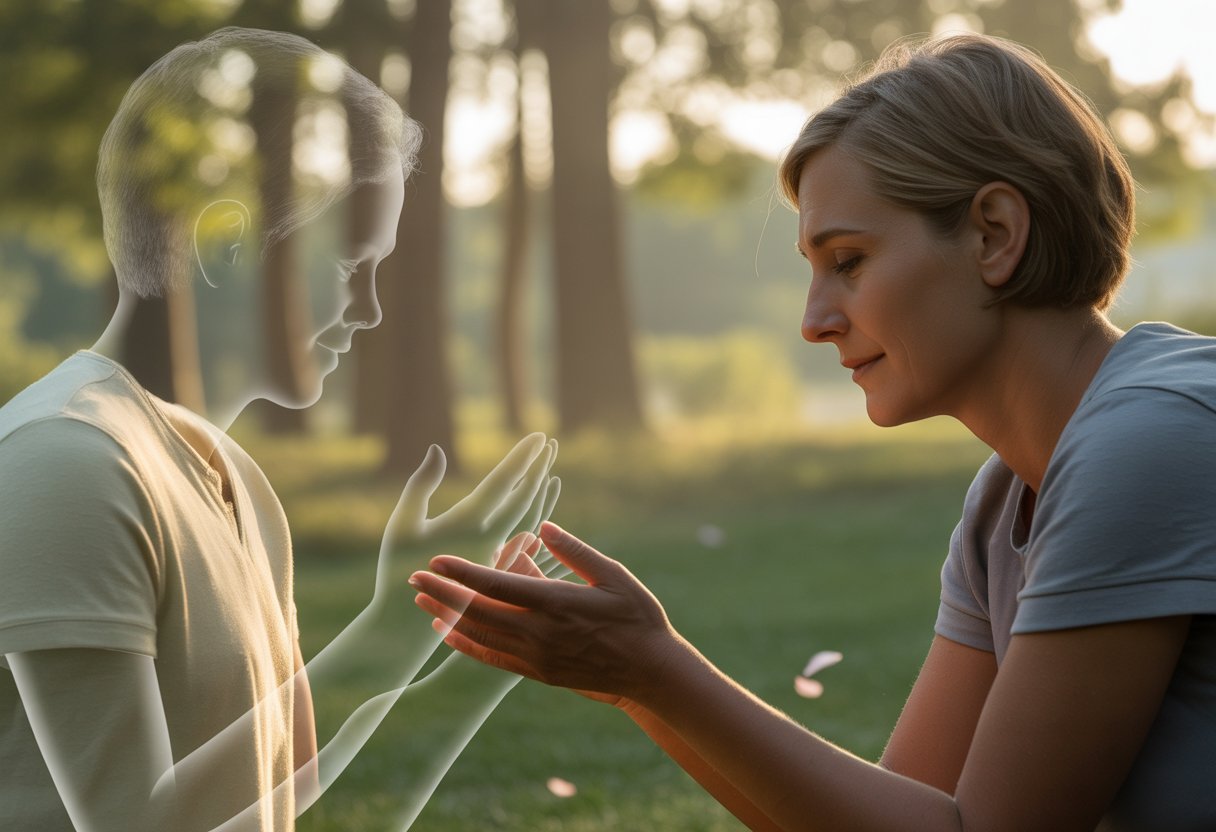
    A person reaching out to a glowing, translucent figure of a deceased loved one in a peaceful forest clearing during golden hour.

    Dreamers often follow specific patterns in their dreams about deceased loved ones that reflect their emotional state and relationship with the person who passed away. These scenarios range from peaceful reunions to unresolved conversations that hold deep psychological meaning.

    Nostalgic Memories

    Many dreamers vividly recreate cherished moments shared with their deceased loved one. These dreams transport people back to familiar settings like childhood homes, family gatherings, or special occasions.

    Common nostalgic dream elements include:

    • Holiday celebrations with the deceased present
    • Everyday activities like cooking together or watching TV
    • Childhood scenes recreated in perfect detail
    • Family traditions playing out as they once did

    People often experience these dreams when they miss specific aspects of their relationship. The mind recreates happy times to provide comfort during grief.

    The nostalgic elements serve as emotional bridges and connect present feelings with past experiences. This process helps people handle the reality of loss while honoring positive memories.

    Arguments or Conflicts

    Dreamers frequently revisit unresolved conflicts with deceased loved ones. The subconscious mind uses these scenarios to work through unresolved feelings or current life situations.

    These conflict dreams often involve:

    • Heated discussions about past disagreements
    • Accusations or blame directed either way
    • Attempts at reconciliation that feel incomplete
    • Expressions of anger previously held back

    The deceased person might appear upset or disappointed in the dreamer. Sometimes the dreamer confronts the deceased about their death or abandonment.

    Processing anger and guilt through dreams helps achieve emotional healing. The mind expresses feelings that couldn’t be shared while the person was alive.

    Reassuring or Comforting Encounters

    Dreams that bring comfort and opportunities for healing are among the most valued experiences for grieving individuals. The deceased loved one appears peaceful, happy, and often communicates that they are safe.

    Typical comforting dream features include:

    • Warm embraces or physical affection
    • Peaceful expressions on the deceased person’s face
    • Messages of love and reassurance
    • Guidance for current life challenges

    The deceased might appear younger or healthier than at the time of death. They often smile, laugh, or show contentment.

    Many people wake from these dreams with reduced anxiety about their loved one’s wellbeing. The comfort extends beyond the dream itself and provides lasting emotional relief.

    Wishes and Unexpressed Words

    Dreams often create opportunities to share thoughts and feelings left unspoken before death. These scenarios fulfill the need for closure and final communication.

    Common unexpressed word themes:

    • “I love you” declarations never made
    • Apologies for past mistakes or hurt
    • Important life updates the deceased missed
    • Requests for forgiveness or understanding

    The dreamer might share major life events like marriages, births, or achievements. Sometimes the deceased responds with pride, advice, or approval.

    These dreams allow both parties to express previously hidden emotions. This communication, though occurring in sleep, provides genuine psychological relief and helps the grieving process move forward.

    How to Reflect and Interpret Your Own Dreams

    A person sitting by a window looking thoughtfully outside with a faint, gentle figure of an elderly loved one appearing in the garden.

    Interpreting dreams about deceased loved ones requires careful attention to personal patterns, life circumstances, and emotional details. These elements reveal meaningful insights about grief, healing, and connection.

    Recognizing Personal Patterns

    Dream patterns often reveal important messages about unresolved feelings or ongoing connections. Dreamers should track when these dreams occur most frequently.

    Many people notice these dreams happen during anniversaries, holidays, or stressful periods. Keeping a dream journal helps identify these timing patterns.

    Common dream patterns include:

    • Dreams appearing during major life changes
    • Recurring conversations with the same person
    • Similar settings or activities in multiple dreams
    • Dreams that happen on significant dates

    The frequency of dreams also matters. Daily dreams might indicate active grief processing, while occasional dreams could signal specific messages or comfort.

    Pay attention to how the deceased person appears. Are they young or old? Happy or concerned?

    Changes in dream patterns over time show healing progress. Early grief dreams might feel intense, while later dreams often bring more peace.

    Considering Current Life Circumstances

    Life events often trigger dreams about deceased loved ones. Dreams help process trauma and maintain connection with those who have passed.

    Major life circumstances that prompt these dreams:

    • Job changes or career decisions
    • Relationship milestones or problems
    • Health concerns or medical procedures
    • Moving to a new home
    • Family conflicts or celebrations

    The deceased person might appear during times when their guidance would be most valued. A grandmother might appear before a wedding, or a father figure during career struggles.

    Consider what advice the person would give in waking life. Dreams often reflect the dreamer’s own wisdom channeled through familiar voices.

    Stressful periods commonly bring comfort dreams. The deceased may appear to offer reassurance during difficult times.

    Current emotions also shape dream content. Feeling lonely might prompt dreams of companionship, while feeling lost could bring guidance dreams.

    Emotional Clues in Dream Details

    Dream emotions provide the most important clues for interpreting meaning. The feelings experienced during and after the dream matter more than specific events.

    Key emotional indicators:

    • Peaceful dreams often signal acceptance and healing
    • Anxious dreams might indicate unresolved guilt or fear
    • Joyful dreams frequently represent love and connection
    • Sad dreams could show ongoing grief work

    Physical sensations in dreams carry meaning too. Hugs might represent comfort, while the deceased person walking away could indicate letting go.

    The deceased person’s emotional state reveals different messages. A happy, peaceful appearance often brings comfort and closure.

    Notice the dream’s overall mood. Bright, warm settings typically indicate positive messages, while dark or cold environments might suggest unfinished business.

    The dreamer’s response to seeing the deceased person matters greatly. Surprise might indicate unexpected healing, while natural acceptance could show spiritual connection.

    Words spoken in dreams deserve special attention. Direct advice or comfort often reflects the dreamer’s inner wisdom or need for guidance.

    Coping With Ongoing Dreams and Moving Forward

    Dreams of deceased loved ones can continue for months or years after loss. Learning when to seek support, developing healthy processing methods, and finding ways to honor memories while living fully are important steps in healing.

    When to Seek Support

    Distressing dreams that interfere with daily functioning may require professional attention. Grief therapy can offer support and guidance for those struggling with vivid or disturbing dreams.

    Signs that indicate professional help may be beneficial:

    • Nightmares that prevent restful sleep for weeks
    • Dreams that trigger panic attacks or severe anxiety
    • Avoiding sleep due to fear of dreaming
    • Dreams that feel traumatic or distressing repeatedly

    Grief counselors understand the complexity of bereavement dreams and can provide tools to process difficult emotions safely.

    Some people benefit from dream therapy specifically. This approach helps individuals explore the meanings behind their dreams and develop coping strategies.

    Healthy Ways to Process Loss

    Keeping a dream journal helps capture and reflect on dreams, enabling deeper understanding and emotional processing. Writing down dreams immediately upon waking preserves important details that fade quickly.

    Effective processing techniques include:

    • Dream journaling: Record dreams, emotions, and any messages received
    • Meditation: Practice mindfulness to reduce anxiety around dreams
    • Art therapy: Draw or paint images from dreams to explore feelings
    • Talking: Share dreams with trusted friends, family, or support groups

    Accepting both comforting and difficult dreams as part of healing allows for natural emotional progression.

    Some find comfort in viewing dreams as continued connections with loved ones. Others see them as the mind’s way of processing loss.

    Integrating Memories Into Daily Life

    Creating meaningful rituals around dream experiences helps transform them into sources of comfort. Simple practices can honor the relationship while supporting forward movement.

    Practical integration methods:

    • Light a candle after particularly meaningful dreams
    • Plant flowers or trees in memory of positive dream encounters
    • Create photo albums or memory books inspired by dream visits
    • Establish charitable giving in the loved one’s name

    Dreams can make a creative bridge to the future while maintaining inner relationships with the deceased.

    Setting boundaries around dream sharing protects emotional well-being. Choose carefully who to tell about significant dreams and when to keep them private.

    Some people find that talking to the deceased person during waking hours reduces the intensity of dreams. Others prefer to let dreams occur naturally without trying to control them.

    Frequently Asked Questions

    Dreams about deceased loved ones often carry deep emotional and spiritual significance that varies across cultures and belief systems. These nocturnal encounters can occur months or even years after a person’s passing, frequently containing meaningful conversations or symbolic messages.

    What is the spiritual meaning behind dreaming of a deceased loved one?

    Many spiritual traditions view these dreams as connections between the physical and spiritual worlds. The deceased may appear to offer comfort, guidance, or reassurance during difficult times.

    Spiritual beliefs suggest these dreams serve as bridges between realms. They often bring peace to grieving individuals.

    Some interpret these dreams as the soul’s way of maintaining bonds with loved ones. The spiritual presence may feel incredibly real and vivid.

    Can dreaming of a deceased loved one indicate a message from beyond?

    Visitation dreams often feel emotionally intense, and deceased loved ones may provide guidance or warnings. These dreams feel distinctly different from regular dreams.

    A key sign of a true visitation occurs when the deceased shares unknown information that proves accurate. The person typically appears healthy and radiant in these encounters.

    These spiritual messages often come during times of transition or personal challenges. They may offer wisdom or encouragement when needed most.

    What does it signify when you dream about a deceased loved one years after their passing?

    Dreams occurring years later often relate to unresolved emotions or current life situations. They may surface during anniversaries, holidays, or major life changes.

    The subconscious mind may summon these dreams when facing similar challenges the deceased once experienced. This can provide comfort or guidance during uncertain times.

    Long-term grief dreams sometimes indicate ongoing emotional processing. The mind continues working through loss even years after death.

    How do various religious beliefs interpret dreams about deceased loved ones?

    Different faiths offer varying perspectives on these spiritual encounters. Some view them as actual visits from the afterlife.

    Christianity often interprets these dreams as God’s way of providing comfort during grief. The deceased may appear as messengers of divine peace.

    Eastern religions frequently see these dreams as evidence of continuing spiritual connections. The soul’s journey continues beyond physical death.

    Indigenous traditions often honor these dreams as sacred communications. Ancestors may share wisdom or warnings through dream visits.

    What could it mean when a deceased loved one talks to you in a dream?

    Conversations in dreams often reflect the dreamer’s need for guidance or closure. The deceased may address unfinished business or unspoken words.

    Research shows these dreams help process trauma and maintain emotional connections. They serve important psychological functions during grief.

    The content of conversations may reveal the dreamer’s inner thoughts or concerns. Words spoken often carry personal significance or meaning.

    Are there common themes or patterns in dreams about loved ones who have passed away?

    Three main types of grief dreams exist: those without the deceased present, reunion dreams, and message dreams.

    Each type serves a different emotional purpose.

    Reunion dreams typically show normal interactions between the dreamer and deceased.

    These dreams feel comforting and natural.

    Water often symbolizes emotions while bridges represent transitions in these dreams.

    Common symbols carry universal meanings.

    The deceased often appears healthy and at peace.

    This image brings comfort to grieving dreamers and suggests spiritual well-being.

  • What Dreaming of Death Really Means Spiritually

    What Dreaming of Death Really Means Spiritually

    Dreams about death can deeply unsettle people and leave them wondering if the dreams carry dark meanings or predictions.

    Many individuals wake up from these vivid dreams feeling anxious or confused about what their subconscious might be trying to communicate.

    A solitary person stands by a misty lake at sunset, surrounded by autumn leaves and soft light, looking towards the horizon.

    Death dreams rarely predict actual death but instead symbolize transformation, major life changes, or the end of one phase and the start of another.

    These dreams often reflect the dreamer’s psychological state, unresolved emotions, or significant transitions occurring in their waking life.

    The meaning can vary depending on who dies in the dream, how the death occurs, and the emotions felt during the experience.

    Understanding the psychological and symbolic meanings behind death dreams can help people process these intense experiences.

    Exploring cultural interpretations and common dream scenarios provides valuable insight into the workings of the mind during sleep.

    What Does It Mean to Dream About Death?

    Death dreams represent deep psychological processes like transformation, fear, and personal growth.

    These dreams often reflect major life changes or the mind’s way of processing difficult emotions.

    Common Symbolism and Metaphors

    Dreams about death typically symbolize endings and new beginnings rather than literal death.

    The subconscious uses death as a metaphor for significant changes happening in someone’s life.

    When a person dreams of their own death, they often feel like they’re making too many sacrifices without recognition.

    It can also signal the need to end unhealthy habits or prioritize themselves.

    Death dreams can relate to many different aspects of life, including the ending of important phases or overcoming bad habits.

    An old person dying in a dream might represent shedding destructive patterns.

    A child’s death in dreams often suggests the need to act more responsibly.

    Parents frequently dream of their children dying when the kids are leaving home, symbolizing the end of childhood.

    Common death dream symbols include:

    • Death of spouse = lacking qualities the partner possesses
    • Death of sibling = not spending enough time with family
    • Finding a dead body = feeling detached from changes around them
    • Unknown person dying = changes happening without personal involvement

    Personal Transformation and Change

    Dreams about death may indicate significant life changes or struggles with major transitions.

    These dreams often appear during periods of personal growth or when someone is ready to leave old patterns behind.

    Death in dreams frequently represents psychological transformation.

    The mind uses death imagery to process the “death” of old versions of oneself and the birth of new identities.

    Many people experience death dreams during major transitions like changing jobs, ending relationships, or moving to new places.

    The dream reflects the psychological process of letting go of familiar situations.

    Dreams of killing someone often indicate that guilty feelings or bad judgment from the past are returning to cause distress.

    This represents the need to confront and resolve past mistakes.

    Fear and Anxiety Reflected in Death Dreams

    Death dreams are particularly common in people prone to anxiety and depression, especially when they regularly dream of their own deaths.

    These dreams often use familiar symbols and substitute them with death imagery.

    Dreams of parents dying when they’re still alive typically reflect unconscious worries about losing them in the future.

    This fear becomes stronger when parents are elderly or facing health issues.

    Anxiety-related death dreams often feature:

    • Violent or frightening deaths
    • Recurring nightmares about dying
    • Dreams about loved ones being in danger
    • Feeling helpless during the death scene

    Recurring dreams about violent or frightening death could indicate unresolved fears or internal conflicts.

    These dreams persist until the underlying anxiety is addressed.

    Fear of death dreams sometimes reflect broader anxieties about loss of control, major life changes, or feelings of vulnerability.

    The mind processes these fears through death imagery during sleep.

    Dreams about already deceased people can warn that someone is being influenced by wrong people in their life.

    They may also signal that unresolved situations need closure.

    Psychological Interpretations of Death Dreams

    Psychologists view death dreams as the mind’s way of processing complex emotions and life changes.

    These dreams often surface during periods of stress, loss, or significant transitions when the subconscious needs to work through difficult feelings.

    Processing Grief or Loss

    Death dreams frequently appear when someone is processing grief and loss after losing a loved one.

    The mind uses these dreams to work through the stages of mourning.

    Dreams about deceased family members or friends often feel extremely real.

    The dreamer might have conversations with the dead person or see them in familiar settings.

    Common grief-related dream patterns include:

    • Conversations with the deceased offering comfort
    • The dead person appearing healthy and at peace
    • Recreating memories from when they were alive
    • The deceased giving advice or guidance

    These dreams serve as a bridge between the conscious mind struggling with loss and the need for emotional healing.

    They allow people to maintain a connection with loved ones who have passed away.

    The brain processes unresolved feelings through these vivid encounters.

    Many people report feeling comforted after dreaming of deceased relatives, suggesting the dreams fulfill an important psychological function.

    Coping With Major Life Transitions

    Death dreams often occur during major life changes when old patterns must “die” for new ones to emerge.

    The mind uses death symbolism to represent the end of one life phase and the beginning of another.

    Transitions that commonly trigger death dreams:

    • Career changes or job loss
    • Divorce or relationship endings
    • Moving to a new city
    • Children leaving home
    • Retirement

    Dreams about one’s own death rarely predict actual death.

    Instead, they represent the psychological death of an old identity.

    Someone starting a new career might dream of their former professional self dying.

    Dreams about death during transitions help the mind process anxiety about change.

    The fear of losing familiar aspects of life gets expressed through death imagery.

    These dreams can also represent personal growth.

    The subconscious acknowledges that transformation requires letting go of outdated beliefs or behaviors.

    Unresolved Emotions and Internal Conflict

    Death dreams sometimes reveal suppressed emotions or internal conflicts that need attention.

    The mind creates dramatic scenarios to force the dreamer to confront difficult feelings.

    Dreams about killing someone might represent anger toward that person in real life.

    The dreamer’s conscious mind might not acknowledge these hostile feelings directly.

    Emotional conflicts expressed through death dreams:

    • Anger – Dreams of violence or murder
    • Guilt – Dreams of being killed as punishment
    • Fear – Dreams of random or sudden death
    • Shame – Dreams of public or embarrassing death

    People with post-traumatic stress disorder often experience recurring death dreams related to their trauma.

    These nightmares replay threatening situations as the brain attempts to process the overwhelming experience.

    Dream interpretation requires careful consideration of the dreamer’s personal circumstances and emotional state.

    The specific details and feelings in the dream provide clues about which internal conflicts need resolution.

    Fear of death itself can manifest in death dreams, especially during times of illness or aging.

    These dreams help people gradually confront mortality anxiety in a safe mental space.

    Common Types of Death Dreams

    Death dreams take many forms, from experiencing your own death to witnessing the death of family members or strangers.

    Dreams about death are fairly common and typically represent transformation, unresolved emotions, or major life changes.

    Dreaming About Your Own Death

    Dreams where you experience your own death often feel intense and frightening.

    These dreams rarely predict actual death.

    Instead, they usually signal major personal changes or transformations happening in your life.

    Your own death in dreams can represent the end of one phase and the beginning of another.

    This might include changing jobs, ending relationships, or moving to a new place.

    Some people dream about dying during stressful periods.

    The dream may show your fears about losing control or feeling overwhelmed by life circumstances.

    Common scenarios include:

    • Being killed by someone else
    • Dying from illness or accident
    • Experiencing a peaceful death
    • Dying and watching your own funeral

    These dreams can also reflect anxiety about aging or health concerns.

    They sometimes occur when people feel stuck and need to make significant changes.

    Dreaming of a Loved One’s Death

    Dreaming about the death of family members or close friends creates strong emotional reactions.

    These dreams typically reflect your relationship with that person rather than any real danger to them.

    Dreams may indicate a current struggle with grief or fear of losing someone important.

    They can also represent changes in your relationship with that person.

    Sometimes these dreams occur when you feel distant from a loved one.

    The death might symbolize the end of a particular dynamic between you both.

    These dreams might mean:

    • Fear of abandonment or loss
    • Unresolved conflicts with that person
    • Changes in your relationship
    • Processing grief from past losses

    Parents often dream about their children dying during times of stress or major life transitions.

    These dreams usually reflect parenting anxieties rather than actual threats.

    Recurring Death Dreams

    Recurring death dreams may signal unresolved trauma, anxiety, or mental health concerns.

    When the same death-related dream happens repeatedly, it often indicates unfinished emotional business.

    These dreams demand attention because your subconscious is trying to process something significant.

    The repetition means the underlying issue remains unresolved.

    Common patterns include:

    • The same person dying repeatedly
    • Dying in the same way each time
    • Similar death scenarios with minor variations
    • Increasing intensity over time

    Recurring dreams about death frequently connect to major life stress, trauma, or depression.

    They may continue until you address the underlying emotional issues causing them.

    Professional help can be valuable when these dreams interfere with sleep quality or daily functioning.

    Death of Strangers or Unknown People

    Dreams featuring the death of strangers or unknown people often represent aspects of yourself or your life situation.

    These mysterious figures typically symbolize parts of your personality or life circumstances.

    The stranger’s death might represent letting go of old habits, beliefs, or ways of thinking.

    It can signal that you’re ready to abandon outdated parts of yourself.

    These dreams often symbolize:

    • Ending bad habits or negative patterns
    • Letting go of limiting beliefs
    • Releasing fear or anxiety
    • Personal growth and development

    Sometimes the unknown person represents opportunities or possibilities that are ending.

    The death shows that certain paths are no longer available to you.

    These dreams can feel less emotionally intense than dreams about people you know.

    However, they still carry important messages about personal transformation and change.

    Symbolic Representations in Death Dreams

    A person sleeping peacefully in a dimly lit bedroom with symbolic elements like an hourglass, feather, raven silhouette, and clock floating above them, under a night sky with a crescent moon.

    Death dreams contain powerful symbols that carry specific meanings beyond the literal act of dying.

    These symbolic elements help decode deeper messages about transformation, endings, and personal growth that the subconscious communicates through death dreams.

    Funerals and Burials

    Funeral dreams represent the formal end of a life chapter or relationship. The ceremony symbolizes acceptance of change and the need to honor what is ending.

    When people attend a funeral in a dream, they often process grief or loss. This could involve mourning the end of a job, friendship, or personal identity.

    The funeral setting gives the mind a safe space to work through these feelings.

    Key funeral symbols include:

    • Flowers – represent beauty in endings and memories
    • Caskets – symbolize containing or hiding emotions
    • Mourning clothes – indicate formal recognition of loss

    Burial dreams focus on letting go completely. Burying something in a dream means putting it to rest permanently.

    This symbol appears when the dreamer needs to stop holding onto past hurts or outdated beliefs.

    Dreams of being buried alive suggest feeling trapped or overwhelmed in waking life. The earth covering the dreamer stands for pressures or responsibilities that feel suffocating.

    Dead Bodies and Cemeteries

    Dead bodies in dreams rarely represent actual death. They symbolize parts of the self that have died or need to die for growth to occur.

    Seeing your own dead body signals major personal transformation. The old version of yourself is gone, making room for new growth.

    Common dead body symbols:

    • Decomposition – natural process of releasing the old
    • Peaceful appearance – acceptance of necessary change
    • Disturbing appearance – resistance to transformation

    Cemetery dreams represent the resting place of past experiences. Walking through a graveyard means reviewing old memories or relationships that have ended.

    Cemeteries can feel peaceful or frightening in dreams. Peaceful cemetery dreams indicate healthy processing of loss.

    Scary cemetery dreams suggest unresolved grief or fear of change.

    Talking to the Deceased

    When people talk to dead individuals in dreams, these conversations often provide guidance or closure. Such interactions represent the dreamer’s inner wisdom or unfinished emotional business.

    Speaking with deceased family members typically reflects the ongoing influence of their teachings or values. The conversation content reveals what guidance the dreamer seeks.

    These dreams can bring comfort during difficult decisions.

    Types of deceased conversations:

    • Receiving advice – accessing inner wisdom
    • Saying goodbye – finding closure
    • Arguing – working through guilt or regret

    When dead strangers offer advice, they represent the dreamer’s higher self or intuition. The stranger’s words often contain important insights about current life situations.

    Happy deceased figures in dreams suggest the dreamer has processed their loss. Sad or angry deceased figures may indicate unresolved grief needing attention in waking life.

    Emotional Impact and Aftereffects of Death Dreams

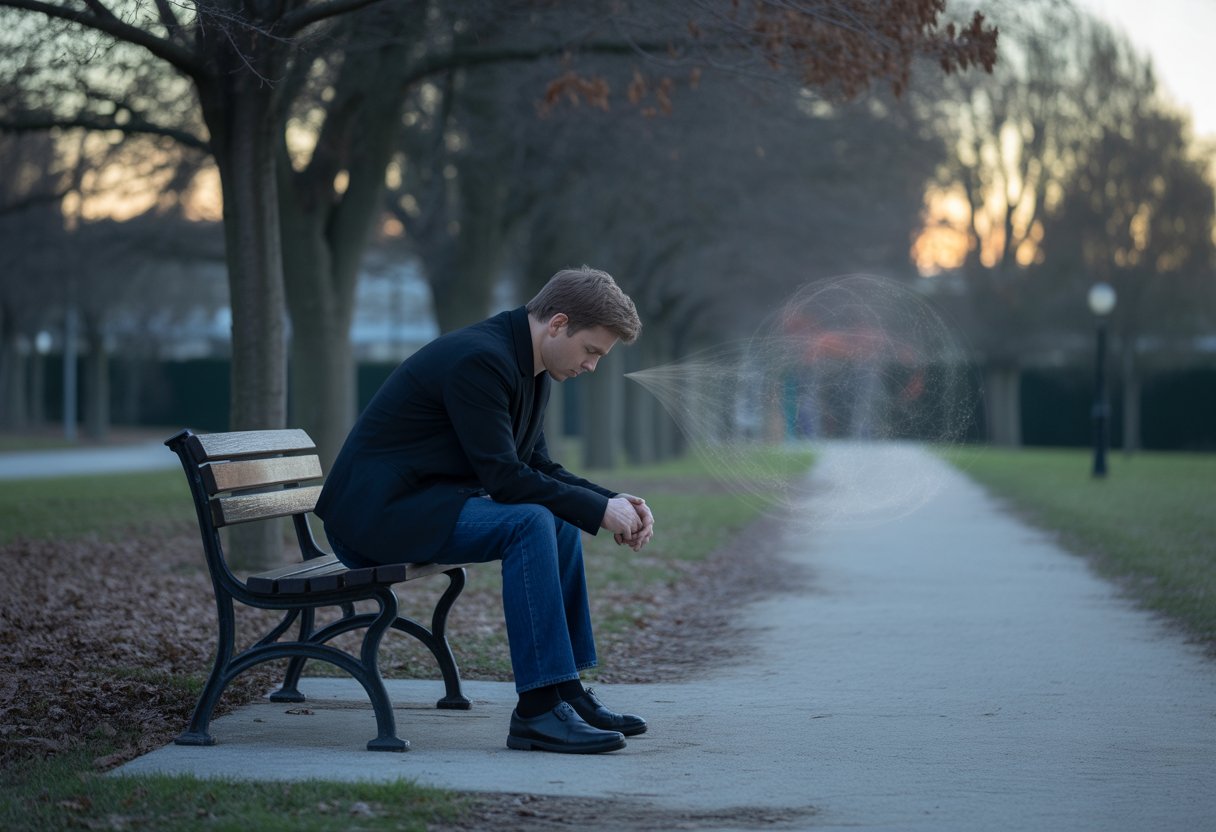
    A person sitting alone on a park bench at twilight, looking thoughtful and somber, surrounded by bare trees and fallen leaves along a quiet pathway.

    Death dreams can trigger intense emotional responses that persist long after waking. These dreams often cause jarring reactions that wake people up with pounding hearts and adrenaline rushes, leading to lasting fear, mood changes, and physical symptoms.

    Lingering Fear or Anxiety

    Death dreams frequently leave people with persistent worry about their own mortality or the safety of loved ones. The vivid nature of these dreams makes them feel real and threatening.

    Many people check on family members after death dreams. They may call relatives or friends to ensure everyone is safe.

    This behavior happens because the brain struggles to distinguish between dream experiences and reality immediately after waking.

    Fear of death becomes more prominent in daily thoughts. Simple activities like driving or crossing streets may trigger anxiety.

    People may avoid situations that remind them of the dream content.

    Some individuals develop sleep anxiety, fearing they will have similar dreams again. This creates a cycle where worry about dreaming prevents restful sleep.

    The lack of quality rest can make future dreams more intense and disturbing.

    Behavioral and Mood Changes

    People often experience mood shifts that last several hours or days after death dreams. Common changes include increased irritability, sadness, or emotional numbness.

    Daily routines may become disrupted as the person processes the dream’s emotional content. They might avoid certain activities, places, or people that appeared in the dream.

    Work performance and social interactions can suffer during this adjustment period.

    Some individuals become more protective of loved ones. They may express affection more openly or spend additional time with family members.

    Others withdraw socially, needing space to process their emotions.

    Decision-making abilities can be temporarily impaired. The emotional weight of the dream makes it difficult to focus on routine tasks.

    This fog typically clears within 24-48 hours for most people.

    Physical Responses During and After the Dream

    Death dreams can cause jarring physical reactions that wake people abruptly. Common immediate responses include:

    • Rapid heartbeat and elevated blood pressure
    • Sweating and difficulty regulating body temperature
    • Muscle tension in the neck, shoulders, and jaw
    • Shallow breathing or feeling breathless

    These physical symptoms often continue for 10-30 minutes after waking. The body remains in a heightened state of alertness, making it difficult to return to sleep.

    Headaches can develop from the sudden adrenaline surge and muscle tension. Some people experience nausea or stomach discomfort.

    These symptoms result from the stress hormones released during the intense dream experience.

    Fatigue may persist throughout the following day, even if the person eventually falls back asleep. The quality of remaining sleep is often poor due to continued anxiety and physical tension.

    Cultural Perspectives on Dreaming of Death

    Different cultures view death dreams in vastly different ways, from fearful omens in Western societies to positive symbols of transformation in Eastern traditions. These cultural beliefs provide frameworks for dream interpretation that shape how people understand their nocturnal experiences.

    Western Interpretations

    In Western cultures, death often represents a taboo subject that creates fear and discomfort. This cultural attitude strongly influences how people interpret death dreams.

    Fear-Based Interpretations

    Most Western interpretations focus on anxiety and loss. Dreams about death commonly represent:

    • Fear of losing control
    • Unresolved grief
    • Concerns about mortality
    • Psychological conflicts

    Psychological Analysis

    Western psychology views death dreams as symbolic rather than literal. Freudian analysis suggests these dreams represent repressed desires or internal conflicts.

    Many Western psychologists believe death dreams signal necessary psychological transformations or prompt self-reflection about life choices.

    The individualistic nature of Western society makes people focus on personal fears and anxieties when interpreting these dreams.

    Eastern and Indigenous Views

    Eastern philosophies and indigenous cultures approach death dreams with acceptance rather than fear. These traditions view death as part of natural cycles.

    Eastern Philosophy

    Buddhism and Hinduism teach that death represents transition, not ending. Eastern beliefs see death dreams as symbols of renewal and spiritual growth.

    Key Eastern interpretations include:

    • Rebirth and continuity – Death marks transformation to another state
    • Letting go – Dreams encourage releasing attachments
    • Spiritual growth – Death represents personal evolution

    Indigenous Perspectives

    Many indigenous cultures view death dreams as spiritual connections. These dreams provide opportunities to connect with ancestors or receive guidance from spiritual realms.

    Indigenous interpretations emphasize community bonds and healing rather than individual fear.

    Spiritual and Religious Beliefs

    Religious traditions offer unique frameworks for understanding death dreams. These beliefs often provide comfort and meaning to dreamers.

    Christianity and Western Religions

    Christian interpretations vary but often focus on spiritual preparation or divine messages. Some view death dreams as calls for repentance or spiritual growth.

    African and Latin American Traditions

    Some African cultures interpret death dreams as warning signs that encourage addressing unresolved issues. Latin American traditions, influenced by both Catholicism and indigenous beliefs, often view dreams about deceased relatives positively.

    Modern Spiritual Movements

    Contemporary spiritual practices blend multiple traditions. Many people now combine Western psychology with Eastern spirituality when interpreting their death dreams.

    This creates hybrid interpretations that view death dreams as both personal growth opportunities and spiritual messages.

    Managing and Coping With Disturbing Death Dreams

    People can manage death dreams through practical stress reduction techniques and knowing when to seek professional support. Some may require therapy if dreams persist or interfere with daily life.

    Stress Management Tips

    Dream journaling helps identify patterns and triggers in death dreams. People should write down their dreams immediately after waking to capture details.

    This practice can reveal connections between daily stress and disturbing dreams about death.

    Relaxation techniques before bed reduce the likelihood of intense dreams. Effective methods include:

    • Deep breathing exercises for 5-10 minutes
    • Progressive muscle relaxation
    • Meditation or mindfulness practice
    • Reading calming material

    Sleep hygiene improvements create better rest conditions. People should maintain consistent bedtimes and avoid screens one hour before sleep.

    Stress reduction during the day prevents anxiety from carrying into sleep. Regular exercise, limiting caffeine, and managing work stress all contribute to calmer nights.

    For those with recurring dreams about death, visualization before sleep can help. They can imagine peaceful scenarios to replace disturbing images.

    When to Seek Professional Help

    Persistent disturbing dreams that continue for weeks require professional attention. Mental health professionals experienced in dream interpretation can provide specialized guidance.

    Daily life interference signals the need for therapy. This includes avoiding sleep, difficulty concentrating at work, or relationship problems caused by dream-related anxiety.

    Trauma-related death dreams often need professional treatment. People who have experienced loss or traumatic events may develop post-traumatic stress disorder, which requires specialized care.

    Warning signs that indicate immediate help is needed:

    • Panic attacks related to sleep
    • Depression or hopelessness
    • Avoiding sleep for multiple days
    • Physical symptoms like headaches or stomach problems

    Therapists can teach coping strategies and address underlying anxiety or grief causing the dreams.

    Frequently Asked Questions

    Death dreams carry different meanings depending on who dies in the dream and the dreamer’s relationship to that person. These dreams often reflect personal transformation, emotional processing, and spiritual growth rather than literal predictions.

    What is the significance of dreaming about the death of a loved one?

    Dreams about a loved one’s death typically represent fear of loss or changes in the relationship. The dreamer may worry about losing someone important in their life.

    These dreams can also mean the relationship itself is changing. Perhaps the connection is growing stronger or moving in a new direction.

    Sometimes these dreams help people process grief if the loved one has already died. The mind uses dreams to work through complex emotions about loss.

    How can dreams about someone else’s death be interpreted?

    When someone dreams about another person’s death, it often reflects the dreamer’s feelings about that person. The dream may show hidden anger, concern, or unresolved issues.

    These dreams can represent the end of a particular dynamic with that person. The relationship might be shifting or certain behaviors might be changing.

    Dreams about someone else’s death can indicate significant life changes the dreamer is experiencing. The other person’s death symbolizes transformation in the dreamer’s own life.

    What are the spiritual implications of experiencing death in a dream?

    Death dreams often carry spiritual meanings that reflect transformation and new beginnings rather than actual mortality. They represent the closing of one life chapter and the opening of another.

    These dreams can signal spiritual awakening or personal growth. The dreamer may be ready to let go of old beliefs or patterns that no longer serve them.

    Many spiritual traditions view death dreams as signs of renewal. They indicate the dreamer is moving toward a higher level of consciousness or understanding.

    What does it mean when you dream about your own death?

    Dreams about one’s own death usually symbolize major personal transformation. The dreamer may be going through significant changes in their identity or life circumstances.

    These dreams can represent the end of old habits or thought patterns. The person might be ready to leave behind behaviors that hold them back.

    Self-death dreams often occur during times of transition. Moving to a new city, changing jobs, or ending relationships can trigger these dreams.

    Are early morning dreams about death symbolic of something in waking life?

    Early morning dreams tend to be more vivid and memorable than dreams at other times. Death dreams during this period often feel more significant to the dreamer.

    These dreams may reflect thoughts or worries that surface as the person prepares to wake up. The mind processes recent events and concerns through dream imagery.

    Morning death dreams can represent fresh starts or new perspectives. They might signal readiness for change as the dreamer begins a new day.

    Does dreaming about the death of a family member have a special meaning?

    Family member death dreams often reflect family dynamics or the dreamer’s role within the family structure.

    These dreams can show fears about family changes or conflicts.

    Dreams about a parent’s death might represent growing independence or fear of losing guidance.

    The dreamer may feel ready to take on more adult responsibilities.

    Sibling death dreams can indicate rivalry or competition within the family.

    They might also show the dreamer’s desire to stand out or be noticed more by parents.

  • Dream About Snakes: Meanings, Interpretations, and Symbolism

    Dream About Snakes: Meanings, Interpretations, and Symbolism

    Dreams about snakes rank among the most common and powerful dream experiences people have worldwide. Snakes appear in the top 3-5 animals that show up in dreams, making them a universal symbol that crosses cultures and belief systems.

    These slithering creatures can leave dreamers feeling confused, frightened, or deeply curious about their meaning.

    A misty forest at dawn with several snakes of different types moving among mossy rocks and leaves.

    Snake dreams typically symbolize transformation, hidden fears, rebirth, or significant life changes that need attention. The snake’s behavior, color, size, and the dreamer’s personal feelings during the experience all influence the interpretation.

    Some people view these dreams as positive signs of growth and renewal. Others see them as warnings about potential dangers or toxic situations in their waking life.

    Understanding snake dreams requires looking at both universal symbolism and personal context. The same dream can mean different things for different people based on their cultural background, life experiences, and current circumstances.

    By exploring the psychological and spiritual aspects of these dreams, along with specific details like snake colors and behaviors, dreamers can gain valuable insights into their subconscious mind and current life situation.

    What Does It Mean to Dream About Snakes?

    https://www.youtube.com/watch?v=XX6afYoSu002du002dw

    Snake dreams trigger strong emotional responses and carry personal meaning that varies from person to person. The way dreamers react to these dreams and their individual life experiences shape how they interpret the symbolic messages.

    Common Reactions to Snake Dreams

    Most people wake up feeling disturbed or anxious after dreaming about snakes. Fear is the most typical first reaction.

    Many dreamers feel their heart racing or experience lingering unease throughout the day. Some people feel curious rather than scared and wonder what their subconscious mind is trying to tell them through the snake imagery.

    Physical responses include:

    • Waking up suddenly
    • Increased heart rate
    • Sweating or feeling hot
    • Difficulty falling back asleep

    Others report feeling fascinated by the dream, especially when the snake appears calm or beautiful. The dreamer’s cultural background affects their reaction too.

    People from cultures that view snakes as sacred often feel less frightened.

    Role of Personal Associations

    Each person’s relationship with snakes in real life impacts their dream meaning. Someone who keeps pet snakes will interpret snake dreams differently than someone with a snake phobia.

    Childhood experiences matter greatly. A person bitten by a snake as a child may see snake dreams as warnings about danger.

    Personal factors that influence interpretation:

    • Past encounters with real snakes
    • Religious or cultural beliefs
    • Current life challenges
    • Personality traits
    • Family stories about snakes

    The dreamer’s current life situation also shapes the meaning. Someone going through a major life change might see the snake as a symbol of growth.

    A person dealing with deception may view it as a warning about dishonest people.

    Emotional Impact and Responses

    The emotions felt during the dream provide important clues about its meaning. Fear-based snake dreams often point to anxiety about unknown situations or hidden threats.

    Dreams where the snake feels peaceful suggest healing or positive transformation. The dreamer may be ready to shed old habits or beliefs.

    Emotional states and their meanings:

    • Terror: Fear of change or hidden dangers
    • Calm: Acceptance of transformation
    • Anger: Frustration with toxic people
    • Curiosity: Openness to new insights

    The dream’s emotional tone helps determine whether the message is positive or negative. Many dreamers find that writing down their feelings immediately after waking helps them understand the dream’s message.

    The initial emotional response often holds the key to the dream’s personal significance. Some people experience recurring snake dreams when dealing with ongoing stress.

    The emotions tend to shift as the person works through their challenges in real life.

    Symbolism of Snakes in Dreams

    Snake dream meaning varies across cultures but centers on four main themes. Snakes represent transformation through skin-shedding, healing through ancient medical symbols, danger through biblical stories, and wisdom through spiritual traditions.

    Transformation and Renewal

    Snakes shed their skin completely as they grow. This natural process makes them powerful symbols of personal transformation in dreams.

    When someone dreams of a snake, it often signals major life changes ahead. The dreamer may be ready to leave behind old habits or relationships that no longer serve them.

    Dream interpretation experts note that snake dreams frequently occur during times of personal growth. A person changing careers might dream of snakes during their transition period.

    The shedding process represents letting go of the past. Just as snakes cannot grow without releasing their old skin, people must release outdated versions of themselves to evolve.

    Common transformation scenarios include:

    • Snake shedding skin = releasing old patterns
    • Multiple snakes = complex life changes
    • Large snake = major transformation coming

    Healing and Rebirth

    Ancient cultures linked snakes to medicine and healing. The Rod of Asclepius features a snake wrapped around a staff and remains a medical symbol today.

    Dreams about snakes can signal healing on emotional or physical levels. A person recovering from illness might dream of calm, peaceful snakes.

    The rebirth aspect connects to the snake’s ability to renew itself. Dreams of snakes emerging from water or earth often represent new beginnings after difficult periods.

    Healing snake dreams typically feel neutral or positive. The snake moves slowly and appears non-threatening to the dreamer.

    Healing dream elements:

    • Calm snake behavior = inner peace returning
    • Snake in water = emotional healing
    • Colorful snakes = vibrant health ahead

    Temptation and Danger

    Biblical traditions portray snakes as symbols of temptation and deception. This cultural influence shapes how many people interpret snake dreams today.

    Aggressive or attacking snakes in dreams may warn of real dangers. The dreamer might face betrayal from someone close or need to avoid a risky situation.

    Dreams featuring threatening snakes often reflect hidden fears or anxieties. A person avoiding confrontation might dream of snakes chasing them.

    The snake’s stealth and venom make it an ideal symbol for hidden threats. Someone dealing with workplace politics might dream of snakes in their office.

    Warning signs in snake dreams:

    Wisdom and Hidden Knowledge

    Many spiritual traditions view snakes as wise creatures with access to secret knowledge. Hindu kundalini energy takes the form of a coiled serpent representing spiritual awakening.

    Ancient Greek mythology connected snakes to wisdom and prophecy. The Oracle at Delphi kept sacred snakes that provided divine insights.

    Dreams symbols involving wise snakes often appear when someone needs guidance. The snake may lead the dreamer to important discoveries about themselves.

    These dreams encourage the person to trust their intuition. A snake moving in specific directions might guide the dreamer toward the right path.

    Wisdom snake characteristics:

    • Calm demeanor = inner knowing activated
    • Eye contact = direct spiritual message
    • Coiled position = potential wisdom waiting

    Psychological and Spiritual Interpretations

    Dreams about snakes carry deep meaning in both psychology and spiritual traditions. These powerful symbols represent everything from hidden fears to personal transformation across different belief systems and analytical frameworks.

    Jungian and Freudian Perspectives

    Carl Jung viewed snakes as archetypal symbols from the collective unconscious. He believed snake dreams often signal transformation and spiritual evolution happening within the dreamer’s psyche.

    Jung connected snakes to the process of individuation. This means the dreamer might be integrating hidden parts of their personality.

    The snake represents wisdom that comes from the unconscious mind. Sigmund Freud took a different approach to dream symbols.

    He often interpreted snakes as representations of repressed sexual desires or anxieties. According to Freud’s dream theories, the snake may be a symbol of suppressed sexual desires and emotions.

    Key Psychological Elements:

    • Shadow integration – accepting rejected parts of oneself
    • Repressed emotions – anger, fear, or desire coming to surface
    • Instinctual wisdom – trusting gut feelings and intuition

    Modern psychology also links snake dreams to anxiety and stress. The dreamer might feel threatened by something in their waking life.

    Spiritual Meanings Across Cultures

    Different cultures view snake symbolism in unique ways. The spiritual meaning of dreaming about snakes is highly subjective according to various cultures and belief systems.

    Eastern Traditions:

    • Hinduism – Kundalini energy rising through chakras
    • Buddhism – Cycle of death and rebirth
    • Chinese culture – Wisdom and healing powers

    Western Traditions:

    • Christianity – Temptation or evil influences
    • Greek mythology – Medicine and healing (Rod of Asclepius)
    • Celtic beliefs – Earth wisdom and fertility

    Many Native American tribes see snakes as powerful spirit guides. They represent the ability to shed old patterns and embrace new growth.

    The snake’s ability to move between worlds makes it a bridge between physical and spiritual realms. In some cultures, snakes, especially in medicine, are a symbol of healing and wholeness.

    This connects to personal transformation through healing old wounds.

    Snakes as Archetypes

    Snakes function as universal symbols that appear across human cultures. These archetypal meanings tap into shared human experiences and fears.

    The Transformer Archetype represents personal transformation and growth. Snakes renew themselves by shedding their skin, making them a symbol of transformation, rebirth, and spiritual evolution.

    The Wise Teacher Archetype connects to hidden knowledge and intuition. Snakes in dreams might guide the dreamer toward important insights.

    This wisdom often comes from facing fears or uncomfortable truths. The Guardian Archetype shows snakes as protectors of sacred knowledge.

    Ancient temples often featured snake guardians. In dreams, this might mean the dreamer is ready to access deeper wisdom.

    Common Archetypal Themes:

    • Death and rebirth cycles
    • Hidden knowledge and secrets
    • Primal instincts and survival
    • Fertility and creative energy

    Kundalini energy, according to many spiritual teachings, is represented by a spiral serpent energy. This archetypal energy represents awakening creative and spiritual potential within the dreamer.

    Types of Snake Dreams and Their Meanings

    A person sleeping peacefully surrounded by several calm snakes in a misty, natural setting.

    Different snake dreams carry unique messages about personal growth, fears, and life changes. Each type reveals specific insights about the dreamer’s emotional state and current life situation.

    Dreaming of Snake Attacks

    Snake attack dreams often signal feelings of vulnerability or emotional distress in waking life. When someone dreams of snake bites, it symbolizes vulnerability and emotional suffering.

    These dreams frequently occur when the person feels emotionally exposed or threatened by toxic people around them. The attack reflects fears about being hurt or taken advantage of by others.

    Being chased by snakes shows the dreamer is avoiding something important in their life. This could be a difficult responsibility they don’t want to face or an unresolved fear or anxiety.

    A major problem that keeps coming back can also trigger these dreams. Dreams about being chased by a snake reflect stress and anxiety about situations the person cannot escape.

    Snake bites in dreams can also represent healing and recovery. Many cultures associate snakes with medicine and healing powers.

    The location of the bite often matters. A bite on the hand might relate to work problems, while a bite on the leg could mean issues with moving forward in life.

    Dreams of Multiple Snakes

    Seeing many snakes in a dream typically means the person feels overwhelmed by multiple problems or challenges. These dreams often happen when someone faces several difficult situations at once.

    The snakes represent different sources of stress or conflict. Common triggers for multiple snake dreams:

    • Work and family problems happening together
    • Dealing with several toxic relationships

    Financial stress combined with health issues or major life changes occurring simultaneously can also lead to these dreams. The behavior of the snakes matters too.

    Calm snakes might mean manageable challenges, while aggressive snakes suggest more serious threats. Some people dream of snakes everywhere—in their house, yard, or workplace.

    This usually means they feel like problems are taking over their entire life. The number of snakes can be important.

    Two snakes might represent a choice between options, while many snakes suggest chaos and confusion.

    Shedding Snake Skin in Dreams

    Dreams about snakes shedding their skin represent personal transformation and new beginnings. This type of dream usually appears when someone is going through major life changes.

    The old skin represents past habits, relationships, or ways of thinking that no longer serve them. Life changes that trigger skin-shedding dreams:

    • Starting a new career or job
    • Ending toxic relationships

    Overcoming addiction or bad habits, major moves or relocations, and personal growth can also trigger these dreams. The condition of the shed skin provides additional meaning.

    Clean, complete shedding suggests successful transformation. Torn or incomplete shedding might mean the change process is difficult.

    Watching the snake shed its skin peacefully shows the dreamer is ready for change. If the shedding appears painful or forced, it might mean they are resisting necessary changes in their life.

    Some people dream of helping snakes shed their skin, which suggests they are actively working on self-improvement and personal development.

    Interpreting Colors and Species of Snakes in Dreams

    A variety of colorful snakes of different species coiled and slithering on a soft, misty background with faint stars, creating a calm and dream-like scene.

    The color and type of snake in your dream carry specific meanings that can reveal different aspects of your subconscious mind. Different colored snakes represent various emotions, while specific species often symbolize particular fears or transformations.

    Black Snake Meanings

    Black snakes in dreams typically represent the unknown or hidden aspects of the unconscious mind. These dreams often point to fears, mysteries, or repressed emotions that need attention.

    Carl Jung connected darker colors like black to the unconscious, representing parts of yourself that remain hidden. A black snake may signal unresolved issues or negative emotions you haven’t faced.

    The behavior of the black snake matters greatly. An aggressive black snake suggests immediate threats or overwhelming fears.

    A calm black snake indicates you’re ready to explore hidden parts of yourself. Black snake dreams often occur during major life transitions.

    They can represent the ending of one phase before a new beginning emerges.

    White Snake Meanings

    White snakes symbolize purity, spiritual awakening, and new consciousness. These dreams often indicate positive transformation or spiritual growth approaching your life.

    Jung associated white or light colors with human consciousness, representing clarity and awareness. A white snake suggests you’re gaining insight into previously confusing situations.

    White snake dreams frequently appear when you’re developing new perspectives. They can signal healing from past trauma or emotional wounds.

    The peaceful nature of most white snake dreams indicates positive change. These snakes rarely appear threatening, instead offering guidance or wisdom.

    Red, Yellow, and Green Snakes

    Different bright colors in snake dreams each carry distinct emotional meanings:

    Red Snakes:

    Yellow Snakes:

    Green Snakes:

    Rattlesnakes, Cobras, and Other Species

    Specific snake species in dreams carry unique symbolic meanings beyond their colors. The type of snake often relates to particular fears or cultural associations.

    Rattlesnakes typically represent clear warnings or danger signals. Their rattle serves as advance notice, suggesting you’re receiving alerts about potential problems in waking life.

    Cobras symbolize powerful threats or intimidating situations. These dreams often relate to feeling overpowered by someone or something in your daily life.

    Garden snakes usually indicate minor concerns or everyday anxieties. These smaller species suggest manageable problems rather than major threats.

    Pythons or large constrictors represent feeling suffocated or restricted. These dreams often occur when you feel trapped by circumstances or relationships.

    The specific species connects to your personal experiences and cultural background. Snake symbolism varies across different cultures and belief systems, influencing how your mind interprets different types.

    Personal Context and Dream Journaling

    Your personal experiences and emotions shape how you interpret snake dreams. Keeping a dream journal can help identify recurring themes and enhance your understanding of your emotional landscape.

    Using a Dream Journal Effectively

    A dream journal serves as your primary tool for tracking snake dreams and their meanings. Write down your dreams immediately after waking up, when details remain fresh in your memory.

    Record the following elements in your journal:

    Essential Dream Details

    • Date and time of the dream
    • Snake appearance (color, size, type)

    Your emotions during the dream and actions you took in the dream are important to note. Record the location where the dream occurred.

    Include your current life situation when documenting each dream. Note any stress, relationship changes, or major decisions you face.

    This context helps connect your snake dreams to real-life events. Your unique life experiences and emotional state greatly influence the meaning of your snake dreams.

    Use simple language in your journal entries. Focus on facts rather than interpretations initially.

    Identifying Recurring Patterns

    Look for patterns in your snake dreams after collecting several entries. Common patterns include specific snake behaviors, your emotional responses, and dream settings.

    Pattern Categories to Track:

    • Snake actions (chasing, biting, hiding)
    • Your reactions (fear, curiosity, calmness)

    Dream locations (home, workplace, nature) and time periods when dreams occur are also useful to track. Create a simple chart to track these elements.

    Mark each occurrence with dates to identify trends. Notice if snake dreams happen during stressful periods.

    Many people experience these dreams when facing major life changes or decisions. Pay attention to your emotions in each dream.

    Fear-based snake dreams often indicate anxiety about unresolved issues. Calm interactions with snakes may signal readiness for personal growth or transformation.

    Applying Insights to Daily Life

    Transform your dream journal observations into practical actions for your waking life. Connect dream patterns to current challenges or opportunities you face.

    If you frequently dream of being chased by snakes, examine what you might be avoiding in daily life. These dreams often reflect procrastination or fear of confrontation.

    Action Steps Based on Common Snake Dreams:

    • Snake bite dreams: Address trust issues in relationships
    • Handling snakes: Build confidence to face challenges

    Multiple snakes: Organize overwhelming responsibilities. Use your dream insights to make informed decisions.

    A dream about transformation through snakes might encourage you to pursue personal growth opportunities. Share your dream interpretation discoveries with trusted friends or counselors.

    External perspectives can provide additional clarity about your subconscious messages. Schedule regular journal reviews to track your progress and emotional development over time.

    Frequently Asked Questions

    Snake dreams carry deep spiritual meanings across cultures and often connect to transformation, hidden fears, and biblical symbolism. Different scenarios like snake bites or multiple snakes each hold unique interpretations in various belief systems.

    What is the spiritual significance of seeing a snake in a dream?

    Snakes in dreams typically represent transformation and rebirth across many spiritual traditions. The snake’s ability to shed its skin makes it a powerful symbol of personal growth and renewal.

    Many belief systems view snakes as messengers from the subconscious. They often appear when someone is ready to let go of old patterns or beliefs that no longer serve them.

    The spiritual meaning can also indicate an awakening of inner wisdom or intuition. Some cultures see snakes as guardians of sacred knowledge and hidden truths.

    How do snake dreams interrelate with biblical symbolism?

    In biblical contexts, snakes often represent temptation, deception, or the presence of evil. The serpent in the Garden of Eden serves as the most prominent example of this symbolism.

    However, snakes can also symbolize healing and divine power in biblical interpretation. Moses’ bronze serpent that healed the Israelites demonstrates this positive aspect.

    Biblical snake dreams might indicate a spiritual test or challenge. They can also represent the need for wisdom when facing difficult decisions or moral dilemmas.

    What could it imply if a snake bites you in a dream?

    A snake bite in a dream often symbolizes feelings of vulnerability or helplessness. It can represent betrayal or emotional wounds from someone close.

    The bite might indicate suppressed guilt, shame, or regret about past actions. These emotions may be surfacing through the dream to seek resolution.

    Sometimes a snake bite represents a wake-up call or urgent message. The dreamer may need to pay attention to a situation they have been avoiding or ignoring.

    What are the implications of a dream featuring numerous snakes?

    Multiple snakes in dreams often indicate toxicity in the dreamer’s life. This could represent several toxic relationships or a harmful environment like a difficult workplace.

    The number and size of snakes typically reflect the scale of the problem. More snakes suggest a bigger issue or more threatening situation that needs attention.

    Multiple snakes can also represent conflicting emotions or desires. The dreamer might be struggling with competing priorities or opposing forces in their life.

    Is encountering a snake in a dream considered a positive or negative omen?

    The interpretation of snake dreams depends largely on the dreamer’s personal feelings and cultural background. Whether the dream feels positive or negative to the dreamer matters more than universal meanings.

    Peaceful, non-threatening snakes often represent positive transformation and healing. Aggressive or frightening snakes typically indicate fears, anxieties, or warnings about potential dangers.

    The snake’s behavior and the dreamer’s emotional response provide important clues. A calm interaction suggests growth opportunities, while fear or aggression points to unresolved issues.

    How does Hindu astrology interpret the presence of a snake in a dream?

    Hindu astrology views snakes as powerful spiritual symbols connected to kundalini energy and divine consciousness. Snakes represent the life force that lies dormant at the base of the spine.

    In Hindu tradition, dreaming of snakes often indicates spiritual awakening or the rising of kundalini energy. This dream can signal important spiritual progress or the opening of new levels of awareness.

    The cobra, especially, holds sacred significance as it represents protection and divine power. Seeing a cobra in dreams might indicate blessings from deities or spiritual guides watching over the dreamer.

  • Teeth Falling Out Dream Meaning: Interpretation & Causes Explained

    Teeth Falling Out Dream Meaning: Interpretation & Causes Explained

    Dreams about teeth falling out rank among the most common and disturbing nightmares people experience worldwide. These dreams typically reflect underlying stress, anxiety, feelings of powerlessness, or major life transitions rather than actual dental problems.

    Many people wake up from these vivid dreams feeling unsettled and wondering what their subconscious mind is trying to tell them.

    woman smiling face

    People across cultures and age groups report these experiences, and psychological interpretations link these dreams to everything from communication issues to fears about aging.

    Some people dismiss dreams as random brain activity, but recurring teeth dreams often signal deeper emotional concerns.

    Understanding the meanings behind these dreams can provide valuable insights into one’s mental state, relationships, and personal growth.

    From psychological theories to spiritual beliefs, these interpretations reveal how our sleeping minds process daily stresses and life changes through powerful symbolic imagery.

    Understanding Teeth Falling Out Dreams

    People rank dreams about teeth falling out among the most common and disturbing dream experiences. These vivid nightmares affect roughly 20% of the population and often leave dreamers feeling anxious and unsettled upon waking.

    What Are Teeth Falling Out Dreams?

    Dreamers experience their teeth becoming loose, cracking, crumbling, or completely falling out of their mouth. These dreams can take many forms and often feel incredibly realistic.

    Some people feel their teeth wiggling in their mouth before falling out one by one. Others dream of their teeth cracking or breaking apart, or all their teeth falling out at once.

    Common variations include:

    • Teeth crumbling into pieces
    • Teeth being pulled out forcefully
    • New teeth growing in crooked or damaged
    • Spitting out broken tooth fragments
    • Feeling pain or numbness in the mouth

    These dreams about losing teeth often involve strong emotions. Dreamers frequently feel panic, embarrassment, or helplessness during the experience.

    The physical sensations can seem so real that people wake up checking their teeth.

    Prevalence and Common Themes

    Research shows that dreams about teeth falling out affect about 20% of people. The frequency varies significantly between different groups of people.

    Women report these recurring dreams more often than men. Adults aged 25 to 54 experience teeth dreams most frequently compared to younger or older age groups.

    These nightmares often share similar patterns and themes:

    ThemeDescription
    Loss of controlFeeling helpless as teeth fall out
    Public embarrassmentTeeth falling out in front of others
    Physical painExperiencing discomfort during the dream
    Inability to speakDifficulty communicating without teeth

    Many people experience these as recurring dreams that happen multiple times over months or years. The dreams often occur during periods of stress or major life changes.

    Dream themes frequently involve trying to hide the tooth loss from others or attempting to put the teeth back in place.

    Why These Dreams Feel Real

    Teeth falling out dreams feel exceptionally realistic because they engage multiple senses simultaneously. Dreamers experience physical sensations, emotions, and visual details that mirror real experiences.

    The brain processes these dream experiences using the same neural pathways as actual physical sensations. This creates vivid tactile feelings of loose teeth, pain, or empty spaces in the mouth.

    Physical factors that enhance realism:

    • Teeth grinding or jaw clenching during sleep
    • Actual dental pain or sensitivity
    • Pressure from sleeping positions
    • Dry mouth or dental appliances

    Some researchers believe that real bodily sensations during sleep influence teeth dreams. People who grind their teeth at night may be more likely to have these dreams.

    The emotional intensity also makes these dreams memorable. Strong feelings of fear, shame, or anxiety create lasting impressions that feel as real as waking experiences.

    Sleep researchers note that the combination of physical sensations and emotional responses makes teeth falling out dreams particularly vivid and disturbing for most people.

    Key Interpretations and Psychological Meanings

    Dreams about teeth falling out typically represent deep psychological concerns related to loss, anxiety, and feelings of powerlessness. These interpretations connect to fundamental human fears about losing control, facing grief, or experiencing diminished confidence in daily life.

    Loss or Grief

    Dreams about teeth falling out often symbolize loss and the grieving process. The teeth represent something permanent being removed from the dreamer’s life.

    When people experience major losses, their subconscious mind processes these emotions through symbolic imagery. Teeth falling out becomes a metaphor for what they can no longer hold onto.

    Common loss triggers include:

    • Death of a loved one
    • End of a relationship
    • Job termination
    • Moving away from home

    The dream often occurs during transition periods when someone feels something important slipping away. The physical act of losing teeth mirrors the emotional experience of losing people, opportunities, or life stages.

    Some dream interpretation experts suggest these dreams help people work through grief. The mind uses familiar body parts to represent abstract emotional concepts that are harder to process directly.

    Stress and Anxiety

    Teeth falling out dreams are very common and often linked to increased stress in the dreamer’s waking life. High anxiety levels frequently manifest through these unsettling dream scenarios.

    Daily pressures build up and express themselves through symbolic dream content. The mouth and teeth become focal points for stress-related imagery.

    Stress-related factors include:

    • Work deadlines
    • Financial problems
    • Relationship conflicts
    • Health concerns

    These dreams might mean someone is feeling extra stressed and their mind is processing overwhelming emotions during sleep. The physical sensation of teeth crumbling represents how stress makes people feel like their foundation is breaking down.

    People experiencing major life changes often report increased frequency of these dreams. The timing typically coincides with periods of heightened worry or uncertainty.

    Loss of Control and Vulnerability

    Fear of losing control manifests strongly in teeth falling out dreams. The inability to stop teeth from falling creates feelings of helplessness that mirror real-life situations.

    These dreams reflect moments when people feel powerless over their circumstances. The dreamer cannot control what happens to their body, just like they cannot control external events causing them distress.

    Control-related themes include:

    • Inability to speak clearly
    • Physical deterioration
    • Public embarrassment
    • Dependency on others

    Dreams about teeth falling out can indicate feelings of vulnerability in personal or professional relationships. The mouth represents communication and personal expression, so losing teeth symbolizes losing the ability to advocate for oneself.

    The dream often occurs when someone faces situations where they feel exposed or defenseless. This vulnerability extends beyond physical appearance to emotional and psychological states.

    Insecurity and Loss of Confidence

    Loss of confidence frequently appears in dreaming of teeth falling out scenarios. Teeth represent attractiveness, youth, and social acceptance in many cultures.

    When teeth fall out in dreams, it often reflects concerns about appearance and social standing. The dreamer may worry about how others perceive them or fear judgment from peers.

    Confidence-related concerns include:

    Area of InsecurityDream Manifestation
    Physical appearanceCrooked or missing teeth
    Social acceptanceTeeth falling in public
    Professional competenceUnable to speak clearly
    Aging processDeteriorating dental health

    These dreams relate to anxiety about self-identity and personal transformation. Loss of confidence in one area of life can trigger broader insecurities that surface during sleep.

    Personal growth often involves confronting these insecurities. The dreams may signal a need to address underlying confidence issues that affect daily functioning and relationships.

    Communication, Self-Image, and Aging

    A mature person touching their face with a thoughtful expression, with a faint overlay of falling teeth in the background.

    Dreams about teeth falling out often connect to three main areas of life stress. These dreams may reflect struggles with expressing thoughts clearly, worries about physical appearance, and deep fears about being judged by others.

    Communication Challenges

    Teeth in dreams generally represent communication and the ability to express oneself effectively. When teeth fall out in dreams, it often signals that the dreamer feels unable to communicate properly in their waking life.

    People experiencing these dreams may struggle to speak up at work meetings. They might feel their words come out wrong during important conversations.

    Others find themselves avoiding difficult discussions altogether.

    Common communication fears include:

    • Fear of saying the wrong thing
    • Worry about being misunderstood
    • Difficulty expressing emotions clearly
    • Feeling silenced or ignored by others

    The physical act of losing teeth in the dream mirrors the feeling of losing one’s voice. Without teeth, speaking becomes harder and less clear.

    This connects directly to real-life situations where people feel their opinions don’t matter.

    Some dreamers report these dreams happening before big presentations or difficult conversations. The timing suggests the mind is processing anxiety about upcoming communication challenges.

    Concerns About Appearance and Aging

    Anxieties about appearance or aging often trigger teeth falling out dreams. Teeth represent youth, health, and attractiveness in many cultures.

    Losing them symbolizes the fear of growing older and less appealing.

    These dreams frequently occur during major life transitions. People approaching milestone birthdays often report increased teeth loss dreams.

    The same happens during career changes or relationship shifts.

    Physical appearance worries that trigger these dreams:

    • Gray hair appearing
    • Wrinkles becoming visible
    • Weight changes
    • General signs of aging

    The dreamer may spend extra time looking in mirrors after these dreams. They might book dental appointments or consider cosmetic procedures.

    Women going through menopause report these dreams more often. Men facing midlife changes also experience them frequently.

    The dreams reflect natural concerns about staying attractive and relevant.

    Fear of Judgment and Failure

    Dreams about teeth falling out can indicate insecurity or fear of being judged harshly by others. The exposed, vulnerable feeling in the dream matches real-life anxiety about failing publicly.

    Fear of judgment shows up in many ways throughout these dreams. The dreamer often tries to hide their missing teeth from others.

    They may cover their mouth or avoid speaking in the dream.

    Self-reflection questions that help identify judgment fears:

    • What situations make you feel most exposed?
    • When do you worry most about others’ opinions?
    • What failures do you fear most?

    Fear of failure connects strongly to these dreams. Students often have them before big exams.

    Job seekers report them before interviews.

    The dreams force people to examine their relationship with perfectionism. Many discover they set impossibly high standards for themselves.

    Others realize they give too much power to critics and doubters.

    Life Transitions and Personal Growth

    A young adult sitting calmly indoors, holding a small handful of teeth in their palm, surrounded by symbols of growth like flowers and butterflies.

    Dreams about teeth falling out often emerge during major life changes and periods of spiritual development. These dreams mirror the natural process of shedding what no longer serves us to make room for new growth and deeper understanding.

    Life Changes and Transformation

    Life transitions trigger teeth falling out dreams as the mind processes major shifts. The symbolism connects to childhood when baby teeth fell out to make room for adult ones.

    Common life transitions that spark these dreams include:

    • Starting or ending relationships
    • Career changes or job loss
    • Moving to a new home
    • Loss of a loved one
    • Financial difficulties

    These dreams often reflect feelings of losing control during these changes. People may feel their identity shifting as they adapt to new circumstances.

    Personal transformation through these dreams can feel uncomfortable but signals necessary growth. The falling teeth represent old patterns or beliefs being released.

    Positive signs in transformation dreams:

    • New teeth growing after loss
    • Feeling calm during the experience
    • Accepting the change peacefully

    Spiritual Awakening and Growth

    Spiritual growth often accompanies teeth falling out dreams as consciousness expands. These dreams mark important spiritual milestones where old belief systems no longer fit.

    A spiritual awakening involves releasing ego attachments. The teeth represent parts of identity that must fall away for spiritual evolution to occur.

    Dreams about teeth carry deep spiritual meanings across many cultures and traditions. They signal the universe is guiding someone toward higher understanding.

    Key spiritual themes include:

    • Renewal: Shedding old spiritual beliefs
    • Rebirth: Emerging with new consciousness
    • Release: Letting go of fear-based thinking
    • Evolution: Moving toward authentic self

    The discomfort in these dreams mirrors real spiritual growth challenges. Breaking free from limiting beliefs can feel destabilizing but leads to greater wisdom and inner peace.

    Physical and Subconscious Influences

    Physical sensations in the mouth and deeper subconscious processing can cause dreams about teeth falling out. Research shows these dreams often connect to real dental issues, mental stress patterns, and sleep disruptions that influence dream content.

    Dental Health and Oral Sensations

    Physical dental problems can directly trigger teeth falling out dreams. Research from 2018 shows these dreams link strongly to dental irritation like jaw tension or tooth pain upon waking.

    Common Physical Triggers:

    • Teeth grinding during sleep
    • Jaw clenching from stress
    • Actual tooth pain or sensitivity
    • Gum inflammation or soreness

    People who grind their teeth at night experience these dreams more often. The brain processes the physical discomfort and creates dream imagery of teeth problems.

    Oral health issues create real sensations that the sleeping mind interprets. When someone has a cavity or sore gums, their brain may translate this into dreams of losing teeth.

    Sleep positions can also affect oral sensations. Sleeping on one’s side or stomach may create pressure that triggers tooth-related dreams.

    The Role of the Subconscious Mind

    The subconscious mind uses teeth falling out dreams to process unresolved emotions and stress. These dreams often reflect feelings of losing control or experiencing major life changes.

    Key Subconscious Themes:

    • Loss of power – Teeth represent strength and control
    • Communication fears – Worry about saying the wrong thing
    • Self-image concerns – Anxiety about appearance or aging
    • Life transitions – Major changes causing uncertainty

    The subconscious mind creates these dreams during periods of high stress. Work pressure, relationship problems, or financial worries often trigger them.

    Dreams serve as emotional release valves. When people cannot express their fears during the day, these concerns emerge in dreams about losing teeth.

    The timing of these dreams matters. They often occur during stressful life periods like job changes, divorces, or health scares.

    Impact of Sleep Quality

    Poor sleep quality increases the likelihood of vivid teeth falling out dreams. Disrupted sleep cycles affect how the brain processes daily stress and physical sensations.

    Sleep Factors That Influence These Dreams:

    • Fragmented sleep patterns
    • High stress levels before bed
    • Caffeine or alcohol consumption
    • Sleeping in uncomfortable positions

    Stress management before bedtime reduces these dreams significantly. People who practice relaxation techniques report fewer instances of teeth falling out dreams.

    Sleep disorders like sleep apnea can trigger these dreams. The interrupted breathing creates physical stress that manifests in dream content.

    The REM sleep stage is when most vivid dreams occur. Poor sleep quality leads to more intense REM periods, creating more memorable and disturbing dreams about teeth.

    Better sleep hygiene often reduces their occurrence naturally.

    Cultural, Spiritual, and Scientific Perspectives

    Different cultures view teeth falling out dreams through unique spiritual lenses. Modern science examines the neurological processes behind why we dream.

    Research reveals both psychological patterns and physical triggers that create these vivid nighttime experiences.

    Historical and Cultural Views

    Ancient civilizations developed rich interpretations of teeth dreams across different societies. Greek and Roman cultures believed these dreams warned of upcoming death or major life changes.

    Chinese tradition views teeth falling out dreams as transformation symbols. The dreams often represent spiritual growth or the need to release old patterns.

    Islamic interpretations focus on family relationships. Dreams about losing teeth may indicate concerns about loved ones or financial troubles ahead.

    Native American cultures see teeth dreams as messages from spirit guides. The dreams signal times when people need to speak their truth or find their voice.

    Hindu beliefs connect teeth dreams to karma and past actions. Lost teeth represent the need to balance negative energy through positive deeds.

    Jewish traditions link these dreams to communication issues. The symbolism points to words that should be spoken or conversations that need to happen.

    Scientific Theories About Dreaming

    Modern dream research examines why we dream and what triggers specific dream content. Scientists study brain activity during sleep to understand how dreams form.

    REM sleep patterns play a key role in creating vivid dreams. The brain processes daily stress and emotions during these active sleep periods.

    Physical sensations can influence dream content. People who grind their teeth at night often experience more teeth-related dreams.

    TheoryMain IdeaEvidence
    Memory ProcessingDreams help organize thoughtsBrain scans show memory centers active
    Stress ResponseDreams reflect daily worriesHigher stress = more intense dreams
    Random ActivationDreams are just brain noiseSome dream content seems meaningless

    Anxiety and major life changes increase teeth falling out dreams. The brain uses familiar symbols to process new or stressful situations.

    Dream Research and Studies

    Sleep laboratories track dream patterns using brain monitors and sleep diaries. Researchers collect data from thousands of dreamers to find common themes.

    University studies show that 39% of people experience teeth falling out dreams. Women report these dreams slightly more often than men.

    Dream research reveals that teeth dreams often occur during life transitions. Career changes, relationship shifts, and health concerns trigger more frequent episodes.

    Scientists measure brain waves during teeth dreams. The studies show increased activity in areas that control anxiety and self-image.

    Most teeth falling out dreams happen during the second half of the night when REM sleep is deepest. Medication and diet can affect dream frequency.

    Antidepressants and spicy foods before bed may increase vivid dreaming episodes.

    How to Respond to Recurring Dreams About Teeth Falling Out

    Recording your dreams and understanding their patterns can help you address the underlying causes of these unsettling experiences. Managing stress and knowing when professional help is needed are key steps in reducing these recurring dreams.

    Keeping a Dream Journal

    A dream journal helps track patterns in teeth falling out dreams. Write down details immediately after waking when memories are clearest.

    Record the date, time, and specific details about the dream. Note how many teeth fell out, whether they crumbled or came out whole, and any emotions felt during the dream.

    Include what happened the day before the dream. Dreams about teeth falling out often connect to daily stress and anxiety levels.

    Key details to record:

    • Physical sensations in the dream
    • People present in the dream
    • Location where it happened
    • Your emotional state upon waking

    Review entries weekly to spot patterns. Many people notice these dreams happen before important events or during stressful periods.

    Use a notebook beside your bed or a phone app. The method matters less than consistency in recording dreams.

    Practical Steps for Coping

    Self-reflection helps identify what triggers these dreams. Look at current life situations that might cause anxiety or feelings of losing control.

    Stress management techniques that help:

    • Deep breathing exercises before bed
    • Regular exercise during the day
    • Limiting caffeine and screen time before sleep
    • Creating a calming bedtime routine

    Address physical causes that might contribute to the dreams. Teeth grinding during sleep can trigger dreams about losing teeth, so consider wearing a night guard.

    Practice relaxation methods when you wake from these dreams. This prevents anxiety from building up about having the dream again.

    Talk to trusted friends or family about major life changes causing stress. Sometimes discussing concerns reduces their power over your subconscious mind.

    Make lifestyle changes to reduce overall anxiety levels. Better sleep habits and stress management often decrease the frequency of these dreams.

    When to Seek Professional Guidance

    Professional help becomes important when these dreams significantly impact daily life. If you avoid sleeping or feel constant anxiety about the dreams, a therapist can help.

    Seek guidance if the dreams happen multiple times per week for several months. Frequent recurring dreams may indicate pressing emotional needs that require professional attention.

    Consider professional help when:

    • Dreams cause severe distress or panic attacks
    • Sleep avoidance affects work or relationships
    • The dreams coincide with depression or anxiety disorders
    • Self-help methods show no improvement after 2-3 months

    Therapists trained in dream analysis can help uncover deeper meanings. They provide tools for addressing underlying anxiety, insecurity, or major life transitions causing the dreams.

    A sleep specialist might help if teeth grinding or other sleep disorders contribute to the dreams. They can recommend treatments for bruxism or sleep disturbances.

    Mental health professionals offer coping strategies tailored to your specific situation. This personalized approach often proves more effective than general advice.

    Frequently Asked Questions

    Dreams about teeth falling out raise many questions about their deeper meanings and connections to daily life. These dreams can relate to stress levels, money worries, spiritual growth, concerns about others, religious beliefs, and overall health.

    What might it indicate if I dream about my teeth falling out?

    Dreams about teeth falling out often indicate high stress levels or feelings of losing control in waking life.

    Researchers have found that these dreams are very common and often happen during times of change or anxiety.

    The dream may signal worries about appearance or self-image.

    Many people experience these dreams when they feel uncertain about their situation.

  • Biblical Meaning of Black Clothes in a Dream: Spiritual Interpretations and Symbolism

    Biblical Meaning of Black Clothes in a Dream: Spiritual Interpretations and Symbolism

    Dreams can feel mysterious, especially when certain symbols stand out. In the Bible, colors and clothing often have deep meanings that can affect how I understand my dreams. Black clothes in a biblical dream usually symbolize hardship, grief, or a call to spiritual renewal.

    While seeing black clothes in a dream might bring strong feelings, it does not always mean something bad. It can point to personal challenges, emotional struggles, or a nudge for me to reflect on my spiritual journey. Sometimes, black clothing in dreams reminds me to seek forgiveness, wisdom, or new beginnings, depending on the context.

    Looking closer at these dreams helps me explore what God might be showing me. Learning the biblical meaning will help me move forward with more understanding and hope.

    Key Takeaways

    • Black clothes in a dream can signal challenges or spiritual growth.
    • Meaning changes based on personal context and feelings in the dream.
    • Reflecting on such dreams can encourage seeking guidance and self-reflection.

    Understanding Dreams in the Bible

    Dreams appear often in the Bible and play an important part in many stories. I see that these dreams can be messages, warnings, or signs from God, and their meaning depends on the time and situation in scripture.

    The Role of Dreams in Scripture

    In the Bible, dreams serve as a direct line of communication between God and people. Joseph, for example, saw dreams that shaped his future and saved nations. Daniel explained dreams for kings, revealing coming events.

    Dreams in scripture are often linked with guidance. God gives direction to leaders and regular people through dreams, showing His control over history. These dreams can reveal hope, warning, or a plan that needs to be followed.

    Not every dream in the Bible is from God. Some are personal thoughts or fears. But the most meaningful dreams carry a clear, important message that stands out from normal nightly thoughts.

    Interpretation of Dreams in Biblical Times

    In biblical times, dream interpretation was seen as a serious task. People believed that only God could reveal the true meaning of dreams. When Pharaoh or Nebuchadnezzar had troubling dreams, their advisors failed to interpret them without help from someone chosen by God.

    Daniel and Joseph are key figures. They prayed and asked God for wisdom before explaining dreams. Their interpretations matched real events, proving that their understanding was not from human skill, but from a spiritual source.

    Dreams were not ignored in ancient times. Instead, people waited for someone with strong faith and a connection to God to explain what the dream meant. This shows how much value they placed on spiritual insight over guesses or human wisdom.

    God’s Communication Through Dreams

    God uses dreams in the Bible to reveal His plans or give warnings. For example, God warned Joseph to take Mary and Jesus to Egypt through a dream, saving them from danger. Sometimes, God’s messages in dreams were gentle guidance; other times they were strong warnings of things to come.

    The difference between ordinary dreams and those from God is clear in scripture. God’s dreams often include symbols or details that need spiritual insight. When people listened to these dreams, they were protected or blessed, showing that God can use dreams as a way to care for His people.

    Today, I find that many believers still look for messages from God in dreams, reflecting the tradition found in the Bible. These stories show that God can communicate in many ways, including through the dreams we have at night.

    Biblical Meaning of Black Clothes in a Dream: Spiritual Interpretations and Symbolism

    Biblical Symbolism of Colors

    In the Bible, colors often have deep symbolic meanings. These meanings can help me understand my dreams and the messages they might hold.

    Significance of Black in the Bible

    Black is often tied to themes of darkness and mystery. In many Bible stories, darkness can stand for hard or challenging times, sorrow, or even a feeling of being far from God. I have found that the color black also sometimes represents secrets or the unknown, especially in dreams.

    Some believe that black clothing in dreams may signal mourning, grief, or sadness, reflecting periods of loss or reflection in life. In a few passages, black is shown as a sign of repentance or a call to spiritual renewal. For instance, black is mentioned in the context of feeling heavy or cut off from joy, sometimes pointing to a need for change inside myself.

    There are even teachings that mention black as a symbol of the hidden place of God, where mysteries or deep truths might be waiting to be revealed. You can read more about how black is seen in dreams and biblical themes at Heavens Dream Messages and SeeKen.

    Black Versus Other Colors in Dream Symbolism

    When I look at other colors in the Bible, the meanings are very different from black. For example:

    • White often means purity, righteousness, or holiness.
    • Red can stand for sacrifice, passion, or sometimes danger.
    • Blue might be linked to heavenly things or spiritual depth.

    In comparison, black clothing often points to deeper, sometimes troubling issues like sin, grief, rejection, or inner struggles. The Dream Symbols Dictionary explains that these colors each carry unique messages depending on the dream’s context.

    A quick chart:

    ColorCommon Symbolic Meanings
    BlackDarkness, mystery, mourning, repentance
    WhitePurity, righteousness, holiness
    RedSacrifice, danger, passion
    BlueSpirituality, heaven, revelation

    I try to remember that these meanings can change based on details in my dream, my feelings in the dream, and what is happening in my life.

    Meaning of Clothes in Biblical Dreams

    In the Bible, clothing in dreams often carries deep spiritual meanings. These dreams can reveal a lot about a person’s spiritual state, level of purity, or their relationship with God.

    Clothing as a Symbol of Identity and Spiritual State

    When I see clothing described in the Bible, it often connects to a person’s identity or how they are seen by God. Wearing clean or white clothes can show innocence, holiness, or spiritual renewal. For example, in the story of Joseph, his “coat of many colors” marked him as a favorite and set him apart from his brothers.

    On the other hand, wearing dirty, torn, or black clothes can be linked to mourning, shame, or guilt. For instance, black clothes in a dream may point to times of sadness, grief, or spiritual struggle, as shown in some scriptural contexts and Christian dream teachings. In biblical dreams, these visual details help me understand the state of the dreamer’s heart and relationship with God. I see clothing choices in dreams as spiritual signals, sometimes highlighting the need for change or repentance.

    Robes, Garments, and Their Representations

    Robes and other special garments play important roles in biblical stories and dream symbolism. Priests in the Old Testament wore specific robes as a sign of their role before God. These garments represented dignity, honor, and the presence of the Holy Spirit.

    When I read about figures receiving new garments or robes, this often points to forgiveness and a fresh start. For example, in Zechariah 3, Joshua the high priest is given clean robes, symbolizing God’s acceptance and cleansing from sin. Dreams about robes or special garments can therefore mean God is offering spiritual renewal, honor, or a call to a new responsibility.

    In biblical dreams, each piece of clothing matters. Details like color, type, and condition all shape the dream’s meaning and its message for my life or spiritual walk.

    Black Clothes in Dreams: Core Interpretations

    When I look at dreams about black clothes, I see deep spiritual and emotional meanings. In the Bible, colors and clothing often carry strong symbols that help explain our inner struggles, faith, and feelings.

    Sorrow, Mourning, and Grief

    Black clothes in dreams often represent times of loss, mourning, or deep sadness. In many biblical stories and traditions, people wore black or dark clothing during periods of grief or after losing someone important. Wearing black in a dream can reflect feelings of sorrow that I may be facing in my own life.

    This connection between black clothes in dreams and mourning can point to unresolved emotions or personal grief. It may also be a sign that I need to pay attention to feelings I’ve been keeping inside. Black clothes might also indicate empathy for someone else’s pain or a reminder to support others in their time of need. According to interpretations discussed on evangelistjoshua.com, black garments are often linked to sadness, rejection, and disgrace.

    Sin, Guilt, and Repentance

    In biblical interpretation, black is sometimes seen as a color for sin or guilt. When I dream of wearing black clothes, it may suggest I am feeling ashamed or burdened by mistakes I’ve made. This can mean my conscience is working, showing me areas where I need to turn back to God.

    Feeling guilt or noticing sin in my life can be uncomfortable but is important for spiritual growth. The dream might be urging me to admit my wrongs and seek forgiveness through repentance. This idea is explained further at seeken.org, where black clothing in dreams symbolizes sin and spiritual darkness, pressing me to make things right.

    Spiritual Darkness and Separation from God

    Dreams of black clothes can also warn me about spiritual darkness or feeling far from God. In the Bible, darkness is often a symbol for a lack of God’s presence or understanding. When I dream of black clothes, it could be a sign that I am drifting away from my faith or experiencing confusion in my spiritual life.

    This dream might be a wakeup call. It tells me to check my relationship with God and seek His guidance. If I sense a distance, it can be helpful to pray, read scripture, or ask for spiritual support. For more on this topic, the article on seeken.org describes black as linked to spiritual darkness and separation from God.

    Context Matters: Interpreting Black Clothes Symbolism

    Understanding the meaning of black clothes in a dream depends on personal circumstances, emotional responses, and how I interpret the dream. Symbols can shift in meaning based on what is happening in my life and what I feel.

    Personal Reflection and Introspection

    When I dream about black clothes, I notice it often triggers deep self-reflection. My subconscious mind could be highlighting hidden feelings, old memories, or inner struggles. Black clothes might point to emotions I have not dealt with, like grief, guilt, or regret. Sometimes, it may relate to a period where I feel lost or uncertain.

    Taking time for introspection helps me see if there are parts of my life that need healing. If I connect the symbol to a personal loss, it might represent mourning or emotional pain. I try to ask myself questions, such as:

    • Am I holding onto negative feelings?
    • Is there a situation causing me sadness?

    Reflecting on these questions leads me to a better understanding of myself and the dream’s message. The way I feel about black clothes in my dream can reveal what my subconscious is focusing on during this time.

    Circumstances and Emotions in the Dream

    The events and emotions present in my dream play a key role in what black clothes might mean. If the setting feels dark or filled with sorrow, black clothing can suggest a time of mourning or emotional hardship. These dreams can happen when I am facing difficult situations or changes.

    Sometimes, black clothes in a dream reflect my fears or struggles with sin or temptation, as black is often linked with darkness in biblical interpretation. It is important for me to remember exactly how I felt in the dream:

    • Was I scared or anxious?
    • Did I feel comforted or protected?

    The answers help me connect the dream’s details with my real-life emotions and experiences. Dreaming of someone else in black can make me consider my relationship with that person or what role they play in my life, sometimes showing concern or expecting challenges ahead.

    Biblical Meaning of Black Clothes in a Dream: Spiritual Interpretations and Symbolism

    Spiritual Growth and Transformation

    Dreaming of wearing black clothes often signals a period of deep self-reflection and change. It can show that I am going through a time of healing, letting go of the past, and learning to forgive myself or others.

    Change and Personal Transformation

    Black clothes in a dream can mean a need for transformation in my life. The color black is linked to the end of one phase and the start of another. In biblical terms, it may suggest God is calling me to examine my actions and seek personal growth.

    For example, if I dream of putting on black clothing, it might point to feelings of sadness or past mistakes. This symbol is not only about mourning but also about choosing a new direction. I may feel pushed to let go of unhealthy habits or beliefs that do not support my spiritual journey, which is part of growing as a person. Learning from these dreams can be a powerful way to start my path toward renewal and spiritual transformation, as suggested in Christian teachings.

    Key signs of transformation in dreams:

    • Changing clothes from black to another color
    • Feeling relief or hope after wearing black
    • Noticing new opportunities after dark times

    Healing, Restoration, and Forgiveness

    Wearing black clothes in a dream can show a deep need for healing and restoration. This might mean I am ready to let go of heavy emotions or past hurts. The color black acts as a sign that I am facing pain head-on and starting the process of recovery.

    Dreams like this can encourage me to seek forgiveness—for myself or others. It might remind me of the biblical teaching that God forgives and restores those who turn to Him in sincerity. If I see myself removing black clothes, it could be a symbol that I am letting go of guilt and accepting forgiveness.

    Some may view these dreams as signals to reconnect with faith and seek peace through prayer or personal reflection. By facing sadness or regret, I open the door for emotional healing and spiritual growth. Steps I can take include:

    • Praying for guidance and healing
    • Talking about my feelings with someone I trust
    • Journaling about things I want to release or forgive

    Challenges, Trials, and Spiritual Battles

    Black clothes in dreams often reflect more than just external struggles. I see them as a sign of inner battles, warnings, or deeper spiritual messages found in the Bible.

    Facing Temptation and Sinfulness

    When I dream of black clothes, it can show that I am facing temptation or sin in my life. The color black may represent darkness, hidden wrongs, or moments when I feel distant from God. Sometimes these dreams point to guilt or struggles I am trying to hide from others.

    Temptation can come in many forms. These dreams might appear during times when I am struggling to make the right choices or when it feels easy to fall into bad habits. It does not always mean I have failed already, but it can be a nudge from God to resist sin and stay alert.

    In the Bible, black garments were linked to mourning or repentance, warnings, or even calls for personal change. Such symbolism suggests that my dream could be making me more aware of my need to fight against sinfulness every day. Dreaming of black clothes may encourage me to be honest with myself and turn away from wrong, relying on God for strength.

    Armor, Protection, and Spiritual Warfare

    Wearing black clothes in a dream can also be connected to spiritual battles and challenges. I could be facing invisible struggles that go beyond the physical world. These may include attacks from negative forces, feelings of oppression, or spiritual warfare described in the Bible.

    In scripture, followers are called to put on the “armor of God” to defend against spiritual attacks. Dreams about black clothing might be a reminder for me to focus on prayer and protection, using faith as a shield. Sometimes the clothing represents the need to stand firm against evil, even if the battle feels overwhelming.

    It’s important for me to recognize when I’m in a spiritual fight. By turning to God’s Word, using prayer, and seeking support from others, I can find the protection and strength I need. Black clothes in my dream may signal a time to prepare myself and trust God as I face these ongoing spiritual battles.

    Symbolic Meanings Beyond Negativity

    Black clothes in dreams can hold meanings that go far beyond sorrow or struggle. I see that in biblical symbolism, black can have complex and sometimes positive messages, such as the presence of power, mystery, and deep insight.

    Authority, Power, and Wisdom

    When I dream of black clothes, I sometimes connect the image to authority and leadership. In biblical times, black or dark clothing was often linked to people in high positions or priests who held influence. The color’s seriousness can show dignity and wise judgment, not just negativity or sadness.

    Black can also stand for personal strength. It may mean I am stepping into a season where I am called to lead or make difficult choices. For some, wearing black in a dream is a sign of growing wisdom, much like respected elders or judges who wore dark robes to show their role.

    To help recall these points:

    SymbolMeaning
    Black ClothesLeadership, authority
    Dark RobesWisdom, justice

    So, while black clothes are sometimes seen as negative, they may suggest that I am being prepared for greater responsibility and insight, reflecting a deep biblical symbolism of power and maturity.

    Mystery, Hidden Aspects, and Revelation

    Black is the color of the unknown. In dreams, it often points to mysteries in my life or areas I have yet to understand. Biblically, black can also represent secrets or truths that God may be revealing to me slowly, not all at once.

    If I see myself wearing black clothes in a dream, it could be showing me that there is something hidden that needs to come into the light. It may be God’s way of guiding me toward understanding a situation, or a call to look deeper into my own thoughts, motives, or faith.

    This sense of mystery can be positive. It reminds me that not everything is meant to be understood right away. Sometimes black clothes are a sign that revelation is coming, but I must be patient and attentive. As described in resources discussing spiritual meanings of black clothes in a dream, black can represent a period of learning, growing, and awaiting answers.

    Seeking Spiritual Guidance and Wisdom

    When I dream about black clothes, I want real answers to help understand the message. Exploring prayer, meditation, and trust in God helps me seek spiritual guidance and wisdom for my own life.

    Prayer, Meditation, and Intuition

    Whenever I am troubled by a dream of black clothes, I start by praying for clarity. Prayer helps me pause and bring my worries directly to God. I often ask for insights or comfort about what my dream might mean and how I should respond.

    Meditation is another important step. I sit quietly and reflect on the dream, focusing on details and feelings I experienced. This quiet time allows me to listen for gentle nudges from the Holy Spirit. Sometimes answers come as a peaceful feeling, or a new thought that stands out.

    I also use intuition, which means I pay attention to any inner sense or impression I get. If I feel uneasy or urged to take positive steps, I don’t ignore it. God can use my natural thoughts and feelings to guide me. Using a journal to write down messages, prayers, and dreams can help me spot patterns or recurring themes.

    Discernment and Trust in God

    Discernment is knowing when a dream’s meaning is spiritual insight and when it is just a passing thought. When I have a dream about wearing black clothing, I use the Bible for guidance. I compare what I feel or sense with Scripture, looking for any direct or indirect messages.

    Trust in God is key through this process. Even if I do not understand right away, I believe God is in control and wants what is best for me. I avoid rushing into fear, and instead, try to stay calm and faithful.

    Sometimes I talk with a pastor or a spiritually mature friend. These conversations often give me new perspectives or comfort. Trusting God is not just about waiting, but actively seeking answers and being patient while they unfold. This ongoing exploration helps me rely less on my own understanding and more on divine wisdom.

    Hope, Redemption, and New Beginnings

    Dreams of black clothes in a biblical sense can carry strong messages about redemption, moving from despair to hope, and finding fresh spiritual beginnings. I see these themes showing up through Christ’s forgiveness and the transformation that comes from trusting Him.

    Redemption and Forgiveness Through Christ

    When I dream of black clothes, I often think of what they can represent—sin, guilt, or past mistakes that weigh on my heart. In the Bible, black is sometimes linked with darkness or spiritual struggles, yet it is not the end of the story. Christ promises redemption and a chance to start over, no matter how dark one’s past may seem.

    In moments where I feel weighed down, I remember that forgiveness through Jesus is available to anyone who asks. Christ’s sacrifice provides a path from feeling lost to being accepted and loved. As it says in 1 John 1:9, “If we confess our sins, He is faithful and just to forgive us.” This deep forgiveness leads to comfort and renewed spirituality that changes how I see myself and my journey.

    Moving From Despair to Hope

    Wearing black in a dream might feel gloomy or full of despair at first. Yet, for me, it can also mark the beginning of a new chapter. In hard times, I find that faith can shift my view from pain to hope. This hope is not just wishful thinking but a strong belief in God’s promise of a new beginning.

    Through prayer and trust in Christ, I discover that black clothes can be a symbol of leaving the past behind. What once felt like a symbol of sorrow now becomes a sign that renewal is possible. I focus on passages that talk about moving from darkness into light, such as 2 Corinthians 5:17, which tells me that those in Christ are new creations. This shift gives me comfort, a sense of peace, and the courage to move forward with hope for what comes next.

    For more on spiritual symbolism in dreams, visit the biblical meaning of colours in dreams page.

    Practical Steps After Experiencing Such Dreams

    When I dream of wearing black clothes and want to understand it from a biblical perspective, I find it important to focus on my own spiritual health and the community around me. Taking clear steps can bring insight, healing, and renewed purpose.

    Self-Examination and Confession

    First, I pause and think about my recent actions, words, and thoughts. Dreaming of black clothes often asks me to reflect honestly on my life, looking for sins, grief, or areas where I may have drifted from my faith. The color black in dreams can mean it’s time for repentance and spiritual renewal.

    I use a journal to list things I regret or moments I feel spiritually distant. Self-reflection helps me see patterns I might overlook in a busy life. Once I recognize these areas, I confess them aloud in prayer. This act is not just about guilt but about seeking growth and transformation before God.

    Keeping a short prayer like, “Search me, God, and know my heart. Reveal what needs to change,” brings clarity. I find that sharing my struggles in confession, whether privately or with a trusted mentor, can free my mind and renew my spirit. As I move forward, I ask God for direction on my spiritual journey.

    Seeking Community and Spiritual Support

    I remind myself that spiritual growth is not only a private matter. When dreams trouble me or bring up heavy feelings, I reach out to my faith community, whether that’s a small group, church, or a close friend who shares my beliefs. In the Bible, community and support are important for healing and accountability.

    If I feel overwhelmed, I do not try to handle things alone. I set up meetings or send messages to people who care and understand spiritual challenges. Sometimes, I attend group prayers or Bible studies, which creates space for others to share wisdom and encouragement.

    Spiritual mentors or pastors can help me seek guidance, offering a new perspective or practical advice. I may also find comfort in group worship or shared experiences of faith. This support helps me stay on track and strengthens my walk with God, especially after difficult dreams or seasons of uncertainty.

    Frequently Asked Questions

    Dreams about black clothing can have different meanings depending on religious, spiritual, and cultural beliefs. I will give clear answers from both Christian and Islamic views, including how dreams about men or women in black can be understood in spiritual terms.

    What does it mean to dream of a woman dressed in black from a spiritual perspective?

    When I see a woman dressed in black in a dream, it can point to themes of mourning, sadness, or hidden struggles. In many spiritual traditions, black clothes on a woman might suggest a message about grief or an upcoming challenge. Sometimes, it may also represent a warning or a call to reflect on recent losses.

    In Islamic interpretation, what does seeing black clothes in a dream suggest?

    In Islam, I know that dreaming of black clothes often depends on the context. For some, it could indicate sadness, bad news, or difficulty because the color black may represent distress or warning. However, if black is the usual color of clothing for the person, the dream may not hold negative meaning.

    How is a man dressed in black interpreted in dreams within a spiritual context?

    I find that a man dressed in black in dreams often signals authority, power, or, sometimes, sorrow. Spiritually, it may point to a difficult figure or challenge in my life. Sometimes, it can also be a sign to pay attention to someone in my life who carries strong, serious energy.

    What are the spiritual implications of someone wearing black in your dream?

    When someone is wearing black in my dream, it often hints at hidden truths or unresolved issues. Some spiritual views connect black clothing with mystery, secrets, or mourning. In some cases, as explained by Evangelist Joshua, it can be a warning about sorrow or tough times ahead.

    Can dreaming of black clothes have a significant meaning in Christianity?

    Yes, it can. In Christianity, black clothes in a dream may symbolize mourning, grief, or a period of hardship. Sometimes, this dream can connect to Bible stories where black or dark clothing was worn for loss or repentance, as in Genesis 37:34. The emotion and situation in the dream help reveal its meaning.

    Is there a difference in dream interpretation involving black clothes between Islamic and Christian perspectives?

    There are some differences. I’ve found that Christians may focus more on the symbols of mourning, repentance, or warning in biblical examples. Islamic interpretation can see black clothing as a sign of distress but may not always give it a negative meaning if black is someone’s usual clothing. Both traditions suggest looking at the dream’s context and personal feelings for a deeper meaning.