Dreams about snakes carry deep meanings that touch on transformation, fear, and healing. Many people find these dreams intriguing, and the ideas below may help you reflect on your own dream experiences. While snake dreams might appear mysterious or unsettling at first, they offer clues about personal change and inner emotions.
Exploring the Symbolism Behind Snake Dreams
Snake dreams often spark curiosity because they point to inner feelings and life changes. A snake can appear as a sign of hidden fears, unspoken desires, or even rejuvenation. In many traditions, snakes are symbols of transformation because they shed their skin, which suggests that change is a natural part of life. How a snake behaves, its color, and your emotional response during the dream all add clues to what your subconscious might be communicating. In some instances, the snake may serve as a warning about a potential threat; in others, it might signal a positive change ahead.
Common Interpretations of Snake Dreams
There are several approaches to understanding snake dreams. One common view is that the snake stands for hidden fears or anxiety that you may not be fully addressing in your everyday life. When a snake appears in your dream, it could be urging you to confront underlying issues that disturb your sense of peace. At the same time, not every snake dream has a negative tone.
Some interpretations see the snake as a guide for healing. In various cultural mythologies, snakes have been linked with medicine and rejuvenation, suggesting that the dream may be a sign your mind is processing emotional or even physical healing. At times, the dream may combine aspects of danger and recovery, with a snake that looks aggressive at first but ultimately acts as a catalyst for change. These overlapping meanings remind you that the signals from your inner world are rarely straightforward.
Starting Snake Dream Analysis
Jumping into the analysis of your snake dreams starts with gentle self-reflection. It is important to pay attention to the dream’s context. Start by asking yourself: What was happening in the dream? How did I feel during the encounter? Taking time to check in with your emotions and the details can help you better understand your subconscious mind.
Keeping a dream journal is one of the best ways to record these experiences. Write down every detail you remember immediately upon waking. Regularly recording your dreams helps highlight recurring themes and symbols that might be significant. Over time, these entries can enable you to spot patterns in your inner thoughts and emotions, guiding you to a clearer interpretation of your dreams.
Learning some basic ideas and key terms in dream interpretation may also prove useful. With a simple toolkit of concepts in hand, you’ll be better prepared to decode the sometimes puzzling images or unusual scenarios in your dreams.
Key Themes in Snake Dreams
Many individuals notice recurring elements when they dream about snakes. Here are some key themes and what they might suggest:
Transformation: Much like how a snake sheds its skin, your dream might imply that you are ready for change. This could involve letting go of old habits and embracing a new phase in your life.
Hidden Fears: Snakes often embody fears you might not address in your waking hours. Such dreams can prompt you to acknowledge and tackle these lurking concerns.
Temptation: The allure of a snake in your dream might symbolize temptation or desire. This could reflect choices or internal conflicts about what path to take in your daily life.
Healing: In many cultures, snakes are linked to medicine and recovery. A dream featuring a snake might indicate oncoming healing, whether emotional or physical.
Remember, interpretations can vary widely. What feels like a call for change to one person might seem to highlight hidden anxieties to another. Your feelings about the dream are central to understanding its unique message.
Reflecting on the Details of Your Snake Dream
Once you have a basic understanding of common themes, the next step is to focus on the details of your dream. Ask yourself about specific elements, such as:
Behavior of the Snake: Did it move calmly or act aggressively? A calm snake might suggest inner acceptance of change, whereas an aggressive one could reflect unresolved issues and worries.
Color and Size: Colors often carry symbolic meanings. A bright snake might point to a positive change or wealth, while a dark snake could emphasize secrets or fear. Similarly, a large snake might be a sign of significant transformation, whereas a small one could imply minor concerns.
Your Reaction: What were your feelings during and after the dream? An experience of fear might signal unresolved issues, while calmness may indicate that you are already moving toward positive change.
By reviewing these components, you can create a roadmap to understanding the subconscious messages behind your dream. This reflective process helps you discern whether the dream is prompting action or simply noting a shift within you.
Practical Approaches to Unraveling Your Dream’s Meaning
To get a better sense of what your snake dream might mean, consider these practical steps:
Write It Down: Use a dream journal to note down details and recurring symbols. Over time, patterns may emerge that clarify the overall message of your dreams.
Ask Guiding Questions: Consider why the snake appeared. What might it be representing in your current life situation?
Examine the Context: Reflect on any major changes in your life, be it in relationships, work, or personal growth. Your current circumstances could mirror the theme of shedding an old self and welcoming the new.
Research Different Perspectives: Exploring various cultural views on snake symbolism can help reveal insights that resonate with your own experience. Different traditions might interpret the same symbol in diverse ways, offering a broader perspective.
Talk About It: Sharing your dream with someone who understands symbolism can bring up observations you may have missed. A fresh point of view often helps clarify the message your subconscious is trying to send.
These steps make it easier to build a connection with your inner self. Each dream gives you a hint of valuable insights needed to address issues in waking life or to celebrate transitional growth.
Jumping into Deeper Analysis on Snake Dreams
For those comfortable with the basics of dream interpretation, there are advanced techniques to unpack even more meaning from your snake dreams. Begin by checking the emotional resonance of the dream. Strong emotions—whether positive or negative—are clear signals that the dream is addressing something significant in your real life.
Additionally, consider the symbolic layers present in the dream. Often, a snake is not the only symbol featured; other animals, objects, or settings might combine with the snake to form a more detailed picture of your inner world. Observing these extra elements up close can help you connect the dots in your subconscious narrative.
Trusting your intuition is also important. While it is useful to analyze specific details, sometimes the right interpretation comes from an overall gut feeling about the dream. If the symbolism simply feels right, it might lead you to understand your life situation without needing a lengthy explanation.
Everyday Themes and Their Impact on Your Life
Snake dreams often serve as mirrors, reflecting everyday challenges and changes. They invite you to think about how the messages in your dreams relate to your daily experiences. For instance, a recurring snake in a dream might prompt you to examine parts of your life you’re ready to let go of, especially old habits or beliefs that no longer serve you. This process of releasing outdated ideas, though sometimes difficult, can lead to meaningful personal growth.
Similarly, snake dreams may spotlight areas where you need to face your fears. This isn’t always an easy task, but acknowledging these fears can open the door to overcoming them. When you view change as an opportunity rather than a threat, it becomes easier to embrace life’s transitions with optimism and courage. In this way, even an unsettling dream carries the potential to guide you toward a more authentic and self-aware life.
Frequently Asked Questions
Question: What does it mean if the snake in my dream appeared calm and non-threatening? Answer: A calm snake typically symbolizes inner transformation or healing. It may indicate that you are peacefully adapting to changes and are ready to welcome new aspects of yourself.
Question: How should I respond if the snake in my dream seemed aggressive? Answer: An aggressive snake might point to deep-seated anxieties or unresolved issues in your life. It may be a reminder to address challenges you have been avoiding.
Question: Do cultural differences influence the interpretation of snake dreams? Answer: Yes, perspectives on snake dreams vary widely. While some cultures consider snakes dangerous, others see them as symbols of wisdom and renewal. Exploring these differing viewpoints can help you figure out which interpretation resonates best with your own experiences.
Question: Can recurring snake dreams indicate a larger message? Answer: Recurring dreams often suggest that your subconscious is repeatedly trying to communicate an unresolved issue. If you frequently see snakes in your dreams, it may be worthwhile to examine ongoing patterns or changes in your life.
Wrapping Up: Reflections on Snake Dreams
Snake dreams may initially seem mysterious, but they offer important insights into your inner self. Whether the snake symbolizes transformation, hidden fears, temptation, or healing, understanding its message can guide you in addressing areas of personal growth. Approaching these dreams with curiosity rather than fear allows you to see opportunities for positive change.
Remember that no single interpretation fits everyone perfectly. Each dream is unique to the dreamer, and the feelings it evokes are a valuable part of its message. Whether you decide to write a detailed dream journal, discuss your experiences with someone who understands symbolism, or simply set aside some time for personal reflection, every step you take helps paint a clearer picture of your inner landscape.
If you encounter a snake in your dream, consider it an invitation to look deeper. Ask yourself if there are parts of your life that are changing or if there is a hidden fear you need to face. Let these dreams gently guide you toward living a more genuine and aware life. With each dream, you are given a glimpse into the next stage of your glow-up, helping you to reconnect with your most authentic self.
The insights from your dreams can serve as both a wake-up call and a source of encouragement. By taking the time to understand and appreciate the subtle messages in your sleep, you set the stage for meaningful self-improvement. Use every dream as a reminder that transformation is ongoing and that each new phase brings with it the possibility of personal renewal.
Ultimately, snake dreams offer more than just fleeting images; they provide guidance and inspiration. They remind you that growth often comes from acknowledging both fears and opportunities. In this way, every dream becomes a stepping stone toward a balanced and fulfilled life.
Angel numbers can help you understand your love life by offering subtle spiritual messages. These repeated number sequences, like 111 or 222, often appear during important moments, encouraging self-reflection and personal growth in relationships. Here’s what you need to know:
What are angel numbers? Repeated number patterns believed to carry guidance from spiritual energies.
Where do they appear? Clocks, receipts, license plates, or other everyday places.
How do they help? They signal growth, new beginnings, or harmony in your love life.
Key examples:
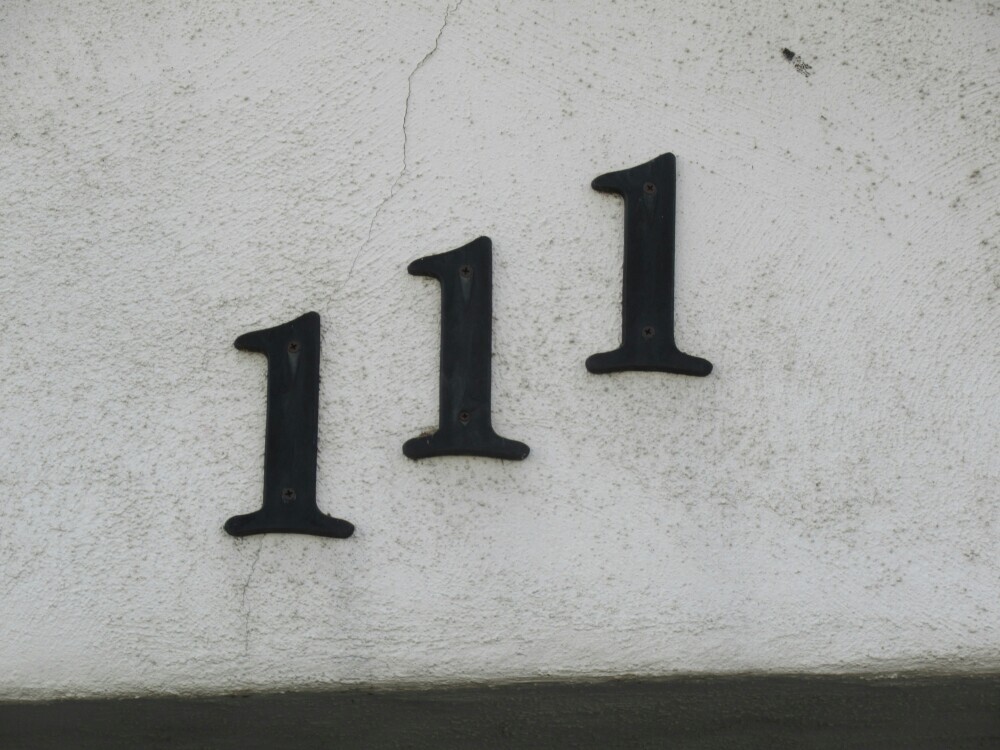
111: Signals fresh starts or renewed energy in relationships.
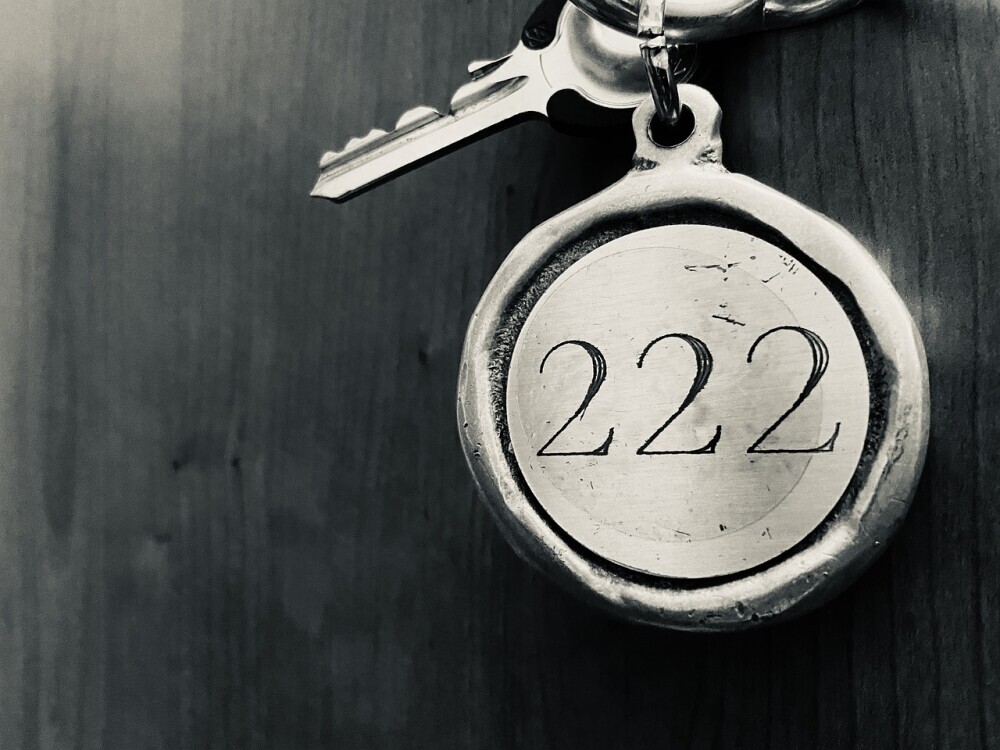
222: Focuses on balance, teamwork, and emotional closeness.
555: Indicates transformation and letting go of old patterns.
Angel numbers don’t predict your future but guide you to reflect, trust your intuition, and make thoughtful decisions in love. Start noticing these numbers, connect them to your experiences, and use their insights to build stronger relationships.
Angel Numbers: Basics and Purpose
What Are Angel Numbers?
Angel numbers are repeated number sequences believed to carry messages from guardian angels or spiritual guides. This idea, popularized by new age thinker Doreen Virtue, is rooted in numerology – the belief that numbers from 0 to 9 hold specific meanings and energies.
“Angels, in the context of angel numbers, don’t directly provide love advice in the way humans do. Instead, they offer symbolic messages that reflect universal wisdom and guidance. When you see recurring angel numbers related to love, it’s a sign that you’re being supported and guided by positive energies.” [1]
These symbolic numbers often appear in moments when guidance or reassurance is needed.
Where Do Angel Numbers Show Up?
You might notice angel numbers in everyday places. They often appear in:
Digital clocks (e.g., 11:11 or 3:33)
License plates
Phone numbers
Receipts
Addresses
Billboards
Calendar dates
These numbers tend to show up during key moments in your life, especially during significant relationship events [2].
Angel Numbers and Relationships
Angel numbers can offer insight into your love life. They act as spiritual markers, signaling moments of growth or change in your relationships. For example, they might point to:
The real value of these numbers lies in their ability to spark reflection and deepen your connection with your inner wisdom. When you notice them during important relationship moments, take a moment to consider their meaning and trust your instincts to interpret the message.
Love Relation Angel Number|Angel Numbers for 💘 love …
Discover the Meaning Behind Angel Numbers and Dreams
Explore the spiritual significance of angel numbers, biblical dreams, and symbols. Gain clarity and guidance for your life’s journey. Start Exploring
Seeing 111 is all about fresh beginnings and a shift in energy within your love life. Whether you’re in a relationship or single, this number encourages:
Setting clearer, healthier boundaries
Infusing your relationship with renewed enthusiasm
Creating memorable, heartfelt moments
For singles, spotting 111 during a first date could signal the start of an exciting new chapter.
“Remember that 111 can mean fresh starts, so it could mean giving the relationship a healthy refresh in some way, and showing up with a brand-new energy or attitude.” – Sarah Regan, mbg Spirituality & Relationships Editor [3]
Up next, 222 focuses on harmony and mutual support.
222: Harmony and Partnership
The number 222 points to balance and teamwork in your love life. It’s a reminder to nurture your connection through:
Building emotional closeness with gratitude
Sharing meaningful experiences
Supporting each other’s goals
Communicating openly and effectively
“Number 222 meaning also includes partnerships and cooperation. Those for whom angel number 222 is a special number are the peacemakers and diplomats on Earth. They know how to create win-win relationships.” – UniGuide
Now, let’s explore how 555 brings transformation.
555: Embracing Change in Relationships
When 555 shows up, it’s a sign of transformation in your love life. This number often appears during times of growth, signaling that your relationship is evolving toward deeper spiritual alignment [4]. When you see 555, focus on:
Letting go of old, unhelpful patterns
Exploring new ways to express love
Trusting the journey, even when it feels uncertain
Practicing patience as changes unfold
Using Angel Numbers in Relationships
Building on the earlier spiritual insights, here are some practical ways to connect with the messages angel numbers bring to your love life.
Spotting Angel Numbers
Start by training yourself to notice angel numbers through mindfulness in your daily routine. These numbers might pop up on clocks, receipts, or even license plates. Pay close attention to numbers that seem to stand out or catch your attention.
“Whether you find solace, motivation, or direction in angel numbers, their real benefit lies in their ability to spark insightful self-reflection.” – Stina Garbis, psychic, astrologer, tarot expert, and author at Tarotoo [1]
Once you notice these numbers, the next step is to trust your intuition as you interpret their meaning.
Reading Angel Numbers
Understanding angel numbers combines universal symbolism with your personal experiences. Here’s how to approach it:
Keep a journal: Write down when and where you see an angel number, along with your feelings or thoughts at the time.
Reflect on your relationships: Think about how the number’s meaning relates to your current situation, whether you’re single, dating, or in a committed relationship.
Follow your intuition: Let your instincts guide you as you interpret the message.
“You have free will and choice to shape your own destiny. Angel numbers can show you the possibilities and potentials of your love life, but they cannot guarantee the outcomes or results.” – Stina Garbis, psychic, astrologer, tarot expert, and author at Tarotoo [1]
Acting on Angel Number Messages
Turn the insights from angel numbers into meaningful actions:
Be honest: Communicate openly about any challenges in your relationship.
Let go of past baggage: Release old resentments or beliefs that may be holding you back.
Focus on self-improvement: Use these messages to strengthen your self-love and personal growth.
“Angels, in the context of angel numbers, don’t directly provide love advice in the way humans do. Instead, they offer symbolic messages that reflect universal wisdom and guidance. When you see recurring angel numbers related to love, it’s a sign that you’re being supported and guided by positive energies. This can serve as a reminder to nurture your emotional well-being, make thoughtful choices, and maintain a loving and respectful attitude in your relationships.” – Stina Garbis, psychic, astrologer, tarot expert, and author at Tarotoo [1]
Conclusion
Angel numbers act as spiritual guides, affirming your instincts and encouraging intentional, self-driven choices in love. They can highlight new paths in your love life while working alongside your inner wisdom to help navigate relationship decisions.
Experts often emphasize this balance:
“You have free will and choice to shape your own destiny. Angel numbers can show you the possibilities and potentials of your love life, but they cannot guarantee the outcomes or results.” – Stina Garbis, psychic, astrologer, tarot expert, and author at Tarotoo [1]
These numbers can inspire emotional growth and help align your spiritual energy, which can strengthen communication and deepen your connections. They act as subtle reminders along your love journey, guiding you toward more meaningful relationships.
Ultimately, your love story is yours to shape. As yoga teacher Alexandra Plante suggests, “break free of your preconceptions and let your heart guide you” [1]. When paired with these spiritual insights, your intuition becomes a powerful tool for building fulfilling relationships.
Dreams can feel mysterious, especially when certain symbols stand out. In the Bible, colors and clothing often have deep meanings that can affect how I understand my dreams. Black clothes in a biblical dream usually symbolize hardship, grief, or a call to spiritual renewal.
While seeing black clothes in a dream might bring strong feelings, it does not always mean something bad. It can point to personal challenges, emotional struggles, or a nudge for me to reflect on my spiritual journey. Sometimes, black clothing in dreams reminds me to seek forgiveness, wisdom, or new beginnings, depending on the context.
Looking closer at these dreams helps me explore what God might be showing me. Learning the biblical meaning will help me move forward with more understanding and hope.
Key Takeaways
Black clothes in a dream can signal challenges or spiritual growth.
Meaning changes based on personal context and feelings in the dream.
Reflecting on such dreams can encourage seeking guidance and self-reflection.
Understanding Dreams in the Bible
Dreams appear often in the Bible and play an important part in many stories. I see that these dreams can be messages, warnings, or signs from God, and their meaning depends on the time and situation in scripture.
The Role of Dreams in Scripture
In the Bible, dreams serve as a direct line of communication between God and people. Joseph, for example, saw dreams that shaped his future and saved nations. Daniel explained dreams for kings, revealing coming events.
Dreams in scripture are often linked with guidance. God gives direction to leaders and regular people through dreams, showing His control over history. These dreams can reveal hope, warning, or a plan that needs to be followed.
Not every dream in the Bible is from God. Some are personal thoughts or fears. But the most meaningful dreams carry a clear, important message that stands out from normal nightly thoughts.
Interpretation of Dreams in Biblical Times
In biblical times, dream interpretation was seen as a serious task. People believed that only God could reveal the true meaning of dreams. When Pharaoh or Nebuchadnezzar had troubling dreams, their advisors failed to interpret them without help from someone chosen by God.
Daniel and Joseph are key figures. They prayed and asked God for wisdom before explaining dreams. Their interpretations matched real events, proving that their understanding was not from human skill, but from a spiritual source.
Dreams were not ignored in ancient times. Instead, people waited for someone with strong faith and a connection to God to explain what the dream meant. This shows how much value they placed on spiritual insight over guesses or human wisdom.
God’s Communication Through Dreams
God uses dreams in the Bible to reveal His plans or give warnings. For example, God warned Joseph to take Mary and Jesus to Egypt through a dream, saving them from danger. Sometimes, God’s messages in dreams were gentle guidance; other times they were strong warnings of things to come.
The difference between ordinary dreams and those from God is clear in scripture. God’s dreams often include symbols or details that need spiritual insight. When people listened to these dreams, they were protected or blessed, showing that God can use dreams as a way to care for His people.
Today, I find that many believers still look for messages from God in dreams, reflecting the tradition found in the Bible. These stories show that God can communicate in many ways, including through the dreams we have at night.
Biblical Symbolism of Colors
In the Bible, colors often have deep symbolic meanings. These meanings can help me understand my dreams and the messages they might hold.
Significance of Black in the Bible
Black is often tied to themes of darkness and mystery. In many Bible stories, darkness can stand for hard or challenging times, sorrow, or even a feeling of being far from God. I have found that the color black also sometimes represents secrets or the unknown, especially in dreams.
Some believe that black clothing in dreams may signal mourning, grief, or sadness, reflecting periods of loss or reflection in life. In a few passages, black is shown as a sign of repentance or a call to spiritual renewal. For instance, black is mentioned in the context of feeling heavy or cut off from joy, sometimes pointing to a need for change inside myself.
There are even teachings that mention black as a symbol of the hidden place of God, where mysteries or deep truths might be waiting to be revealed. You can read more about how black is seen in dreams and biblical themes at Heavens Dream Messages and SeeKen.
Black Versus Other Colors in Dream Symbolism
When I look at other colors in the Bible, the meanings are very different from black. For example:
White often means purity, righteousness, or holiness.
Red can stand for sacrifice, passion, or sometimes danger.
Blue might be linked to heavenly things or spiritual depth.
In comparison, black clothing often points to deeper, sometimes troubling issues like sin, grief, rejection, or inner struggles. The Dream Symbols Dictionary explains that these colors each carry unique messages depending on the dream’s context.
A quick chart:
Color
Common Symbolic Meanings
Black
Darkness, mystery, mourning, repentance
White
Purity, righteousness, holiness
Red
Sacrifice, danger, passion
Blue
Spirituality, heaven, revelation
I try to remember that these meanings can change based on details in my dream, my feelings in the dream, and what is happening in my life.
Meaning of Clothes in Biblical Dreams
In the Bible, clothing in dreams often carries deep spiritual meanings. These dreams can reveal a lot about a person’s spiritual state, level of purity, or their relationship with God.
Clothing as a Symbol of Identity and Spiritual State
When I see clothing described in the Bible, it often connects to a person’s identity or how they are seen by God. Wearing clean or white clothes can show innocence, holiness, or spiritual renewal. For example, in the story of Joseph, his “coat of many colors” marked him as a favorite and set him apart from his brothers.
On the other hand, wearing dirty, torn, or black clothes can be linked to mourning, shame, or guilt. For instance, black clothes in a dream may point to times of sadness, grief, or spiritual struggle, as shown in some scriptural contexts and Christian dream teachings. In biblical dreams, these visual details help me understand the state of the dreamer’s heart and relationship with God. I see clothing choices in dreams as spiritual signals, sometimes highlighting the need for change or repentance.
Robes, Garments, and Their Representations
Robes and other special garments play important roles in biblical stories and dream symbolism. Priests in the Old Testament wore specific robes as a sign of their role before God. These garments represented dignity, honor, and the presence of the Holy Spirit.
When I read about figures receiving new garments or robes, this often points to forgiveness and a fresh start. For example, in Zechariah 3, Joshua the high priest is given clean robes, symbolizing God’s acceptance and cleansing from sin. Dreams about robes or special garments can therefore mean God is offering spiritual renewal, honor, or a call to a new responsibility.
In biblical dreams, each piece of clothing matters. Details like color, type, and condition all shape the dream’s meaning and its message for my life or spiritual walk.
Black Clothes in Dreams: Core Interpretations
When I look at dreams about black clothes, I see deep spiritual and emotional meanings. In the Bible, colors and clothing often carry strong symbols that help explain our inner struggles, faith, and feelings.
Sorrow, Mourning, and Grief
Black clothes in dreams often represent times of loss, mourning, or deep sadness. In many biblical stories and traditions, people wore black or dark clothing during periods of grief or after losing someone important. Wearing black in a dream can reflect feelings of sorrow that I may be facing in my own life.
This connection between black clothes in dreams and mourning can point to unresolved emotions or personal grief. It may also be a sign that I need to pay attention to feelings I’ve been keeping inside. Black clothes might also indicate empathy for someone else’s pain or a reminder to support others in their time of need. According to interpretations discussed on evangelistjoshua.com, black garments are often linked to sadness, rejection, and disgrace.
Sin, Guilt, and Repentance
In biblical interpretation, black is sometimes seen as a color for sin or guilt. When I dream of wearing black clothes, it may suggest I am feeling ashamed or burdened by mistakes I’ve made. This can mean my conscience is working, showing me areas where I need to turn back to God.
Feeling guilt or noticing sin in my life can be uncomfortable but is important for spiritual growth. The dream might be urging me to admit my wrongs and seek forgiveness through repentance. This idea is explained further at seeken.org, where black clothing in dreams symbolizes sin and spiritual darkness, pressing me to make things right.
Spiritual Darkness and Separation from God
Dreams of black clothes can also warn me about spiritual darkness or feeling far from God. In the Bible, darkness is often a symbol for a lack of God’s presence or understanding. When I dream of black clothes, it could be a sign that I am drifting away from my faith or experiencing confusion in my spiritual life.
This dream might be a wakeup call. It tells me to check my relationship with God and seek His guidance. If I sense a distance, it can be helpful to pray, read scripture, or ask for spiritual support. For more on this topic, the article on seeken.org describes black as linked to spiritual darkness and separation from God.
Context Matters: Interpreting Black Clothes Symbolism
Understanding the meaning of black clothes in a dream depends on personal circumstances, emotional responses, and how I interpret the dream. Symbols can shift in meaning based on what is happening in my life and what I feel.
Personal Reflection and Introspection
When I dream about black clothes, I notice it often triggers deep self-reflection. My subconscious mind could be highlighting hidden feelings, old memories, or inner struggles. Black clothes might point to emotions I have not dealt with, like grief, guilt, or regret. Sometimes, it may relate to a period where I feel lost or uncertain.
Taking time for introspection helps me see if there are parts of my life that need healing. If I connect the symbol to a personal loss, it might represent mourning or emotional pain. I try to ask myself questions, such as:
Am I holding onto negative feelings?
Is there a situation causing me sadness?
Reflecting on these questions leads me to a better understanding of myself and the dream’s message. The way I feel about black clothes in my dream can reveal what my subconscious is focusing on during this time.
Circumstances and Emotions in the Dream
The events and emotions present in my dream play a key role in what black clothes might mean. If the setting feels dark or filled with sorrow, black clothing can suggest a time of mourning or emotional hardship. These dreams can happen when I am facing difficult situations or changes.
Sometimes, black clothes in a dream reflect my fears or struggles with sin or temptation, as black is often linked with darkness in biblical interpretation. It is important for me to remember exactly how I felt in the dream:
Was I scared or anxious?
Did I feel comforted or protected?
The answers help me connect the dream’s details with my real-life emotions and experiences. Dreaming of someone else in black can make me consider my relationship with that person or what role they play in my life, sometimes showing concern or expecting challenges ahead.
Spiritual Growth and Transformation
Dreaming of wearing black clothes often signals a period of deep self-reflection and change. It can show that I am going through a time of healing, letting go of the past, and learning to forgive myself or others.
Change and Personal Transformation
Black clothes in a dream can mean a need for transformation in my life. The color black is linked to the end of one phase and the start of another. In biblical terms, it may suggest God is calling me to examine my actions and seek personal growth.
For example, if I dream of putting on black clothing, it might point to feelings of sadness or past mistakes. This symbol is not only about mourning but also about choosing a new direction. I may feel pushed to let go of unhealthy habits or beliefs that do not support my spiritual journey, which is part of growing as a person. Learning from these dreams can be a powerful way to start my path toward renewal and spiritual transformation, as suggested in Christian teachings.
Key signs of transformation in dreams:
Changing clothes from black to another color
Feeling relief or hope after wearing black
Noticing new opportunities after dark times
Healing, Restoration, and Forgiveness
Wearing black clothes in a dream can show a deep need for healing and restoration. This might mean I am ready to let go of heavy emotions or past hurts. The color black acts as a sign that I am facing pain head-on and starting the process of recovery.
Dreams like this can encourage me to seek forgiveness—for myself or others. It might remind me of the biblical teaching that God forgives and restores those who turn to Him in sincerity. If I see myself removing black clothes, it could be a symbol that I am letting go of guilt and accepting forgiveness.
Some may view these dreams as signals to reconnect with faith and seek peace through prayer or personal reflection. By facing sadness or regret, I open the door for emotional healing and spiritual growth. Steps I can take include:
Praying for guidance and healing
Talking about my feelings with someone I trust
Journaling about things I want to release or forgive
Challenges, Trials, and Spiritual Battles
Black clothes in dreams often reflect more than just external struggles. I see them as a sign of inner battles, warnings, or deeper spiritual messages found in the Bible.
Facing Temptation and Sinfulness
When I dream of black clothes, it can show that I am facing temptation or sin in my life. The color black may represent darkness, hidden wrongs, or moments when I feel distant from God. Sometimes these dreams point to guilt or struggles I am trying to hide from others.
Temptation can come in many forms. These dreams might appear during times when I am struggling to make the right choices or when it feels easy to fall into bad habits. It does not always mean I have failed already, but it can be a nudge from God to resist sin and stay alert.
In the Bible, black garments were linked to mourning or repentance, warnings, or even calls for personal change. Such symbolism suggests that my dream could be making me more aware of my need to fight against sinfulness every day. Dreaming of black clothes may encourage me to be honest with myself and turn away from wrong, relying on God for strength.
Armor, Protection, and Spiritual Warfare
Wearing black clothes in a dream can also be connected to spiritual battles and challenges. I could be facing invisible struggles that go beyond the physical world. These may include attacks from negative forces, feelings of oppression, or spiritual warfare described in the Bible.
In scripture, followers are called to put on the “armor of God” to defend against spiritual attacks. Dreams about black clothing might be a reminder for me to focus on prayer and protection, using faith as a shield. Sometimes the clothing represents the need to stand firm against evil, even if the battle feels overwhelming.
It’s important for me to recognize when I’m in a spiritual fight. By turning to God’s Word, using prayer, and seeking support from others, I can find the protection and strength I need. Black clothes in my dream may signal a time to prepare myself and trust God as I face these ongoing spiritual battles.
Symbolic Meanings Beyond Negativity
Black clothes in dreams can hold meanings that go far beyond sorrow or struggle. I see that in biblical symbolism, black can have complex and sometimes positive messages, such as the presence of power, mystery, and deep insight.
Authority, Power, and Wisdom
When I dream of black clothes, I sometimes connect the image to authority and leadership. In biblical times, black or dark clothing was often linked to people in high positions or priests who held influence. The color’s seriousness can show dignity and wise judgment, not just negativity or sadness.
Black can also stand for personal strength. It may mean I am stepping into a season where I am called to lead or make difficult choices. For some, wearing black in a dream is a sign of growing wisdom, much like respected elders or judges who wore dark robes to show their role.
To help recall these points:
Symbol
Meaning
Black Clothes
Leadership, authority
Dark Robes
Wisdom, justice
So, while black clothes are sometimes seen as negative, they may suggest that I am being prepared for greater responsibility and insight, reflecting a deep biblical symbolism of power and maturity.
Mystery, Hidden Aspects, and Revelation
Black is the color of the unknown. In dreams, it often points to mysteries in my life or areas I have yet to understand. Biblically, black can also represent secrets or truths that God may be revealing to me slowly, not all at once.
If I see myself wearing black clothes in a dream, it could be showing me that there is something hidden that needs to come into the light. It may be God’s way of guiding me toward understanding a situation, or a call to look deeper into my own thoughts, motives, or faith.
This sense of mystery can be positive. It reminds me that not everything is meant to be understood right away. Sometimes black clothes are a sign that revelation is coming, but I must be patient and attentive. As described in resources discussing spiritual meanings of black clothes in a dream, black can represent a period of learning, growing, and awaiting answers.
Seeking Spiritual Guidance and Wisdom
When I dream about black clothes, I want real answers to help understand the message. Exploring prayer, meditation, and trust in God helps me seek spiritual guidance and wisdom for my own life.
Prayer, Meditation, and Intuition
Whenever I am troubled by a dream of black clothes, I start by praying for clarity. Prayer helps me pause and bring my worries directly to God. I often ask for insights or comfort about what my dream might mean and how I should respond.
Meditation is another important step. I sit quietly and reflect on the dream, focusing on details and feelings I experienced. This quiet time allows me to listen for gentle nudges from the Holy Spirit. Sometimes answers come as a peaceful feeling, or a new thought that stands out.
I also use intuition, which means I pay attention to any inner sense or impression I get. If I feel uneasy or urged to take positive steps, I don’t ignore it. God can use my natural thoughts and feelings to guide me. Using a journal to write down messages, prayers, and dreams can help me spot patterns or recurring themes.
Discernment and Trust in God
Discernment is knowing when a dream’s meaning is spiritual insight and when it is just a passing thought. When I have a dream about wearing black clothing, I use the Bible for guidance. I compare what I feel or sense with Scripture, looking for any direct or indirect messages.
Trust in God is key through this process. Even if I do not understand right away, I believe God is in control and wants what is best for me. I avoid rushing into fear, and instead, try to stay calm and faithful.
Sometimes I talk with a pastor or a spiritually mature friend. These conversations often give me new perspectives or comfort. Trusting God is not just about waiting, but actively seeking answers and being patient while they unfold. This ongoing exploration helps me rely less on my own understanding and more on divine wisdom.
Hope, Redemption, and New Beginnings
Dreams of black clothes in a biblical sense can carry strong messages about redemption, moving from despair to hope, and finding fresh spiritual beginnings. I see these themes showing up through Christ’s forgiveness and the transformation that comes from trusting Him.
Redemption and Forgiveness Through Christ
When I dream of black clothes, I often think of what they can represent—sin, guilt, or past mistakes that weigh on my heart. In the Bible, black is sometimes linked with darkness or spiritual struggles, yet it is not the end of the story. Christ promises redemption and a chance to start over, no matter how dark one’s past may seem.
In moments where I feel weighed down, I remember that forgiveness through Jesus is available to anyone who asks. Christ’s sacrifice provides a path from feeling lost to being accepted and loved. As it says in 1 John 1:9, “If we confess our sins, He is faithful and just to forgive us.” This deep forgiveness leads to comfort and renewed spirituality that changes how I see myself and my journey.
Moving From Despair to Hope
Wearing black in a dream might feel gloomy or full of despair at first. Yet, for me, it can also mark the beginning of a new chapter. In hard times, I find that faith can shift my view from pain to hope. This hope is not just wishful thinking but a strong belief in God’s promise of a new beginning.
Through prayer and trust in Christ, I discover that black clothes can be a symbol of leaving the past behind. What once felt like a symbol of sorrow now becomes a sign that renewal is possible. I focus on passages that talk about moving from darkness into light, such as 2 Corinthians 5:17, which tells me that those in Christ are new creations. This shift gives me comfort, a sense of peace, and the courage to move forward with hope for what comes next.
When I dream of wearing black clothes and want to understand it from a biblical perspective, I find it important to focus on my own spiritual health and the community around me. Taking clear steps can bring insight, healing, and renewed purpose.
Self-Examination and Confession
First, I pause and think about my recent actions, words, and thoughts. Dreaming of black clothes often asks me to reflect honestly on my life, looking for sins, grief, or areas where I may have drifted from my faith. The color black in dreams can mean it’s time for repentance and spiritual renewal.
I use a journal to list things I regret or moments I feel spiritually distant. Self-reflection helps me see patterns I might overlook in a busy life. Once I recognize these areas, I confess them aloud in prayer. This act is not just about guilt but about seeking growth and transformation before God.
Keeping a short prayer like, “Search me, God, and know my heart. Reveal what needs to change,” brings clarity. I find that sharing my struggles in confession, whether privately or with a trusted mentor, can free my mind and renew my spirit. As I move forward, I ask God for direction on my spiritual journey.
Seeking Community and Spiritual Support
I remind myself that spiritual growth is not only a private matter. When dreams trouble me or bring up heavy feelings, I reach out to my faith community, whether that’s a small group, church, or a close friend who shares my beliefs. In the Bible, community and support are important for healing and accountability.
If I feel overwhelmed, I do not try to handle things alone. I set up meetings or send messages to people who care and understand spiritual challenges. Sometimes, I attend group prayers or Bible studies, which creates space for others to share wisdom and encouragement.
Spiritual mentors or pastors can help me seek guidance, offering a new perspective or practical advice. I may also find comfort in group worship or shared experiences of faith. This support helps me stay on track and strengthens my walk with God, especially after difficult dreams or seasons of uncertainty.
Frequently Asked Questions
Dreams about black clothing can have different meanings depending on religious, spiritual, and cultural beliefs. I will give clear answers from both Christian and Islamic views, including how dreams about men or women in black can be understood in spiritual terms.
What does it mean to dream of a woman dressed in black from a spiritual perspective?
When I see a woman dressed in black in a dream, it can point to themes of mourning, sadness, or hidden struggles. In many spiritual traditions, black clothes on a woman might suggest a message about grief or an upcoming challenge. Sometimes, it may also represent a warning or a call to reflect on recent losses.
In Islamic interpretation, what does seeing black clothes in a dream suggest?
In Islam, I know that dreaming of black clothes often depends on the context. For some, it could indicate sadness, bad news, or difficulty because the color black may represent distress or warning. However, if black is the usual color of clothing for the person, the dream may not hold negative meaning.
How is a man dressed in black interpreted in dreams within a spiritual context?
I find that a man dressed in black in dreams often signals authority, power, or, sometimes, sorrow. Spiritually, it may point to a difficult figure or challenge in my life. Sometimes, it can also be a sign to pay attention to someone in my life who carries strong, serious energy.
What are the spiritual implications of someone wearing black in your dream?
When someone is wearing black in my dream, it often hints at hidden truths or unresolved issues. Some spiritual views connect black clothing with mystery, secrets, or mourning. In some cases, as explained by Evangelist Joshua, it can be a warning about sorrow or tough times ahead.
Can dreaming of black clothes have a significant meaning in Christianity?
Yes, it can. In Christianity, black clothes in a dream may symbolize mourning, grief, or a period of hardship. Sometimes, this dream can connect to Bible stories where black or dark clothing was worn for loss or repentance, as in Genesis 37:34. The emotion and situation in the dream help reveal its meaning.
Is there a difference in dream interpretation involving black clothes between Islamic and Christian perspectives?
There are some differences. I’ve found that Christians may focus more on the symbols of mourning, repentance, or warning in biblical examples. Islamic interpretation can see black clothing as a sign of distress but may not always give it a negative meaning if black is someone’s usual clothing. Both traditions suggest looking at the dream’s context and personal feelings for a deeper meaning.
Why Keep a Dream Journal? Dreams can be a way God communicates with us, just as He did in the Bible. Journaling helps you capture these messages, reflect on their meaning, and grow spiritually.
What to Record:
Date & Time: When the dream occurred.
Dream Details: Write the story as soon as you wake up.
Symbols & Themes: Note biblical elements like numbers, colors, or objects.
First Impressions: Jot down what you think the dream might mean.
Tools You’ll Need:
Journal Options: Choose a notebook, app, or sketchbook that fits your style.
Keep It Handy: Place it by your bed to capture dreams quickly.
How to Interpret Dreams:
Compare symbols with Scripture.
Pray for clarity and guidance.
Look for recurring patterns over time.
Quick Tip: Write your dream within 5 minutes of waking up before it fades.
Dream journaling isn’t just about recording – it’s about deepening your connection with God and understanding His guidance.
Unlocking the Mind of Christ Through Dreams || Dream Life …
Dreams as Divine Messages in Scripture
The Bible mentions 21 dreams that served as a way for God to communicate with people, revealing future events and offering warnings that influenced biblical history [4].
Major Dream Stories in the Bible
Throughout Scripture, dreams played a key role in delivering messages from God. For example, in Genesis, Joseph had dreams about his brothers’ sheaves bowing to his and the sun, moon, and eleven stars honoring him. These dreams hinted at his future leadership in Egypt.
In another instance, Daniel interpreted King Nebuchadnezzar’s dream of a massive statue made of various metals. This dream symbolized the rise and fall of kingdoms, showcasing God’s control over history.
“All the dreams recorded in the Bible, however long or short, hold great significance. The dreams were not only messages for the dreamers, but messages for each of us.”
Symbolized God’s connection with humanity and covenant renewal
Abimelek
Warning about Sarah
Reinforced God’s protection of Sarah and moral guidance
Joseph (New Testament)
Angel’s warning
Directed the escape to Egypt to protect Jesus
Pilate’s Wife
Warning about Jesus
Affirmed Christ’s innocence
These examples not only highlight God’s interventions in biblical times but also provide insights for believers today, helping them interpret their own dreams in a spiritual context.
Dreams and Present-Day Faith
Just as God used dreams to communicate with biblical figures, modern believers can reflect on their own dreams for spiritual insights. While dreams in Scripture often used symbols – like Jacob’s ladder connecting heaven and earth or Pharaoh’s visions of cattle and grain predicting famine – these symbols carried deep meaning about God’s plans.
However, it’s essential to approach dream interpretation carefully. Ecclesiastes 5:7 reminds us that not every dream is divinely inspired. To discern spiritual meaning in dreams, believers can:
Compare dream interpretations with Scripture
Pray for the Holy Spirit’s guidance in understanding symbols
Keep a record of dreams while staying rooted in God’s Word
Look for recurring themes that align with biblical teachings
Starting Your Dream Journal
Setting up a dream journal with a biblical focus takes a bit of thought. The right tools and a clear structure can make it easier to document and reflect on divine insights.
Choosing the Right Journal
The journal you pick should suit your preferences and how you like to record your thoughts. The key is to choose something you’ll use regularly to log your dreams.
If you go for a physical journal, aim for one that’s between 5½ x 8½ and 7 x 10 inches. Keep it by your bed, along with a pen, so you can jot things down quickly. Once you’ve chosen your journal, create a simple and purposeful layout for your entries.
How to Format Your Entries
Keeping your entries concise ensures you capture the key details that might hold spiritual meaning. Here’s what to include in each entry:
Date and Time: Record when the dream happened and when you wrote it down.
Dream Description: Write the story of the dream as soon as possible.
Biblical Symbols: List any elements that might have spiritual relevance.
Initial Impressions: Note your first thoughts on what the dream could mean.
Try to record your dreams within five minutes of waking. To stay organized, you might also:
Write an introduction page outlining your spiritual goals.
Add a section for prayer requests related to your dreams.
Create an index for recurring biblical symbols.
Reserve a section for Scripture references connected to your dreams.
If writing immediately feels overwhelming, use a voice recorder to capture the details and transcribe them later.
Discover the Meaning Behind Angel Numbers and Dreams Explore the spiritual significance of angel numbers, biblical dreams, and symbols. Gain clarity and guidance for your life’s journey. Start Exploring
How to Record and Study Dreams
Morning Dream Documentation
Writing down dreams quickly is key because they often fade within minutes of waking. Keep a journal and pen right next to your bed to make this easier. When you wake up, avoid distractions like checking your phone or jumping into your morning routine.
“To remember a dream, we generally need to write it down within 5 minutes of waking.” [5] – Jenny Needham, Heaven’s Dream Messages
Here’s what to jot down:
Significant numbers: Numbers can hold deeper spiritual meaning.
Names: Write down both familiar and unfamiliar names that appear.
Specific words or phrases: Note anything that stands out or repeats.
Vivid images: Record any striking visuals that may carry spiritual importance.
Wrap up your entry with a short prayer to seek clarity. If writing feels too challenging right away, use a voice recording app on your smartphone to capture your thoughts.
Once your dreams are documented, you can start analyzing them for key symbols and patterns.
Finding Symbols and Themes
After recording, focus on identifying symbols and recurring themes that may carry spiritual significance. Look for patterns that stand out across your dreams.
Element Type
What to Note
Why It Matters
Recurring Symbols
Objects, animals, colors
May point to consistent spiritual messages
Numbers
Specific quantities, dates
Often tied to biblical meaning
People
Known figures, strangers
Could represent spiritual guides or messages
Settings
Locations, time of day
Helps provide context for interpretation
Biblical Symbol Interpretation
Use prayer and Scripture to interpret your dreams. Follow these steps:
Scripture Connection: Look up biblical references related to the symbols in your dream.
Prayer and Reflection: Ask for guidance and clarity before diving into interpretation.
Pattern Recognition: Review your entries to spot recurring themes for deeper understanding.
“Reviewing our dreams helps us to remember them.” [5] – Jenny Needham, Heaven’s Dream Messages
Biblical Symbols and Numbers Guide
Key Biblical Symbol Meanings
Biblical symbols can provide deeper meaning to your dreams. Here are some common symbols and their spiritual interpretations:
Symbol
Spiritual Meaning
Heart
Love, trust, dignity, and a caring nature
Rainbow
The end of struggles; represents divine guidance
Keys
Spiritual access, freedom, and resolution
Books
Knowledge and spiritual awareness
Stars
Hope, inner strength, and divine guidance
Colors also carry specific meanings in biblical contexts:
White: Purity and righteousness
Blue: Represents God’s spirit and heavenly presence
Red: Symbolizes spiritual cleansing
Black: Reflects resilience and wisdom gained through challenges
These symbols can offer a deeper understanding of the messages in your dreams. But symbols are only part of the story – numbers can add another layer of meaning.
Numbers in Biblical Dreams
Numbers in dreams often hold spiritual significance and can offer divine insights. Here’s a quick guide to some common biblical numbers and their meanings:
Number
Biblical Meaning
Dream Context
3
Completeness in divinity
Represents perfect timing or wholeness
7
Spiritual completion
Symbolizes divine fulfillment
12
Spiritual authority
Linked to heavenly-appointed leadership
40
A time of preparation
Indicates a period of testing or growth
To interpret numbers in dreams, consider their context – timing (days, weeks, years), connections to Scripture, or any personal relevance.
“It is always worth paying attention to numbers in dreams, so make sure to note them down as soon as you wake up – otherwise it’s easy to forget them.” [6] – Jenny Needham
A well-known biblical example comes from Genesis, where numbers played a central role in dream interpretation:
“In Genesis 41:1-4, Pharaoh dreamed of seven fat cows and seven thin cows, representing seven years of plenty and seven years of famine.” [6]
Numbers can show up in different ways – quantities of objects, monetary values, clock times, dates, or measurements. Be sure to record both the number and its context to fully understand its significance.
Building a Regular Journaling Practice
Starting a biblical dream journal takes some preparation. These tips can help you build a consistent habit.
Nighttime Prayer and Preparation
Set up your space before bed to make recording dreams easy. Keep your journal and pen (or a digital device) within reach.
Before going to sleep:
Arrange your journal, pen, reading light, and a warm blanket nearby. Adjust your alarm to allow quiet time for recording.
Spend a few moments in prayer and mentally prepare for the night ahead.
“Once your brain starts to realise that you value dreams, you will probably find that you remember more of them and start waking up at the right time” [5]
Make it a priority to write down every dream, even if it seems short or unclear. With your environment ready and your mind focused, take time to regularly review your entries.
Monthly Journal Review
Over time, reviewing your journal can help you spot patterns and gain deeper insights.
Here’s a simple framework for reviewing your dreams:
Review Focus
Action Steps
Purpose
Pattern Recognition
Look for recurring symbols or themes
Understand consistent messages
Prayer Alignment
Compare dreams to your prayer requests
See how prayers are being addressed
Symbol Evolution
Update interpretations of symbols
Sharpen your understanding
Divine Timing
Record dates of key dreams
Link them to important life events
“Reviewing our dreams takes a bit more time and planning – but is the secret to my success in dream interpretation!” – Jenny Needham, Heaven’s Dream Messages
Consider creating a digital index to track:
Dream dates
Key symbols
Initial interpretations
Updated insights
Related Scripture references
Conclusion: Growing Your Faith Through Dream Journaling
Biblical dream journaling helps deepen your relationship with God and brings clarity to His messages. By making it a regular practice, you can become more attuned to His guidance while building a meaningful record of your spiritual growth.
Taking time to reflect on God’s messages, whether subtle or striking, sharpens your ability to discern His voice. As Tamara Jolee explains, “We honor the Lord’s voice by writing down what He shows us and then spending time in His presence to understand the meaning. Sometimes that revelation comes instantly, other times it’s revealed years down the road. It all has a purpose. Many of the words and dreams God gave me are just now making sense.” [2] This process not only clarifies divine messages but also creates a lasting record of His guidance in your life.
Your journal serves as a testament to God’s ongoing presence, helping you notice patterns in how He communicates with you. As Joseph said in Genesis 40:8: “Do not interpretations belong to God?” [1] Many people find this practice strengthens their bond with God. Ali Enos shares, “Journaling has become one of the ways that I best connect with God. It helps me to be more honest with God and with myself.” [3]
“Don’t give up; don’t be impatient; be entwined as one with the Lord. Be brave and courageous, and never lose hope. Yes, keep on waiting – for he will never disappoint you!” – Psalm 27:14 [2]
Over time, your dream journal becomes more than just a collection of entries – it turns into a roadmap of your spiritual journey. With consistent effort, it can serve as a powerful tool for:
Love is one of life’s most profound mysteries, a force that can elevate us to unimaginable heights yet leave us searching for answers when it feels elusive.
What if the universe could provide clues to guide you through the maze of relationships? Imagine consistently seeing 11:11 on the clock, noticing 222 on receipts, or spotting 333 on license plates. Could these numbers be trying to tell you something?
Angel numbers are not just random sequences; they are believed to be messages from the divine realm designed to guide and encourage us. In love, these numbers hold the potential to illuminate your journey, whether you’re seeking a soulmate, navigating relationship challenges, or deepening an existing bond.
This guide will take you deep into the world of angel numbers and how they can transform your approach to love, offering clarity, purpose, and healing.
What Are Angel Numbers?
Angel numbers are sequences—like 111, 222, or 555—that appear repeatedly in your life. They are thought to be messages from guardian angels or the universe itself, intended to offer guidance and encouragement.
How Angel Numbers Work
These numbers often appear during pivotal moments, drawing your attention to their unique vibrations. For example, you might notice them when contemplating a major life decision or reflecting on a specific relationship. They can appear in mundane places like clocks, receipts, or even addresses—but their repeated presence makes them unique.
Each angel number carries energy and meaning, providing insights tailored to your current life stage. When it comes to love, they can offer profound clarity, helping you navigate emotions, decisions, and spiritual connections with ease.
Angel Numbers and Love
In relationships, angel numbers can reveal hidden truths, validate your feelings, or encourage you to take specific actions. They act as celestial breadcrumbs, leading you toward a more profound understanding and alignment in your romantic journey.
The Role of Angel Numbers in Love
Angel numbers act as divine mirrors, reflecting the state of your heart and relationships while guiding you toward growth and harmony. Whether you’re just starting a new romance, navigating long-term commitment, or healing from past heartbreak, these numbers can help you make sense of love’s complexities.
Decoding Messages for Romantic Guidance
Angel numbers often appear when you need clarity. Let’s look at how specific numbers guide different aspects of love:
111: This number is all about manifestation and new beginnings. For singles, it’s a call to set intentions and focus on attracting love. For couples, it signals an opportunity to renew or transform your relationship.
222: A reminder to cultivate balance and harmony. If you’re in a relationship, it might urge you to approach disagreements with empathy. For singles, it’s a sign to trust the process and have patience as love unfolds.
555: Transformation and adaptability define this number. Whether facing a big decision with your partner or reevaluating your approach to love, 555 encourages you to embrace change with an open heart.
Angel Numbers as Signs of Alignment
When angel numbers appear in your life, it’s often a sign that you align with your higher self and the divine plan. For example:
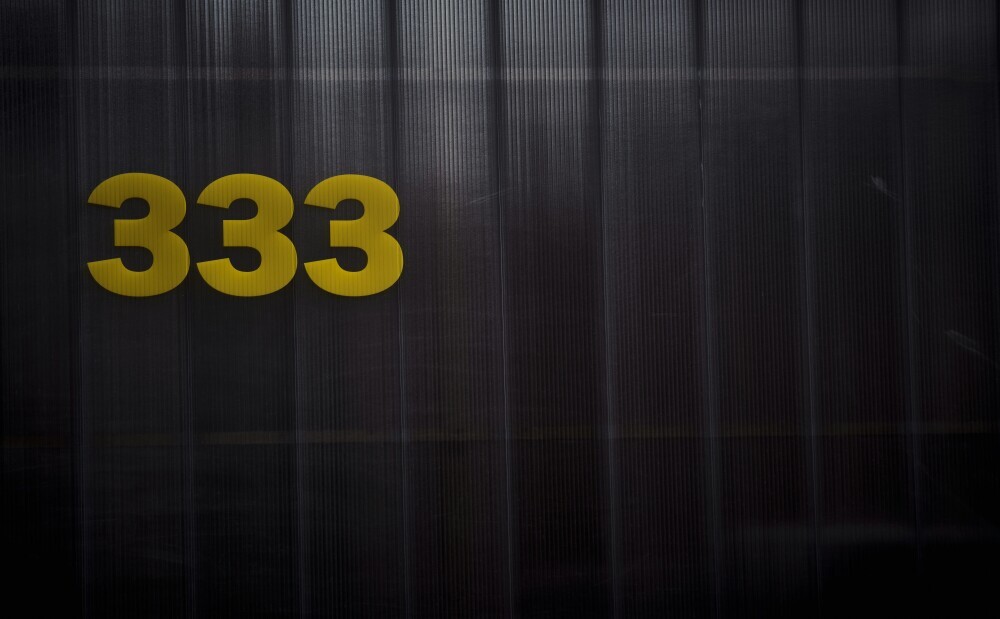
Seeing 333 might mean you and your partner are spiritually aligned and ready to grow.
Noticing 444 during challenging times could indicate your relationship is stable, even if it doesn’t feel that way.
These numbers serve as reminders that love, like life, is a journey of growth and alignment.
Interpretations for Relationships
Each angel number carries a unique vibration and meaning, offering practical guidance for singles and couples alike. Here’s an in-depth exploration of how these numbers can illuminate your romantic life.
Key Angel Numbers and Their Meanings
111: Manifestation and New Beginnings
For singles, 111 signals a fresh start. It’s the perfect time to let go of past heartbreak and focus on visualizing your desired relationship. Practice affirmations or create a vision board to align with this energy.
For couples, 111 might suggest it’s time to start a new chapter together—moving in, starting a family, or simply renewing your commitment.
222: Balance and Harmony
Singles who see 222 are being reminded to stay patient. This number emphasizes inner balance, encouraging you to work on yourself before seeking a partner.
For couples, 222 highlights the importance of mutual understanding and compromise. It’s a call to nurture the emotional give-and-take in your relationship.
333: Spiritual Growth and Alignment
This number encourages you to focus on spiritual growth, whether single or in a relationship. For singles, it’s a sign to align with your higher purpose before pursuing love. For couples, it suggests embarking on a shared journey of self-discovery.
444: Stability and Reassurance
Singles may see 444 as a reminder to trust that the universe is preparing them for a secure and lasting connection.
Couples can interpret 444 as a message of reassurance, particularly during tough times. It signifies the relationship is grounded and strong enough to weather challenges.
555: Transformation and Adaptability
This number encourages singles to embrace changes in their love life, whether meeting someone new or shifting their relationship mindset.
For couples, 555 signals that growth is on the horizon. Embrace the changes together and trust that they lead you to a stronger bond.
Specific Scenarios in Love
Angel numbers can offer clarity in many situations:
Starting a New Relationship: Numbers like 111 and 1111 suggest that new beginnings are aligned with divine timing.
Resolving Conflict:444 encourages you to trust the foundation of your relationship and approach conflicts with calm confidence.
Embracing Change: When 555 appears, it’s a reminder that growth often comes from stepping out of your comfort zone.
Angel Numbers for Singles: Finding Love
For singles, angel numbers guide finding love while emphasizing self-worth and readiness.
Recognizing Signs of New Beginnings
Seeing 1111 frequently could mean that a soulmate connection is near. It’s an invitation to stay open and attentive to opportunities for love. Attention to synchronicities—unexpected meetings or intuitive nudges may lead you to the right person.
Building Confidence with Angel Numbers
Angel numbers like 888 remind you that you are worthy of love and abundance. Use this number to affirm your value and a prompt to prioritize self-love. Confidence radiates outward, making you more attractive to potential partners.
Practical Tips for Singles
Journal Your Observations: Document the angel numbers you encounter and reflect on their meanings. This practice deepens your understanding of the messages.
Meditate on Numbers: Visualize numbers like 1111 to align with the energy of love and opportunity.
Trust the Process: Numbers like 777 encourage patience, reminding you that divine timing is at work.
Angel Numbers in Established Relationships
For those in long-term relationships, angel numbers provide tools to navigate growth, strengthen bonds, and overcome challenges.
Strengthening Bonds
Numbers like 222 encourage you to focus on harmony, while 333 urges spiritual alignment. Couples can use these numbers as a reminder to prioritize teamwork and mutual goals.
Navigating Challenges
During tough times, numbers like 444 reassure you that your relationship is built on a solid foundation. Trust this message and approach challenges with resilience and faith in your partnership.
Co-Creation with Your Partner
Angel numbers can enhance your relationship:
Meditation Together: Use shared numbers like 555 to meditate and discuss how you can embrace change as a team.
Celebrate Milestones: Incorporate significant numbers into your life by celebrating anniversaries or other milestones on dates that resonate.
Angel numbers are more than numerical patterns—divine messages offering guidance and clarity in love. Observing and interpreting these numbers allows you to navigate your romantic journey with confidence and spiritual alignment. The next time you see a recurring sequence, pause and reflect. It could be the universe’s way of whispering that love is on your horizon.
Trust in the guidance, and let angel numbers illuminate your path toward a deeper, more fulfilling connection.
Nightmares. We’ve all had them, those wild, unsettling dreams that jolt you awake and leave you pondering their meaning. So, what are nightmares? At their core, nightmares are intense dreams that evoke fear or distress, often vivid enough to wake a person up. They aren’t just reserved for the young or the imaginative, either. Everyone experiences nightmares at some point, and they have a fascinating impact on mental health.
The psychological impact of nightmares is a topic that many find intriguing. For some, these distressing dreams are rare and just an occasional annoyance. But, for others, mainly if they occur frequently, nightmares can have a more profound effect, sometimes indicating underlying stress or even mental health issues like anxiety or PTSD. Nightmares might seem like harmless movies in our heads, but they can shake up your emotions and sleep quality.
Recurring nightmares can be more than just a spooky coincidence. They often indicate unresolved issues or persistent stress factors. Imagine them as your mind’s alert system, waving a big red flag about something that’s been neglected or needs addressing. These haunting dreams give us clues, allowing us to investigate what’s happening beneath the surface.
The connection between nightmares and mental health is closer than you might think. It’s like a two-way street. A stressed mind might lead to more frequent nightmares, while frequent nightmares can contribute to increased stress and fatigue. This cycle can eventually affect daily life, leaving someone tired, irritable, or even apprehensive about sleeping.
Understanding nightmares is about figuring out why they happen and recognizing their implications. When those bizarre, creepy dreams become regular guests in your sleep cycle, it may be time to pay more attention to what’s happening when you’re awake, too.
Angels in Mythology, Religion, and Culture
Angels have this fascinating allure, popping up in all kinds of stories, cultures, and religions throughout history. They’re often seen as messengers, guardians, or symbols of hope and divine intervention. But don’t just take my word for it; dive into the vast mythologies across the globe, and you’ll see angels featured in ways you’d never expect.
In ancient texts, angels often appear as intermediaries between the divine and mortal realms, carrying out tasks that sometimes seem beyond human understanding. These narratives have a knack for weaving angels into the fabric of human events, giving them a complex role in the cosmic order.
Different cultural interpretations offer unique perspectives on angels. For example, in Eastern traditions, the concept of spiritual messengers might not use the term’ angel,’ but the idea is similar. In contrast, Western cultures usually stick to the classic winged figure image, representing purity and divine will.
Religion is where angels shine. In Christianity, they’re considered messengers of God, while in Islam, they perform various duties, from guardianship to recording human deeds. Despite the variations, one consistent element is their symbolic representation of strength, protection, and moral guidance.
These rich stories and diverse depictions remind us how angels have shaped and been shaped by human imagination. It’s fascinating how they transcend mere religious symbols, influencing art, literature, and even pop culture. Angels aren’t just figures to be revered or feared; they’re complex characters that reflect human values, fears, and hopes.
Interpreting Angels in Nightmares
Angels showing up in nightmares adds a whole new layer of mystery and symbolism to what’s happening in our minds. Considering why such typically positive symbols appear in more sinister dream scenarios is intriguing.
One common theme is the dual role angels can play—protectors in some dreams and foreboding figures in others. When angels shift into a scary mode in nightmares, it might suggest conflict or deep-seated fears. Maybe they’re pointing to struggles that require our attention or represent authority figures challenging our comfort zones.
In these dream experiences, angels are powerful symbols that can manifest our inner conflicts, unresolved thoughts, or even stress. Diving into their roles offers a treasure trove of insight. You might find that an angel in a terrifying dream doesn’t necessarily signify something bad or evil. Instead, it’s pushing you to reflect on challenges or changes in your life.
Psychologists often suggest angels in nightmares could indicate how we process protection, authority, or divinity in our decision-making and control. On a more emotional level, dreaming of protective angels might be your mind’s way of offering reassurance during tough times—something comforting amidst the chaos.
Exploring these dynamics helps you reflect on what these figures represent in your life. It encourages delving into personal beliefs and emotional states, interpreting how those nocturnal adventures might serve as guidance or alerts for real-world experiences.
The Influence of Personal Beliefs on Dream Content
Personal beliefs significantly shape our dreams, especially regarding spiritual and religious elements like angels. Depending on your background and what you hold dear, angels might appear differently in your dreams.
If you’re someone with a religious upbringing, the presence of angels might be linked to your spiritual values and beliefs. Dreams like this mirror your connection to these ideas, representing comfort or moral guidance.
For those whose beliefs are more personal or spiritual than traditional, angels might still appear, but in a form that aligns more with personal experiences or inner values. It’s like your mind customizing dream icons in line with what resonates most with your life’s experiences.
The cultural context shouldn’t be underestimated since it often shapes how we interpret spiritual symbols. For example, in some cultures, angels might be seen as harbingers of good fortune or peace, whereas others might see them as guardians or watchful protectors.
Understanding the influence of personal beliefs on dream content may encourage some self-reflection. It could be a cue to think about how these dream elements stem from core beliefs or help shine a light on what’s stirring in the subconscious. Through these reflections, dreams can become a tool for exploring personal growth and understanding.
Psychological Theories on Dream Elements
Dreams have always been a fascinating puzzle, and understanding their elements has kept psychologists busy for ages. Legends like Freud and Jung paved the way with pioneering theories that still influencing our thoughts on dreams.
Freud viewed dreams as the “royal road to the unconscious,” seeing them as wish fulfillments and reflections of desires or fears. He believed elements within dreams were symbolic, representing deeper, often hidden emotions. So, in terms of angels appearing in dreams, Freud might’ve seen them as symbols of protection or authority, desires for guidance, or authority figures in disguise.
Conversely, Jung introduced the idea of archetypes—universal symbols found across all cultures and times. Angels could fit this archetype model, representing the eternal struggle between good and bad, moral struggles, or aspects of the self awaiting integration into the more prominent personality.
Moving beyond these classical views, today’s psychological research often focuses on understanding nightmares’ impact on mental health. Instead of just analyzing dreams for hidden meanings, there’s a shift towards seeing them as a product of our brain processing daily experiences, emotions, and memories.
Exploring these theories sheds light on why angels or other elements appear in our dream world. Whether it’s Freud’s symbolic perspective, Jung’s archetypal one, or modern interpretations, they all offer pathways for interpreting how these elements relate to the psyche and personal experiences.
Emotional Effects of Encountering Angels in Nightmares
Encounters with angels in nightmares can stir many emotions, often intense and deeply personal. A seemingly peaceful figure in waking life turns into a source of anxiety or fear, challenging the dreamer’s perception of safety and comfort.
The emotional palette for such dreams spans fear, confusion, and even awe. Often, these are closely tied to real-life stressors or unresolved conflicts. Suppose an angel in a nightmare is causing fear. In that case, it may symbolize an insurmountable real-world challenge or a manifestation of inner tensions confronting moral or ethical dilemmas.
These emotions aren’t just fleeting midnight matters. They can extend into waking life, affecting mood and well-being. You might find yourself on edge, puzzled by the nightmare’s vividness, which sometimes can lead to stress about going to sleep or anxiety during the day.
Understanding these emotional echoes is an important step. Recognizing that these dreams reflect inner conflicts or personal fears is the first step toward addressing the underlying issues. Empowering yourself through reflection and emotional assessment can transform the nocturnal fear into an opportunity for growth.
Taking these emotions seriously helps sort out which aspects of life need attention. Instead of shaking off that angelic nightmare, delve into what it’s stirring up emotionally and consider how it relates to ongoing personal or relational dynamics.
Coping Mechanisms and Treatments for Disturbing Dreams
When nightmares start playing on repeat, disrupting peaceful nights, it’s time to explore some effective coping methods. I’m sharing a few strategies that have helped many transform those restless nights into more tranquil ones.
Cognitive-behavioral therapy (CBT) is a go-to for tackling recurring nightmares. This therapy digs into the underlying causes and teaches new ways to think about and respond to these unsettling dreams. Sometimes, the goal is to alter the outcome of a recurring nightmare, turning it into something less distressing.
Dream journaling has also proven to be an empowering tool. By jotting down dreams regularly, you develop insights into patterns and triggers. This practice might help uncover hidden themes, allowing you to address them consciously.
Mindfulness and relaxation techniques could be life-changers for those seeking more immediate relaxation. Breathing exercises or guided meditations before bed can help ease unneeded stress, prepping your mind for more restful sleep.
Another intriguing method is imagery rehearsal therapy—where, during waking hours, you rehearse a rewrite of your nightmare with a more positive outcome. It’s a creative form of practice that can lead to striking changes in your dream content over time.
These coping mechanisms aren’t one-size-fits-all. The key lies in trying different approaches to determine which aligns with your needs and lifestyle. The goal is breaking free from the grip of distressing dreams reclaiming those crucial hours of rest and peace.
The Role of Angels in Lucid Dreaming and Control
Lucid dreaming can be a game-changer for those dealing with nightmares. It’s all about gaining awareness within a dream, giving you the power to change the narrative. When those angels tiptoe into your nightmares, lucid dreaming places you in the director’s chair, allowing manipulation of events and outcomes.
Getting to this state of control involves some strategy. Reality checks are popular for training your mind to differentiate between waking and dream states. This might include looking at your hands often during the day and asking yourself whether you’re dreaming. Over time, this habit can carry over into your dreams, sparking that needed realization.
Another nifty trick is keeping a dream journal. By recording your dreams, you strengthen your ability to recall them, a crucial step toward achieving lucidity and precisely identifying when an angel appears in a nightmare.
Techniques like the mnemonic induction of lucid dreams (MILD) can also be beneficial. In this method, before sleeping, you consciously remind yourself of your intention to recognize that you’re dreaming. It’s all about setting a clear, persistent intention.
When you harness lucid dreaming, angels in your nightmares can go from being eerie figures to allies or symbols of change. Rather than waking in a cold sweat, lucid dreaming allows you to confront these spectral visitors directly, altering interactions and outcomes and ultimately reducing the nightmare’s power over you.
Incorporating Insights from Dream Analysis into Daily Life
Dreams can offer insightful feedback about our waking lives. By deciphering these nocturnal narratives, particularly those involving angels, there’s potential for significant personal growth.
Understanding dream symbols can be an enlightening exercise. Start by identifying recurring elements, like those angelic figures, and consider what they might represent in your current life. This analysis can spark introspection, highlighting areas where you might feel protected or overwhelmed.
Dreams might also provide clues about relationship dynamics or personal challenges you’re dealing with. When you recognize a pattern or theme, reflect on how it mirrors your daily experiences or emotional state. This reflection can lead to a deeper understanding of your inner world.
Take the lessons from your dreams and apply them practically. When a dream reveals a source of stress or a point of internal conflict, it might be a chance to address these issues head-on. Turning dreams into a vehicle for transformation and healing can lead to meaningful life changes.
Strategies to channel insights from dreams into your daily routine include discussing your dreams with friends, writing about them in a journal, or even seeking the guidance of a professional if needed. Embracing dream analysis as a tool for personal empowerment turns mysterious night visions into opportunities for enhancing life’s journey.
Dreams are these fascinating nighttime adventures where your brain spins stories and scenarios that seem totally random or eerily connected to your daily life. Researchers have dived deep into this mysterious world, trying to figure out what dreams say about us and why they happen in the first place.
For ages, folks have pondered whether what we munch on before bed could stir up the dream pot. There’s some interesting chatter about that idea. A few experts think diet might play a quirky role in shaping what dances through our heads as we snooze.
Dreams are like a glimpse into the subconscious mind—some say a backdoor into understanding our innermost thoughts and feelings. Do you dream about getting chased by a giant donut? Maybe it’s time to question those late-night snack runs! Jokes aside, these nighttime narratives might tell us more than we realize, including hints about our mental and physical well-being.
Should you reach for a notebook to jot down your dreams alongside your breakfast plans?
Stay curious about the stories unfolding behind your closed eyelids!
How Nutrients Shape Dream Vividness
Let’s chat about what happens behind the scenes of your dreaming brain. Did you know the stuff you chow down on can shake up your dream game? It’s all about the nutrients powering your brain cells during sleep.
Vitamin B6: The Unsung Hero of Dream Clarity
Think of nutrients as the backstage crew making sure the show goes on. For example, Vitamin B6 is like the unsung hero here, helping your body produce neurotransmitters that are key players in the dream process. When these guys are in the right spot, your dreams could be as vivid as a blockbuster movie.
The Role of Serotonin and Dopamine in Dream Mood
And then there’s the role of serotonin and dopamine, the dream VIPs. They’re neurotransmitters with the keys to altering the mood and clarity of dreams. Super uplifting dream? That’s your neurotransmitter team working overtime.
Glucose and Chaotic Dreamscapes
Meanwhile, what about glucose, the brain’s fuel? Have you ever noticed how your dreams get wacky after a heavy meal? When your body is processing a sugar overload as you sleep, it may turn up the chaos in your dreamscape. But, when everything’s balanced, you might journey through dreamy sequences that more closely mirror your usual thoughts.
Understanding these connections can keep you engaged with what your body needs. A balanced intake meshes well with your body’s rhythms, even when catching those Z’s. It’s all part of ensuring your body’s internal sleep clock is happy.
So, as part of looking after yourself, consider how your last meal might set the scene for what you dream about. It’s about finding that sweet spot where what you eat doesn’t turn dreams into a mystery thriller.
Spicy and Sugary Foods: Ingredients for Wild Dreams?
How Spicy Foods Spark Action-Packed Nighttime Adventures
Have you ever noticed how a late-night curry leads you into a world of action-packed dreams? Spicy foods are famous for kicking up the heat in your dream state. Spices can raise your body’s temperature and kickstart metabolism, potentially stirring vivid, zany dreams.
Why Sugar Is the Wild Card in Dream Narratives
But it’s not just fiery flavors getting creatures of the night all riled up. Sugar holds its own in this dream equation. Devouring sweets before hitting the sack might lead to intense or even bizarre adventures behind closed eyelids—think Willy Wonka meets a rollercoaster ride scenario. The sudden insulin spike can set off your brain, leading to complex dream sequences.
Research is pointing to a link between these dietary choices and dream patterns. Scientists suspect the metabolic changes after consuming spicy or sugary foods might indirectly affect REM, the rapid eye movement stage where most dreams occur.
The cool thing? Knowing this means you can experiment with your diet to see how it alters your nighttime narratives. Cutting back on those late-night spicy wings or sugary treats might mellow out your dreams if you find them too wild for comfort.
So, next time you’re eyeing that chocolate cake at 11 PM or deliberating a spicy midnight snack, remember it might surprise your dream world. Balancing flavors during the day could be your ticket to more restful and less theatrical nights.
Caffeine and Sleep: How It Impacts Your Dream World
Caffeine, our trusty pick-me-up, is known for revving the engine when we’re awake, but it doesn’t clock out at bedtime. This stimulant, found in coffee, tea, chocolate, and some medications, can crash the dream party by confusing your sleep cycles.
How Late-Night Caffeine Disrupts REM Sleep
Caffeine consumption late in the day can disrupt the delicate balance of sleep stages, including REM, where your most vivid dreaming happens. This disruption can lead to fragmented sleep and, oddly enough, more memorable dreams when you drift into REM. Your dreams want to leave an impression since they might not last long.
There’s a bit of irony here—while caffeine messes with getting to sleep, it might also make those dreams sharper when you hit that sweet spot. Some dreamers report bizarre themes or recall dreams more clearly, thanks to caffeine-related sleep disruptions.
Tips for Managing Caffeine for Better Sleep and Dreams
Monitoring your caffeine intake might be the golden ticket for those chasing the elusive restful night. Swapping the afternoon coffee for a caffeine-free alternative or opting for that decaf latte can ease you into more consistent sleep. This could mean dulling those unusually vivid dreams for a smoother night.
It’s about finding your caffeine comfort zone. Everyone’s tolerance is different, so tweak those habits and observe what makes your nights restful and your dreams more serene.
Alcohol, Sleep, and Dreams: The Unconscious Trio
Alcohol might seem like a friendly nightcap, but it sneaks around your sleep quality and dreams. A drink or two can ease you into slumber swiftly, yet it’s a mixed bag for the deeper sleep stages and dream clarity.
How Alcohol Disrupts Sleep Stages and Dream Recall
Alcohol is infamous for hijacking your REM sleep, the stage where dreams get rolling. Less REM means fewer dreams, or sometimes more vivid ones compressed into the disrupted REM periods that do occur. This combo can make you remember dreams more easily and not always for the best reasons—cue the unsettling nightmares some people experience after a night out.
Longer-term, frequent alcohol use can muddle the sleep architecture consistently, amplifying irregular sleep patterns and weird dreams. It’s essentially flipping the lights on and off during your sleep hours, leaving a patchy dream recollection.
Keeping social drinking in tune with restful nights is about timing and moderation. Giving your body a chance to deal with the alcohol before hitting the hay helps minimize its impact on your precious REM sleep. It might mean sticking to one or two drinks now and then rather than making it a nightly habit.
Find balance to ensure your mind can smoothly surf through the different sleep stages. Experiment with alternating alcoholic drinks with water or opting for mocktails to see how it changes the end-of-night outcomes. Sometimes, letting your dreams flow naturally paves the way for a more refreshing wake-up call.
Foods That Promote Relaxing, Positive Dreams
Something is soothing about drifting into dreams that feel like a gentle lullaby, and some foods can help foster these relaxing nighttime tales. The right munchies can shape your sleep into a more peaceful journey.
The Magic of Magnesium for Peaceful Nights
Magnesium-rich foods take center stage when it comes to chill vibes in dreamland. Leafy greens, nuts, and seeds are known for calming the nervous system. This tranquility can lead you to smoother and more harmonious dreams by ensuring your body is ready for restorative sleep.
Tryptophan and Serotonin: The Dreamy Duo
Tryptophan is another dream-friendly ally, famously found in turkey, chicken, and bananas. It works its magic by helping produce serotonin, the feel-good neurotransmitter that sets the stage for a mellow night filled with positive dreams.
Complex carbs, like those in whole grains and sweet potatoes, can also contribute to a serene sleep environment. They help regulate blood sugar levels throughout the night, keeping sleep cycles steady and allowing for gentle transitions between sleep stages.
Steering your diet towards these soothing foods could guide your brain into less turbulent dream scenarios, effectively capturing a sense of calm before bed. Balancing your plate with these dream-promoting nutrients might buffer against the surprise guest appearance of night terrors.
Exploring these dietary tweaks helps cultivate an inviting backdrop for sleep, where your dreams can play out peacefully. Consider incorporating these dream enhancers into your dinner or snacks to create a nighttime routine that supports restorative dreams and consistent sleep.
Hunger Pangs and Dream Dynamics
Gone to bed with a stomach growling like a thunderstorm? That empty feeling isn’t just annoying—it can mess with your dreams, too. Hunger before bed leads to lighter sleep and can wake you up more often throughout the night. These interruptions mean more opportunities to recall dreams, and sometimes, they come with a vivid twist.
On the flip side, nighttime snacks that are too heavy can disrupt sleep even more. It’s about finding that Goldilocks zone where you’re neither too full nor too hungry. Think light snacks that are balanced rather than packed with sugar or too many carbs.
When your sleep gets disrupted by hunger, it can also affect the quality of your dreams. Some folks report more anxious or stress-related dreams when hungry because the restless sleep stirs up these themes in their mind.
Balancing your pre-sleep nutrition might prevent these hunger-driven dream surprises. Grabbing a small, protein-rich snack like Greek yogurt or a handful of nuts can help. These options tend to release energy steadily, keeping you satisfied through the night without causing chaos in the dream department.
Intermittent fasting enthusiasts may notice an uptick in dream intensity as their bodies get used to new eating patterns. While it can potentially enhance dream recall due to lighter sleep, finding the right balance for evening meals during non-fasting periods is key.
Getting your stomach on board with a regular bedtime routine can ease you into a restful sleep. Making peace with hunger and fullness levels before bed staves off unwanted awakenings and ushers in relaxed, undisturbed dreaming.
Cultural Perspectives: Foods Said to Influence Dreams
Around the world, different cultures have legends about certain foods that supposedly shape your dreamscapes. In some parts of the world, folks swear that particular foods are dream weavers, spinning tales richer than any Netflix series.
In Chinese culture, people have long believed that spicy foods were responsible for bringing on those epic, action-packed dreams. It’s not just an old wives’ tale—science might have your back here with studies suggesting similar outcomes.
Then there’s the belief in various Native American tribes that herbs like mugwort and sage possess dream-inducing properties. Dreaming would become a vibrant canvas painted with visions and insights—something many still practice as a cultural tradition.
Across the ocean in the Mediterranean, ancient Greeks and Romans had a taste for honey before bed, believing it opened the gates to prophetic dreams. The sweetness is thought to act like a fast pass to the ethereal realm, helping them receive messages from the gods.
These traditional beliefs often blend seamlessly with local customs and lifestyles, reflecting the deep-rooted connections between cultural heritage and how people interpret dreams.
Scientific validation or not, these global perspectives offer a fascinating glimpse into how different societies understand the impact of diet on dreams. Trying out these age-old practices or simply chatting with elders about ancient foods linked to dream narratives might enrich your own dream experiences.
Suppose you decide to experiment with these dream foods. In that case, it’s like stepping into a grand tradition of culinary dreams, connecting with generations past while tuning into the nuances of your nighttime tales.
Practical Tips for Harmonizing Diet and Dream Experiences
Taming the nightly drama in your dreams might be easier than you think with simple tweaks to your daily eating habits. First, building awareness about how certain foods interact with your sleep can empower you to make more informed choices before hitting the hay.
Start a Dream and Food Journal
Jot down what you eat, particularly before bed, and note any unusual or memorable dreams you have that night. Patterns might emerge, providing clues on what to adjust for calmer nights.
Snack Smarter Before Bedtime
Aiming for a balanced pre-sleep snack can play a huge role in ensuring peaceful slumber. Opt for something light and nutritious, like a banana or a small bowl of oatmeal. Both are rich in tryptophan and complex carbs, which can aid in maintaining stable sleep through the night.
Hydration also impacts your dream quality.
Staying adequately hydrated without overloading liquids before bed can prevent sleep disruptions and maintain your body’s natural rhythms, potentially leading to more serene dreams.
When testing out cultural dream-food legends or modifying food habits, move slowly. Your body might need a week or two to adapt to changes, so be patient and observe your dreams progressively. Shifting one aspect at a time allows you to identify its specific impact.
If you find caffeine or alcohol disrupting more than they’re aiding, consider altering not just the quantity but the timing of consumption. Small steps like having your last cup of coffee in the early afternoon can make a noticeable difference in dreamland adventures.
Creating a routine that aligns with your desired dream experiences can also mean incorporating ‘sleep hygiene’ practices—keeping screens out of the bedroom, dimming lights an hour before bed, and having a regular sleep schedule. These enhance the dream-promoting benefits of a good diet.
With these practical tips in your toolkit, you can craft a nighttime narrative that’s as enchanting or soothing as you wish. Your dreams can become an extension of your daytime mindfulness, reflecting your conscious choices throughout the day.
Dreams. They’re like this incredible playground of the mind where anything can happen. For kids, dreams can be magical, spooky, or downright confusing. But why do they matter? They play a significant role in how kids make sense of the world.
When discussing spiritual dreams, we’re diving into a space where the every day and the mystical intersect. This is where meanings entwine and can illuminate things that a child might not easily express in waking life.
Talking about dreams can be a bridge—uniquely connecting you and your child. It’s a chance to step into their inner world, see life through their eyes, and explore what might be more than just a nighttime adventure. So prepare to embark on this charming path where you and your child can discover and grow together.
Understanding Children’s Dreams
Children have a variety of dreams, and not all dreams are the same. To help your child feel more secure in discussing their dreams, it’s helpful to understand the different types of dreams they may experience.
Normal dreams are often a reflection of daily life.
They might include elements from a movie your child watched, a game they played, or recent conversations. These dreams are random yet tied to their everyday experiences.
Then, there are recurring dreams.
These usually involve a similar storyline or setting that repeats over time. They can sometimes indicate a concern or fear that your child hasn’t fully processed. Discussing these can help them work through whatever’s on their mind.
And let’s not forget spiritual dreams.
These might carry more weight for your child, intertwining the magical with the mysterious. Often filled with symbolic elements, they can be an area where deeper feelings or intuitive understandings appear.
Imagination is a wild beast in the dream world. It’s even more vivid for kids because their creative minds are less bound by logic. Dreams often reflect this unhindered imagination, filled with fantastic elements that shouldn’t always be taken at face value. Exploring these themes can help you learn more about what fuels your child’s imagination and emotional world.
Why Spiritual Dreams Matter
Spiritual dreams hold a special place in the mystical realm of nighttime adventures. These dreams often resonate deeply with kids, carrying messages that might not be overtly apparent.
So, what exactly are spiritual dreams? Think of them as dreams that go beyond the ordinary. They might reveal something about a child’s emotional life or personal growth. For example, encountering a wise figure or experiencing peace in their dream could indicate innermost feelings or desires looking for expression.
When accepted, these dreams can guide a child towards self-discovery and emotional intelligence, helping them process their experiences in a way that their awake life may not.
By encouraging conversations about these dreams, you’re nurturing their spiritual growth and strengthening their ability to make sense of their inner world. It’s an opportunity to help them realize that these dreams might be whispers of wisdom steering them in daily life.
Creating a Safe Environment for Dream Discussions
It is crucial to create a space where your child feels comfortable enough to chat about their dreams. Kids need to know they won’t be laughed at or dismissed, no matter how wild or strange their dream stories may be. Letting them know you’re genuinely interested and available is a good place to start.
One key factor is honesty—showing empathy when they share and validating their feelings. Remember that emotions shouldn’t be dismissed even if the dream seems outlandish. Instead, gently explore what the dream might mean to them.
Building a fortress of trust is a must. Keeping reactions non-judgmental and open allows your child to navigate their dream world freely. This means setting aside time for these conversations making it known that this is as important as any other topic you discuss.
Sometimes, it’s not easy for kids to find the words. Encourage them by asking open-ended questions or reflecting on the parts of the dream that seem to stand out emotionally. Reinforce that what they share is important and worth discussing, regardless of content.
Listening: The Key to Understanding
Being a good listener isn’t just about hearing the words; it’s about tuning into your child’s words. Engaging with their dreams requires you to be present and focused on them.
Offer your undivided attention.
Put away distractions like phones or the TV. Your child will notice and appreciate your effort to fully engage with them, reinforcing that their thoughts and dreams are important.
Ask gentle, open-ended questions to guide the conversation gently.
For instance, ‘What part of the dream felt most important to you?’ Let them lead the exploration of their dream worlds, only nudging when necessary.
Silence is powerful, too.
Sometimes, being there without interrupting as they reflect on their dream is all that’s needed. Giving them the room to find the right words can be as valuable as anything you might say.
Active listening also involves affirming their experiences.
Simple acknowledgments like nods, repeating back key points, or empathetic comments show you’re genuinely engaged. This makes it easier for them to open up and share everything on their mind.
Decoding Symbols and Themes
Dreams often speak a curious language of symbols and patterns that can be a puzzle. For kids, this could be anything from a cat that talks to a rainbow leading somewhere unexpected. Exploring these elements with them can be both enlightening and entertaining.
Discuss common symbols.
Animals, for example, often pop up in dreams and can represent various emotions or traits. Encourage your child to describe what these symbols mean to them personally.
Identifying themes or recurring elements is another key part of understanding dreams. These are certain feelings, settings, or characters that appear frequently. By connecting these dots, your child can begin to see patterns, helping them make sense of what their subconscious is trying to say.
Invite your child to draw or write about their dreams.
Sometimes, putting these dreams into another form helps in processing them. It also offers an opportunity for further conversation and exploration together.
Remember, the aim isn’t to provide definitive interpretations but to guide your child in finding the personal meanings behind dream symbols and themes. By doing so, you’re fostering their intuition and self-awareness.
Exploring Personal and Cultural Significance
Dreams often intertwine with personal beliefs and cultural narratives, providing an opportunity to deepen conversations with your child. Encourage them to connect elements of their dreams with what they know or believe.
Introducing your child to various cultural stories or traditions related to dreams can enrich their understanding. Sharing tales from diverse cultures highlighting dream themes can provide fresh perspectives and increase global awareness.
Explore how certain dream elements may resonate with your child’s experiences or family traditions. Recognizing these connections can empower them to view dreams as a bridge between their internal world and daily life.
Unlocking cultural significance doesn’t mean you need to have all the answers. Sometimes, it’s enough to engage in honest discussions, sharing curiosities or uncertainties. This way, you and your child learn more about the world around them.
Teaching Emotional Reflection Through Dreams
Dreams are a fantastic tool for kids to tap into their emotions. When children connect what they dream about with their waking feelings, they explore those buried bits that might not otherwise be revealed.
Guide your child in understanding how emotions in dreams can mirror their real-life feelings. If a dream made them scared or jubilant, try relating these feelings to recent experiences or events. This connection teaches them to reflect on emotions thoughtfully.
Inspire them to view dreams as a safe place to work through emotions. This can be empowering, especially if they’re navigating stress or anxiety. Helping them identify emotions tied to dream scenarios allows them to practice emotional intelligence, learning to process what they’re experiencing.
Incorporating dreams into these emotional lessons supports your child’s emotional growth and equips them with coping strategies for life’s inevitable challenges. This way, dreams become more than occasional nighttime stories—they’re gateways to understanding and managing emotions effectively.
Encouraging Exploration and Growth
Dream journaling can be a fun, creative activity for kids. Encourage them to note their dream adventures as soon as they wake up. Keeping a dream journal captures fleeting details and enhances self-discovery and personal growth.
Supportive conversations about dreams can fuel a child’s curiosity and lead to broader interests. Whether learning about dream science or exploring spiritual traditions, a whole world of knowledge is waiting to be discovered.
You nurture their spiritual development by helping your child find links between their dreams and personal experiences. This is a chance for them to explore who they are, what they care about, and how their mind works.
Centering dreams in daily life builds a foundation for a lifelong interest in self-exploration and understanding. Through dreams, you’re opening doors to endless opportunities for learning and wonder.
Your role is about guiding, not dictating. Be there to offer insights and share your curiosities, allowing them to lead their exploration. This approach plants the seeds for continuous growth and a healthy, open mindset.
These numbers, believed to be messages from our spiritual guides, are called angel numbers. Let’s kick things off with a bit of backstory.
The idea of angel numbers dates back to ancient civilizations, which looked at numbers as having divine powers. Numerology—the study of numbers in your life—takes us on a ride through philosophy and the metaphysical world, blending the two into a guide for personal insight.
You Might Wonder Why Angel Numbers Matter in Our Lives.
They’re like cosmic nudges, gentle reminders from the universe encouraging you to pay attention to your path. These numbers are often linked to moments in your life requiring a little extra divine focus or direction, like a personal heads-up from the universe. Pretty neat, right?
A good grasp of angel numbers can open doors to a deeper understanding of self and the world around us. They’re not just random figures you see on clocks or license plates; they might be the universe’s way of giving you a little high-five or whispering some advice.
Understanding the Importance of Personal Code
At the heart of angel numerology lies the idea of a personal code, a unique number that is yours and yours alone, believed to guide and influence your life’s journey.
But what exactly is this personal code?
Your personal code is a dynamic presence in your life. Think of it as a spiritual fingerprint reflecting who you are and where you’re headed.
It connects deeply with your innate desires, challenges, and life goals, weaving into your experiences’ fabric.
For instance, if your personal code is 2, it might reflect your need for balance and harmony in relationships. This number serves as a mirror and a map, helping you understand who you are meant to be.
What makes this personal code so spiritually significant is its ability to highlight areas of growth and potential you might not have been aware existed. It’s like having a cosmic GPS pointing you toward your true purpose. You’re opening yourself to higher spiritual communication and guidance by tuning into this number.
Understanding your code means acknowledging the divine insights it offers. This number acts as an inner compass when faced with life’s crossroads or significant decisions. It nudges you gently in tune with the universe’s rhythm, often aligning with your intuitive ‘gut feelings’, which are your subconscious mind’s way of processing information and guiding you towards the best decision.
So, how do you use your personal code?
Start by accepting its role and relevance in your daily life. Place confidence in its guiding potential as you make choices. This isn’t about predicting the future but enhancing your awareness and living with intentionality. It’s about partnering with the universe to navigate life’s ups and downs, empowering you to take control of your life.
1. Calculating your angel number
Calculating your angel number is simpler than you might think. It starts by looking at the dates and numbers that are most personal to you—your birthdate being the primary component. It’s a straightforward process that anyone can do.
The idea is to boil down these figures to a single, influential digit that captures your spiritual essence.
To begin, jot down your full birthdate numerically.
For instance, if you were born on June 12, 1990, you’d write it as 06/12/1990. Next, add each number together: 0 + 6 + 1 + 2 + 1 + 9 + 9 + 0 = 28.
You’ll then add the digits of the resulting number: 2 + 8 = 10, and finally, 1 + 0 = 1. In this scenario, your personal angel number would be 1.
Remember, if the result of your addition lands on 11, 22, or 33, you’re one of the exceptional cases that hold a ‘master number’. In numerology, these are significant numbers with a stronger influence, often indicating a higher spiritual purpose or a more intense manifestation of the number’s characteristics.
Got your number? Great!
While it’s simple math, errors can happen. Double-check your steps to avoid mistakes and ensure precise alignment with the numerological guidance you tap into.
There are online tools that simplify the process, but understanding how it’s done keeps you connected with the interpretation. Knowing the “how” behind your number strengthens your relationship with it whether or not you use a calculator.
Sometimes, folks need to understand these calculations, thinking the number changes over time or depending on minor variations. Not so. Your birthdate is your constant anchor. Recognizing this keeps your focus on long-term growth fueled by consistent insights.
Highlighting your personal angel number can feel like magic, unlocking a direct line to universe knowledge. Once you’ve got it, welcome it as part of your ongoing journey and self-discovery lens.
2. Understanding Your Angel Number
So you’ve found your angel number, but what does it mean?
Each digit carries a unique vibe, a special message for you. These are your celestial cheat sheets, offering insights into your qualities, strengths, and potential life paths.
Numbers 1 through 9 all have distinct attributes. For instance, if your number is 1, it could signal that leadership, new beginnings, and self-reliance are big players in your life story. A 2 might indicate harmony and partnership are central themes for you.
Your personal code, often referred to as your angel number, is a sequence of numbers that holds significance unique to you. Each digit has energy and meaning, reflecting your life, personality, and spiritual journey.
3. The meanings for numbers 1 – 9
Leadership and New Beginnings: This number resonates with independence, initiative, and motivation. If 1 is prominent in your personal code, you may be a natural leader who thrives on starting new projects and embracing change.
Harmony and Partnership: The energy of 2 is all about balance, relationships, and cooperation. If this number appears frequently for you, it may suggest that your journey is centered around building connections and fostering unity with others.
Creativity and Expression: With the number 3, the focus is on creativity, joy, and communication. It often signifies talents related to artistic expression and encourages you to share your unique voice with the world.
Stability and Structure: The energy of 4 represents practicality, hard work, and a strong foundation. If your code features this number, it may imply that you value stability and order, often working diligently towards your goals.
Adventure and Change: Number 5 embodies freedom, excitement, and adaptability. If you find this number frequently in your code, you may be drawn to new experiences and seek opportunities for growth and exploration.
Nurturing and Care: The essence of 6 revolves around nurturing, family, and responsibility. This number may indicate a strong desire to care for others and create a harmonious home environment, reflecting your compassionate nature.
Introspection and Spirituality: Number 7 is linked to introspection, spiritual growth, and wisdom. If it’s significant in your personal code, you may find yourself drawn to deeper understanding and often seek solitude to reflect on your beliefs and experiences.
Abundance and Power: The energy of 8 is associated with abundance, authority, and material success. If this number appears for you, it may suggest a focus on achieving goals related to wealth and making an impact in your chosen field.
Compassion and Humanitarianism: Number 9 embodies selflessness, compassion, and a desire to help others. If this number is a key part of your code, you may feel called to contribute to the greater good, often through service or activism.
Understanding your personal code allows you to tap into these energies and align your actions with your strengths, guiding your life path. It’s a reminder that each aspect of your being has unique gifts to offer, and recognizing them can help you navigate your spiritual journey with clarity and purpose.
Master numbers add another layer of depth.
These numbers—11, 22, and 33—come with a punch, representing intense spiritual energy and potential pathways to enlightenment. They’re not double trouble but double the opportunity for growth and higher consciousness.
Recurring digits in your angel number carry added weight, emphasizing the traits and challenges specific to your journey. Seeing multiple 3s might suggest creativity and charismatic communication as doubled-down lessons or boons in your life’s curriculum.
Start by getting cozy with each aspect of your number. Look at the individual digits, decipher them, and consider how they resonate with your life’s events and dreams. It would help if you kept a journal to track how these interpretations appear in real-time.
Open yourself to the messages that align with your thoughts and feelings, and let them guide decisions or insights about your world. Whether guiding a creative spark or urging balance daily, these numbers offer a gentle nudge in your unique direction.
Remember that this is not about conforming to a set standard but rather about broadening your understanding.
By deciphering these cosmically coded messages, you’ll find that your number-related growth can illuminate paths you never considered—exciting avenues to self-realization.
Personal Growth and Insight Through Your Angel Number
Angel numbers aren’t just spiritual niceties but tools for self-discovery and growth. They serve as personal guides, leading you to greater awareness and understanding of yourself.
The first step is reflection.
Use your angel number as a starting point for meditation or journaling. Ask yourself how the attached traits feel relevant or reveal aspects of your personality. It’s like looking into a mirror that’s deeper than the physical.
Facing tough decisions?
Let your angel number offer insight. It might not provide crystal-clear answers, but it can steer you toward options aligned with your core strengths and values, making you more confident in your choices.
Relationships are another area where angel numbers can shine.
Understanding your number could illuminate your approach to friendships, love, and family dynamics. You’ll be more open to connections once you grasp these hidden insights.
Beyond introspection, these numbers can nudge you into action. That streak of independence suggested by a number 1? It might be the push you need to chase a new project or embrace leadership.
Lear to listen.
When you’re in tune with your number, your intuition sharpens. You’ll notice that your responses to situations feel more authentic and less forced.
The goal here isn’t perfection but personal evolution. Embrace your number’s influence and see how its guidance reflects your life’s progress.
Applying Angel Numbers in Everyday Life
Getting your angel number to work for you on the regular is easier than you might think.
It’s about weaving those numerological insights into the fabric of your day-to-day activities.
Start your day with intention by reflecting on your number during a quiet morning routine. Have a cup of coffee and let those reflections guide your mindset for the day. Consider setting a spiritual tone to start things off right.
Integrating these numbers into your meditation practice is another way to keep them in focus. Envision the number during deep breathing exercises or chanting, letting its energy sync up with your inner work.
For those who like keeping life practical, you can translate angel numbers into daily goals. If your number points toward creativity, set aside time daily to sketch, write, or engage in art. Aligning actions with cosmic hints nudges you toward a more harmonious life.
Think about the way you set personal goals. Use the guiding principles of your angel number to chart out career advancements or individual achievements, recognizing how they align with your inner purpose.
Mindfulness isn’t just about doing yoga or sitting still. It’s about the moments in between. As you go about daily tasks, remind yourself of your angel number’s vibes, reinforcing their presence in small but impactful ways.
Using numbers as a tool for guidance opens new perspectives not just on life but on yourself. It’s like having a spiritual essential toolkit in your back pocket, ready whenever you need a check-in or a comforting whisper of wisdom.
Real-Life Stories: Transformations Through Angel Numbers
Sometimes, the best way to grasp the impact of angel numbers is through real-world stories where they’ve sparked change and insight. People everywhere have discovered how these numbers made a difference in their lives, often in the most surprising ways.
Take Jenna, for instance. Before knowing her angel number, she felt lost in her career. Her number turned out to be 5, signifying change and adventure. With newfound courage, she shifted from a static office job to pursuing her love for travel writing. The career switch was the alignment she craved.
Then there’s Mark, who’d been struggling with personal relationships. As someone navigating through the ebbs and flows of life, he found that his number, 2, emphasized balance and harmony. This led to better communication and deeper connections with family and friends simply by understanding the energy he naturally gravitated toward.
Sarah’s story shows how angel numbers can act as a clarifying lens. She noted recurring stress around decision-making until she learned her number emphasized intuition. Accepting her instincts slowly built her confidence, making choices more aligned with her true self rather than external pressures.
Your path might differ, but listening to such outcomes encourages you to explore how angel numbers could speak to your narrative.
If you’ve got an angel number experience or transformation, don’t keep it to yourself. Your story might be the inspiration someone else needs to discover their path!
Common Questions and Misunderstandings about Angel Numbers
Angel numbers often come with their fair share of questions and doubts.
Some wonder if they’re just coincidences or true messages from the universe. Skeptics might view them with a raised eyebrow, thinking they’re simply random occurrences rather than meaningful guidance.
People sometimes worry that relying on numbers for guidance undermines logic or reason. However, it’s all about balance. Angel numbers can be an additional layer of insight rather than a replacement for critical thinking. They serve as cues to consider different perspectives, much like consulting a wise friend.
Another area for clarification is whether angel numbers predict the future. Here’s the deal—they don’t tell you what will happen but highlight what to focus on or where extra awareness could be beneficial. Think of them as nudges to spotlight areas you might overlook.
Misconceptions can also arise with the interpretation of master numbers.
Some believe they bring guaranteed success. While they do carry potent energy for potential, realizing that potential requires action and self-awareness. Numbers suggest what you can harness rather than what will come to pass automatically.
Do angel numbers change? They’re derived from constants like your date of birth. While the numerological composition of milestones might vary as you grow, the intrinsic number remains a steady guidepost for your life’s narrative.
When engaging with numerology, it’s beneficial to maintain a balanced view. Embrace the insights provided, but remain grounded. Be open to personal experiences and wisdom while not letting numbers dictate every decision. They’re just one piece of the puzzle in living a fulfilled, well-considered life.
Exploring Further: Resources for Deeper Understanding
Getting familiar with your angel number is just the beginning. A whole world of numerology is waiting to be explored, brimming with insights to deepen your understanding of yourself and the universe around you.
Start by delving into books that expand on numerological theories and interpretations. Titles like “The Complete Guide to Numerology” comprehensively examine how numbers influence every part of life.
Books offer detailed descriptions and practical exercises to get you thinking more holistically about your number’s influence.
Online resources can be goldmines of information and community. Websites like numerology-specific blogs and forums often contain articles, personal stories, and even tutorials on interpreting the subtler aspects of numerology. These platforms let you connect with others who share your curiosity and experiences.
Consider joining a numerology-focused community either virtually or in your local area. Whether it’s a group meeting or an online forum, sharing your journey provides support and collective wisdom. Discussions about personal experiences can often lead to unexpected insights and friendships.
If you’re eager for personalized guidance, consult a numerology expert. A seasoned numerologist can offer custom interpretations of your code, unpacking layers of potential and answering questions directly related to your trajectory.
Remember, exploring these resources should feel like something other than homework. It’s about enriching your life and enhancing the choices you make. Each resource will offer new perspectives and potential directions.
Curiosity is your best ally on this journey. The more you explore, the more you’ll uncover about not just the numbers but the life they’re a part of. Stay open, keep learning, and let your interests guide your next steps.
Angel numbers have always caught the curiosity of folks from different walks of life. Picture this: you keep seeing the number 111 or 444 everywhere you go and wonder if the universe is trying to tell you something. That’s the magic of angel numbers.
Originating from numerology, angel numbers are sequences of numbers believed to carry divine guidance and insight. People have leaned on these numbers throughout history to seek comfort or understanding when life gets confusing.
Thanks to the digital age and social media, there’s a surge in interest surrounding angel numbers. With the ease of sharing experiences and the vast reach of social platforms, more and more people are exploring these numbers to uncover hidden messages meant just for them.
Numerous personal stories and interpretations of angel numbers on platforms like Instagram, Facebook, and Twitter contribute to the growing fascination with these divine sequences.
Angel numbers can be pivotal as gentle nudges or reminders on our journeys. Whether it’s about finding clarity during tough decisions or offering hope in bleak times, these numbers can be like mini-compasses, guiding you when you need it most.
Understanding Dual Meanings: Positivity vs. Negativity
Angel numbers often carry a single straightforward message and a range of possibilities that can swing both ways, positive and negative. And why not? Life’s full of ups and downs, and so are these numbers.
In numerology, numbers aren’t just digits.
They’re vehicles of energy, sometimes signaling a new opportunity while other times hinting at something more challenging. This duality, the idea that a number can have positive and negative interpretations, makes them fascinating and tricky.
It’s like a two-sided coin where heads or tails depend on your perspective and context. Understanding this duality is key to tapping into the full potential of angel numbers.
Take the angel number 222, for example. It might appear when surrounded by harmony, signaling all is well. But on the flip side, it could also pop up when you’re stuck in an indecisive loop, nudging you to make that overdue decision.
Understanding this duality is key to tapping into their full potential.
So why should we care about how a number could be good or bad?
Ignoring the nuances means missing valuable insights that could help you navigate life’s bumps and turns more effectively. By considering both interpretations, you foster a more balanced view that paves the way for personal growth.
Think of angel numbers as dynamic prompts in your life’s script. They’re designed to get you thinking, questioning, and acting. When you keep an open mind, these numbers can serve as guides rather than just puzzling signals, enhancing your journey through life.
For instance, if you keep seeing the number 111, it might be a sign to start your project. If you spot 222, it could be a reminder to nurture your relationships. And if 333 appears, it might be time to confront your doubts and seek support.
111: New Beginnings or Overwhelm?
Spotting the number 111 around you can make one ponder what’s coming next. It’s often seen as a symbol of fresh starts and new opportunities knocking on your door.
But hey, let’s not sugarcoat it—111 can also bring a sense of overload. You’ve got all these exciting options and directions, but where do you begin? That’s where the overwhelm sets in.
One key thing to remember when 111 shows up is to assess where you stand in your life right now. Are you looking to make a big change, or perhaps you’ve got a nagging feeling that something needs a shift? These can be signs that the universe is giving you a gentle push.
Sometimes, it’s helpful to jot down what’s on your plate. This reflection might help see if the 111 encourages a step forward or warns not to bite off more than you can chew.
Focus on what excites you, and align your actions with those goals. It’s about finding that sweet balance—not getting stuck because too many doors open simultaneously.
222: Harmony or Conflict? Balancing Interpretations
Seeing 222 can feel like a warm hug from the universe, whispering that you’re on the right path to harmony and balance. This number is often tied to partnerships, cooperation, and trust, signaling that your relationships are flourishing and everything might sync perfectly.
Conversely, 222 can also serve as a gentle nudge when there’s an underlying conflict. Do you need more time? Maybe you’re caught in a tug-of-war between different paths or struggling to find footing in a shaky relationship.
Life seldom follows a straight path, and it’s all about understanding which side of the 222 coin you’re dealing with. Look closely at your current interactions and decisions to decipher whether 222 is cheering you on or hinting that it’s time to address some issues.
If you see this number frequently, it might be worth sitting down with a journal and assessing your relationships and decisions. Have a heart-to-heart with yourself to identify where harmony exists and where conflict might need resolution.
Remember, the number isn’t just some random sequence—it’s an invitation to foster understanding and balance with yourself and others. Exploring what your interactions need could lead to lasting peace and clarity, empowering you to take control of your relationships and decisions.
333: Encouragement or Overcoming Doubt?
Seeing 333 might feel like a personal pat from the universe, a little cheerleader reminding you that you’re not alone. Often, it’s associated with encouragement, divine support, and a boost for your confidence to keep moving forward.
But what if it turns into a sign of self-doubt creeping in? The catch here is that while 333 sends a message of encouragement, it can also reflect doubts that perhaps you’ve been ignoring or pushing aside.
Look around at the moments when 333 catches your eye. Do you need more time to decide or question your next steps? This number might be pointing out that it’s time to confront these uncertainties head-on, turning them into stepping stones rather than stumbling blocks.
Consider using 333 as a reminder to seek support, whether from friends, mentors, or even a bit of self-reflection. Ask yourself where you need more faith or courage to accomplish your ambitions.
Use this number as a comfort and a prompt to build on what you already know and trust. Redirect the energy from worrying into action, taking small steps that align with your goals and dreams. It’s about transforming doubt into determination.
444: Protection or Stagnation?
The number 444 often feels like a security blanket from the universe, signaling that protective energies surround you. It’s a reassuring signal that your foundations are strong and you can rely on the support around you.
However, there’s a catch. Sometimes, 444 might hint that you’re stuck like you’re building walls instead of bridges. Are you too comfortable or hesitant to step out of your comfort zone? Is the stability leading to stagnation rather than growth?
When 444 keeps popping up, it’s a good time to evaluate whether your roots are helping you flourish or holding you back. Think about areas where you’re craving movement or change, and see if you can stretch beyond those protective boundaries, opening up to new possibilities and growth.
It may be time for a healthy shake-up. Small changes can foster tremendous growth, so consider mixing things up. Take a new route to work, try a new hobby, or challenge yourself with a fresh goal. This number could be motivating you to seek that balance between feeling safe and being adventurous.
Embrace 444 not only as an assurance of protection but as a call to assess whether it’s time to propel yourself forward. Let the stability serve as a launchpad to explore new frontiers while still feeling supported in each step you take.
555: Transformation or Chaos?
When 555 shows up in your life, brace yourself for the winds of change. It’s often connected to transformation, heralding shifts and new directions that bring growth and expansion.
But let’s be honest: change can feel chaotic and unsettling. The same energy that brings transformation also has the potential to disrupt your daily routine, turning everything on its head.
Recognizing the impact of 555 involves seeing what’s currently reshaping your life. Are changes happening at work, in relationships, or within yourself? This number might be waving the flag, indicating it’s time to ride those waves rather than fight against them.
Sitting down to reflect can help you manage the upheaval of 555. Think about the areas where you’re ready to evolve and what’s holding you back. Change doesn’t have to be chaotic—it can lead to profound personal development when approached with openness.
Use 555 as a cue to be flexible and adaptable. Let it inspire you to embrace the unknown with courage and curiosity rather than fear. After all, sometimes the most chaotic changes bring the greatest rewards.
This number reminds you to align with transitions rather than resist them. It’s a signal to usher in the new phases of life while keeping a keen eye on the balance between transformation and turbulence.
666: Misunderstood Number of Balance
When it comes to 666, many folks jump to negative conclusions. Thanks to many myths and cultural baggage, it’s often associated with doom and gloom. But surprise, surprise, in numerology, 666 isn’t the villain it’s made out to be.
This number is about seeking balance and compassion. It’s an invitation to look at where you might be off-kilter. Are you giving too much energy to work or neglecting parts of your personal life? 666 nudges you to realign your priorities, emphasizing harmony between the different spheres of your life.
Seeing 666 can also be a call to nurture self-love and empathy. Consider it a reminder to show kindness to those around you and yourself. Reflect on areas where you might be too harsh or your self-talk needs a dose of positivity.
Rather than running for the hills when 666 appears, use it as a catalyst for becoming more grounded and centered. Think of ways to bring more equilibrium into your everyday routine, perhaps through meditation, journaling, or connecting with nature.
666 serves as a gentle prod to dispel the myths and embrace its potential for creating balance. Look past the misconceptions and see it for what it is—a number that embodies the support needed to achieve a fulfilling and harmonious life.
Conclusion: Personalizing Angel Number Interpretations
Understanding angel numbers is like holding a unique key to your growth journey. Each number carries messages that are best deciphered through the lens of your life experiences.
There’s no one-size-fits-all when it comes to interpreting these numbers. It’s crucial to consider where you are in life when these numbers appear. They’re intimately connected to what you’re going through at the moment. Listening to your intuition is essential as you navigate their meanings.
Creating a personal journal can be a great way to track encounters with these numbers and interpret them in the context of your life. Over time, patterns may emerge, highlighting areas that need your attention or celebrating your progress.
Remember, angel numbers are tools that can positively impact your journey, but the real magic happens in how you harness their guidance. Stay open, curious, and responsive to the lessons they bring.
At the day’s end, your insights and actions shape how these numbers affect your life. Include them as companions in your ongoing quest for personal development and fulfillment.
 Snake dreams often spark curiosity because they point to inner feelings and life changes. A snake can appear as a sign of hidden fears, unspoken desires, or even rejuvenation. In many traditions, snakes are symbols of transformation because they shed their skin, which suggests that change is a natural part of life. How a snake behaves, its color, and your emotional response during the dream all add clues to what your subconscious might be communicating. In some instances, the snake may serve as a warning about a potential threat; in others, it might signal a positive change ahead.
 There are several approaches to understanding snake dreams. One common view is that the snake stands for hidden fears or anxiety that you may not be fully addressing in your everyday life. When a snake appears in your dream, it could be urging you to confront underlying issues that disturb your sense of peace. At the same time, not every snake dream has a negative tone.
 Many individuals notice recurring elements when they dream about snakes. Here are some key themes and what they might suggest:
 To get a better sense of what your snake dream might mean, consider these practical steps:
 Snake dreams may initially seem mysterious, but they offer important insights into your inner self. Whether the snake symbolizes transformation, hidden fears, temptation, or healing, understanding its message can guide you in addressing areas of personal growth. Approaching these dreams with curiosity rather than fear allows you to see opportunities for positive change.